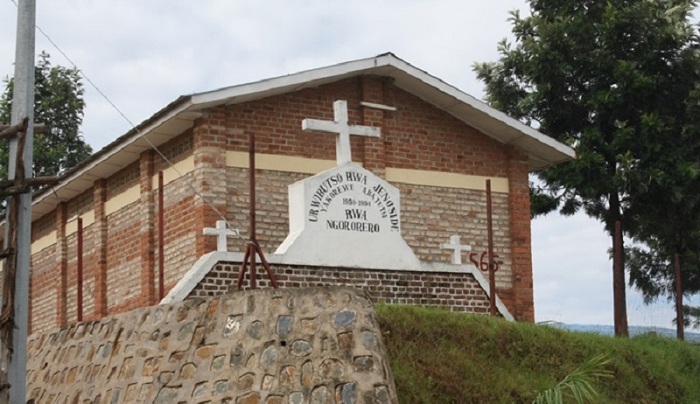
On June 8, 1994, the 64th day of the 100-day genocide against the Tutsi, violence continued across Rwanda as extremist militias sustained their extermination campaign, while the Rwandan Patriotic Front (RPF-Inkotanyi) advanced, liberating areas and rescuing survivors.
In regions still under the control of the genocidal regime, including parts of present-day Ngororero District, Interahamwe militias continued systematic killings of Tutsi civilians and extended their violence to mixed families and vulnerable children.
One of the most brutal incidents recorded in Kavumu involved the targeted killing of children born to Tutsi fathers and Hutu mothers. The area, historically affected by ethnic violence since 1959, had already seen widespread killings during the genocide, with victims massacred in homes, churches, and local administrative buildings.
Most of the Tutsi population in Kavumu was exterminated, and victims are buried at the Kavumu Genocide Memorial, where more than 24,000 remains rest, while others are still being identified for dignified burial.
Interahamwe and Impuzamugambi militias operated jointly across the former Ramba commune, particularly in Sovu and Bayi sectors, carrying out coordinated attacks under local leadership structures, with support reportedly drawn from neighboring areas.
In one documented episode on June 8, militias targeted 13 children fathered by Tutsi men and born to Hutu women. After killing their fathers and destroying their homes, the children were gathered and confined under guard, while their mothers were forced to watch helplessly.
On June 8, the militias returned and killed the children. Only one child is reported to have survived. Accounts describe extreme brutality, including victims being thrown into pits and buried while still alive.
Following the killings, the mothers were ordered to return to their homes.
On the same day, the United Nations Security Council adopted Resolution 925, extending the mandate of the United Nations Assistance Mission for Rwanda (UNAMIR) until December 1994, with the aim of supporting humanitarian operations and assisting displaced populations.
The events of June 8 remain part of the documented chronology of the genocide against the Tutsi, reflecting the continued escalation of organized violence during this period.