Mining activities have been identified as one of the main challenges undermining efforts to reintegrate out-of-school children in Kamonyi District, local authorities have said.
The Deputy Mayor in charge of Social Affairs, Uwiringira Marie Josée, said district leaders continue to confront persistent drivers of school dropouts—chief among them informal mining operations that attract children seeking quick income.
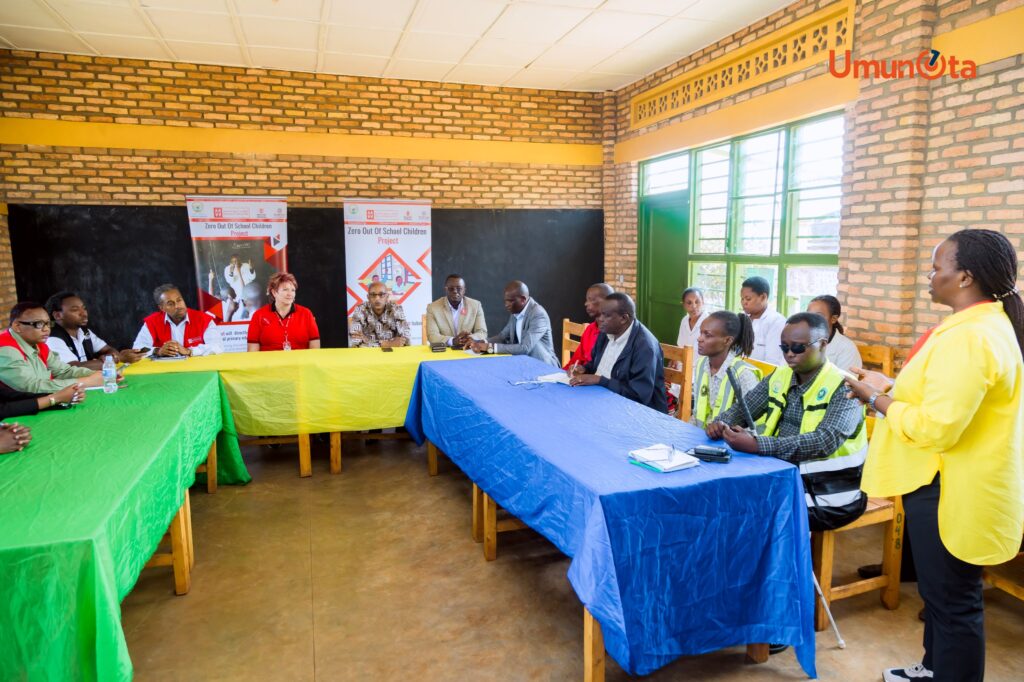
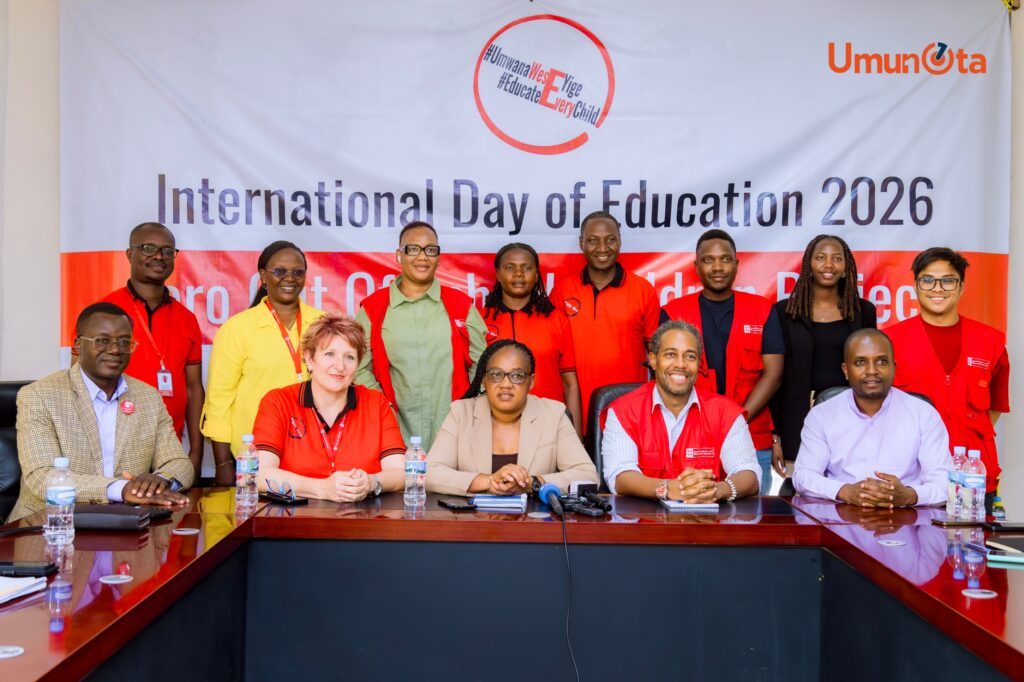
She made the remarks on January 21, 2026, during a monitoring visit by a delegation from Qatar’s Education Above All Foundation, which supports the Zero Out of School Children programme aimed at returning children who have dropped out to school. The delegation was assessing implementation progress in the district.
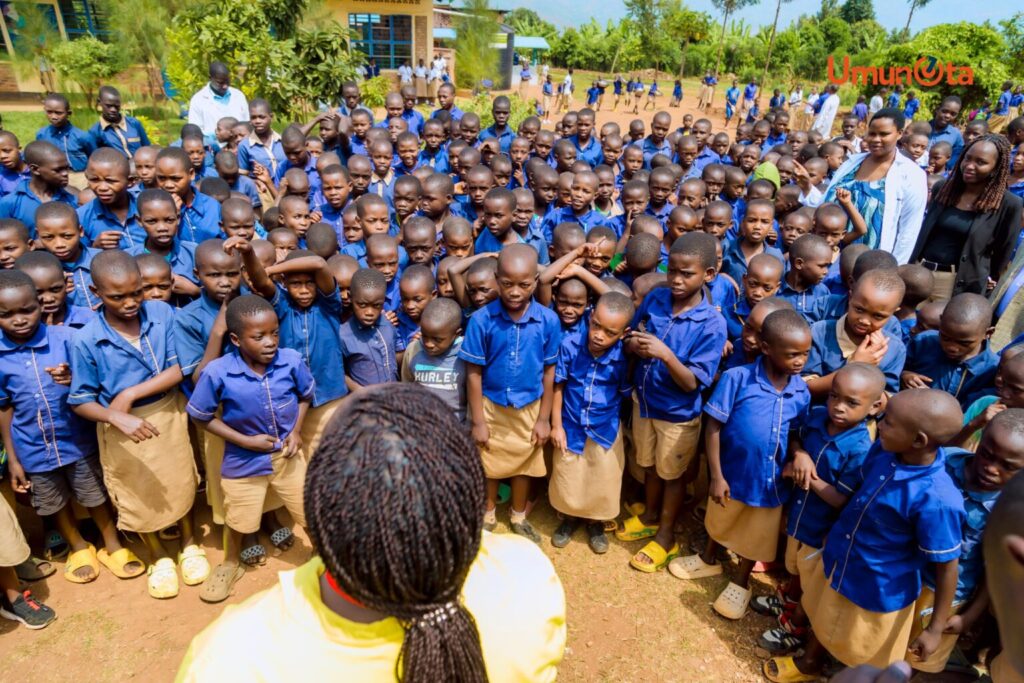
The visit was conducted alongside officials from the Ministry of Education and representatives of Save the Children, and included a tour of GS Kabuga Icyerekezo in Rukoma Sector. Discussions focused on the role of school leadership, parents and local authorities in keeping children in school.
While progress has been registered, district officials acknowledged that mining remains a powerful pull factor, especially in mining-prone areas.
“These challenges are more visible where mining activities are concentrated. Many children engage in illegal mining,” Uwiringira said.
“That is why we prioritise awareness campaigns, showing them that education also offers opportunities. With education, they can later pursue professional mining-related studies and earn far more than the small amounts they get now.” She added.
She said the district has established a multi-sectoral task force to combat child labour and address other root causes of school dropouts, including family instability, teenage pregnancies and chronic hunger.
“We are already seeing results, and there is hope that more children will return to school,” she added.
Hunger, she noted, remains a critical factor pushing children out of school, as some seek income simply to meet basic needs. To mitigate this, the district provides vulnerable learners with essential scholastic materials and school meals, including lunch.
In more severe cases, additional support has been introduced.
“We realised that lunch alone is sometimes not enough,” Uwiringira said. “A child may eat at school but return home to no meal in the evening. Working with schools, we arrange take-home food for children facing such challenges. This support helps ensure that children who return to school stay there.”
At GS Kabuga Icyerekezo, school officials reported that 38 out of 45 children who had previously dropped out have been successfully reintegrated.
District-wide, more than 5,000 children had been identified as out of school. Through coordinated efforts between government institutions and the Zero Out of School Children programme, more than 2,300 children have since returned to classrooms—though local leaders say sustained action is needed to address mining-related child labour and keep the remaining children in school.