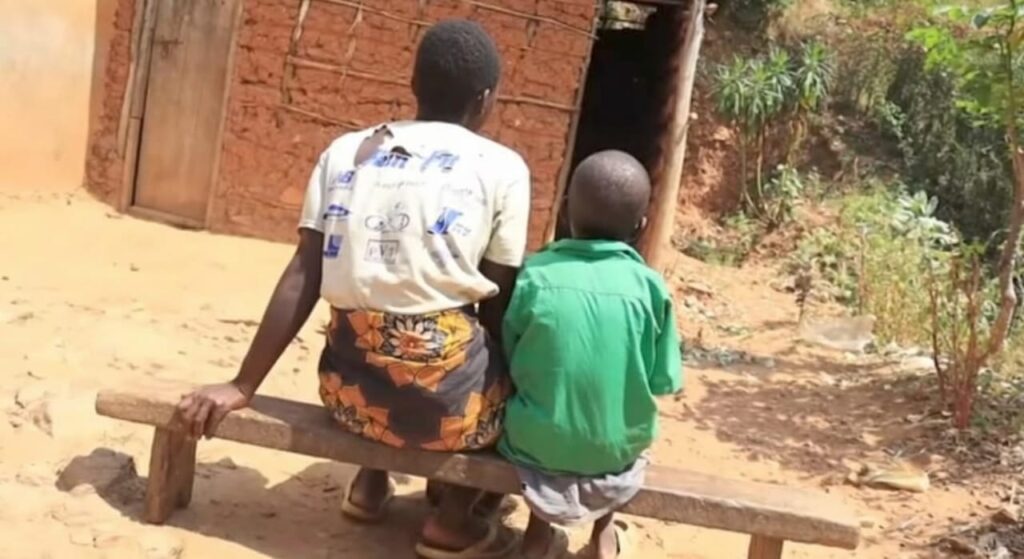
A young woman in Kamonyi District is seeking support after alleging that she was sexually abused by her biological father, a situation that resulted in the birth of two children and left her facing emotional and financial challenges.
The 23-year-old woman, who lives in Gihara Cell, Runda Sector, told local media that the abuse began when she was still a child and continued for years before the matter came to light.
According to her account, she remained silent after allegedly receiving threats from her father, which she said prevented her from reporting the abuse.
“I had both children with my father. He warned me not to tell anyone and threatened me if I revealed what had happened,” she said.
The woman said her two children, now aged nine and six, are in good health, but she struggles to provide for their basic needs, including education, healthcare and daily expenses.
Residents who spoke to local media described the case as deeply troubling and called for support to help the woman care for her children and recover from the trauma associated with the alleged abuse.
They said the matter remained hidden for a long time, with some community members suspecting something was wrong but lacking evidence until the survivor eventually spoke out.
The case has also raised concerns about the long-term impact of sexual abuse, including the emotional wellbeing of survivors and the complex family circumstances faced by children born from such abuse.
Authorities have reportedly arrested the man accused in the case, and he is currently detained at Muhanga Prison. However, the survivor and some residents said they were not aware of whether he has already appeared before court.
Under Rwanda’s laws, sexual abuse of a child is a serious offence that can be prosecuted even after many years. The penalties are more severe when the offence is committed by a parent, close relative, or someone entrusted with the child’s care.
The case underscores the importance of protecting children from abuse, encouraging timely reporting, and ensuring survivors have access to psychological, social and economic support.