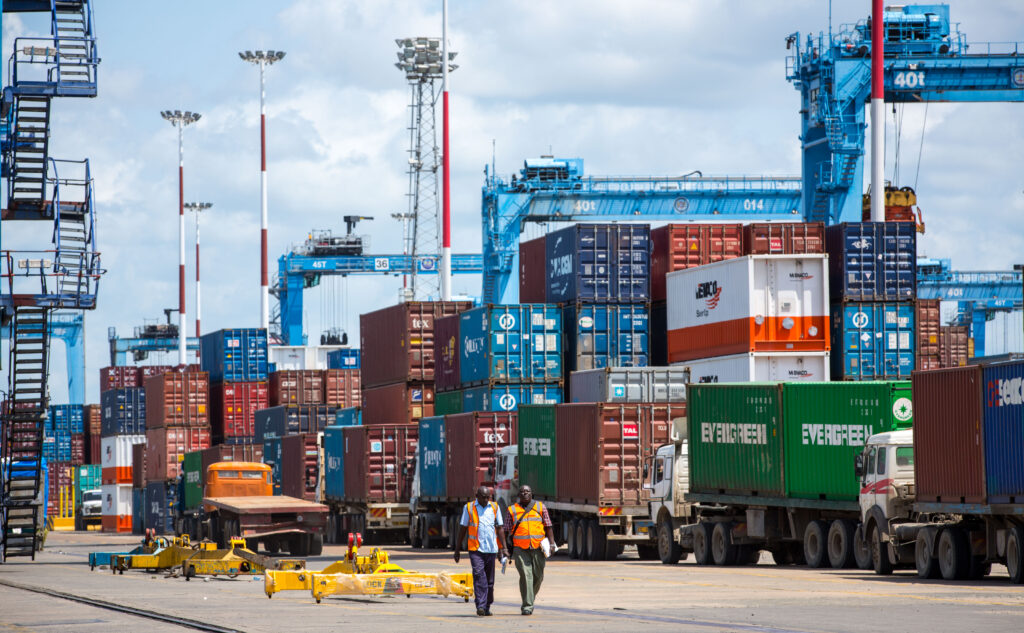
Kenya has approved Rwanda’s import of 52 million litres of petroleum products through the Port of Mombasa, a move expected to strengthen the country’s fuel supply and deepen economic cooperation between the two neighbours.
The approval was announced following a meeting of Kenya’s Cabinet, which endorsed the arrangement as part of ongoing efforts to boost regional trade and support landlocked countries’ access to critical imports.
Speaking on July 27, Kenya’s Prime Cabinet Secretary and Cabinet Secretary for Foreign and Diaspora Affairs, Musalia Mudavadi, said Kenya remains committed to facilitating Rwanda’s access to petroleum products through the Port of Mombasa.
Rwanda’s Minister of Foreign Affairs and International Cooperation, Ambassador Olivier Nduhungirehe, said the shipment would provide the country with enough fuel to meet demand for about one month.
“The 52 million litres will cover approximately one month’s consumption. It will be of great help to us,” he said.
The development follows an agreement signed by Rwanda and Kenya in June 2026 to facilitate the import of refined petroleum products through Mombasa, offering Rwanda an additional supply route for fuel.
Kenya’s Cabinet Secretary for Energy and Petroleum, Opiyo Wandayi, said the partnership represents more than a logistics arrangement, describing it as an important step toward strengthening economic ties between the two countries and enhancing regional cooperation.
The first shipment is expected to arrive at the Port of Mombasa between September 4 and 6 before being transported by road to Rwanda.
The agreement forms part of Rwanda’s broader strategy to diversify fuel import routes and improve energy security. The country has also signed a separate agreement with Tanzania to import 40,000 tonnes of petroleum products through the Port of Tanga.
Most of Rwanda’s fuel imports currently enter the country through the ports of Mombasa and Dar es Salaam before being transported inland by road. According to available data, about 40 percent of the fuel supplied to East Africa originates from India, while Saudi Arabia accounts for approximately 37 percent.
By expanding access to multiple import corridors, Rwanda aims to ensure a more reliable and sustainable supply of petroleum products while reducing the risk of disruptions to the domestic fuel market.