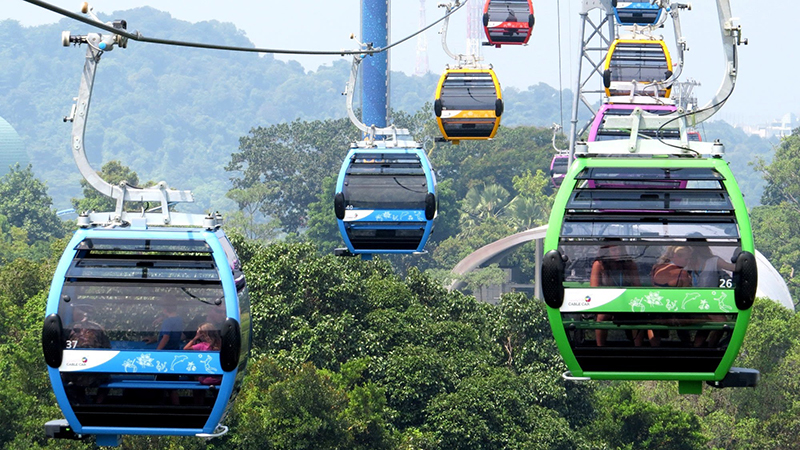
Kigali, January 22, 2026 — The City of Kigali is studying the introduction of a cable car transport system as part of broader efforts to tackle traffic congestion and promote low-carbon urban mobility.
City authorities confirmed that feasibility studies are underway and will inform whether the project proceeds to implementation. The proposed system would offer an alternative to road transport, easing pressure on congested corridors while reducing vehicle emissions.
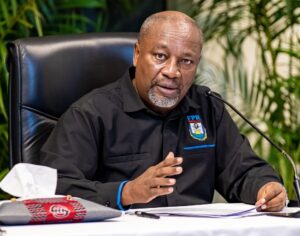
Speaking to journalists on January 21, Kigali City Mayor Samuel Dusengiyumva said the initiative is being developed by the Government of Rwanda and remains at the assessment stage.
“Studies on the cable car project are ongoing. Once they are completed, the public will be informed. It is a government-led project designed to provide an alternative transport option and make movement across the city easier,” Dusengiyumva said, adding that the system would also help cut air pollution.
The feasibility work is being conducted by Ropeways Transit Rwanda Limited (RTRL), which has assembled a multidisciplinary team to evaluate technical, financial and environmental viability. RTRL says construction would be undertaken by Doppelmayr, an Austrian firm with global experience in aerial ropeway systems.
In June last year, the African Development Bank approved a US$500,000 grant to support a pilot feasibility study, covering demand analysis, route design and implementation options. Officials say the study will determine whether the project can proceed at scale.
If approved, Rwanda would become the first African country to deploy cable cars as a public urban transport mode.
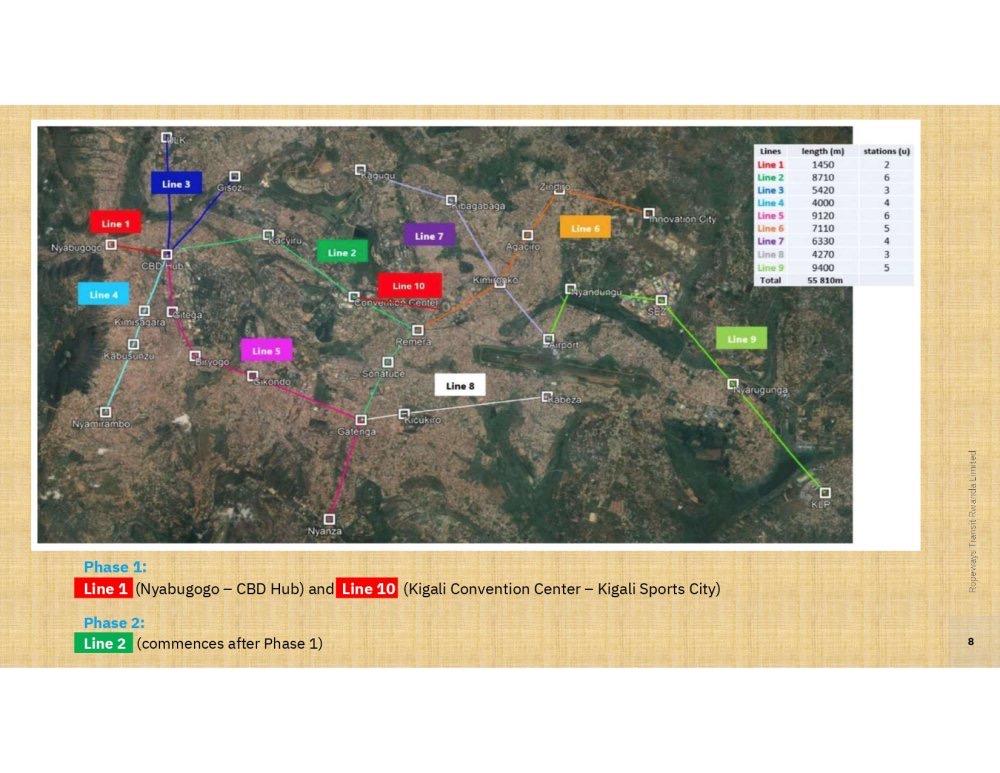
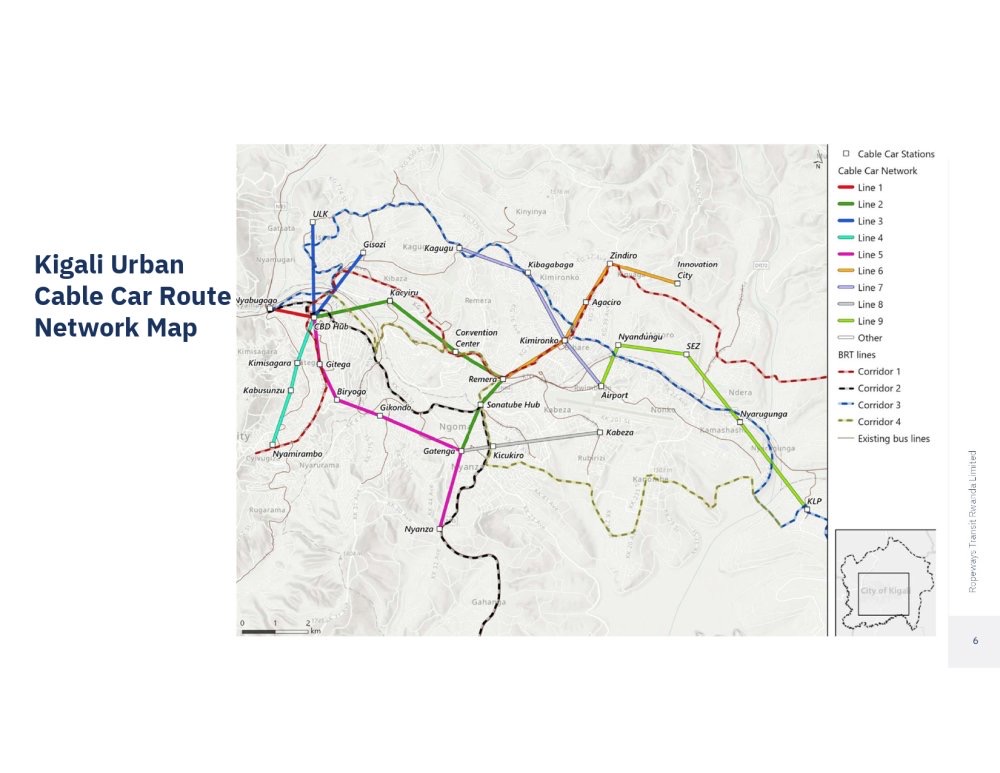
The initial phase proposes a 5.5-kilometre network with an estimated cost of about US$100 million, expected to reduce congestion and greenhouse-gas emissions while improving access to jobs and essential services—particularly for residents in hard-to-reach areas.
Plans for the first phase include two routes: one connecting Nyabugogo Bus Terminal to the central business district, and another linking the Kigali Convention Centre to Remera, a key sports and events hub that hosts Stade Amahoro and BK Arena.
Construction of the first phase is tentatively scheduled to begin toward the end of 2026 and conclude in 2028. Once operational, the system is projected to carry more than 50,000 passengers daily, with average trips lasting about 15 minutes.
Officials say the completed studies could unlock international investment. Rwanda is benchmarking the proposal against established cable car networks in La Paz and Singapore.
Former AfDB president Akinwumi Adesina has previously described the initiative as aligned with the bank’s strategy on sustainable development and climate-friendly urban infrastructure.
Meanwhile, RTRL Chief Executive Muyiwa Omololu said discussions are ongoing with potential investors, including Nigerian industrialist Aliko Dangote, to support implementation should the project receive final approval.