May 24, 1994 marked the 48th day of the 100-day Genocide against the Tutsi and the 144th day of the year, as the genocidal government continued implementing its campaign to exterminate Tutsis across different parts of Rwanda.
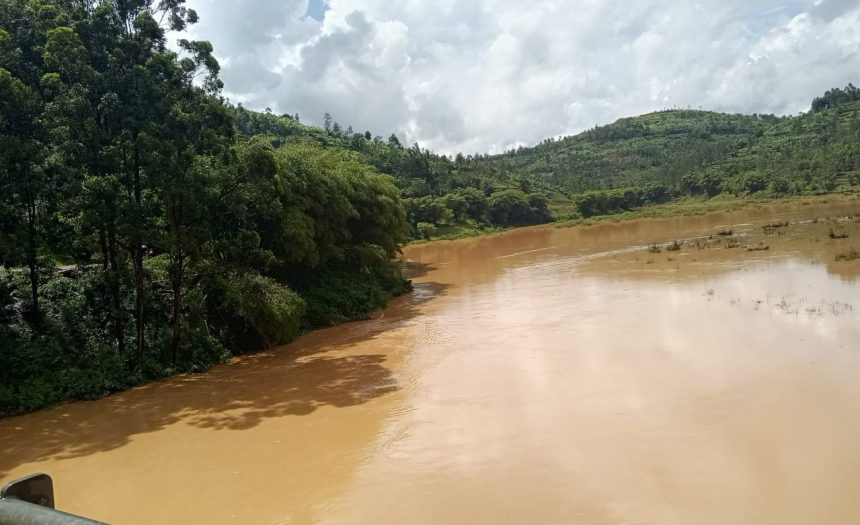
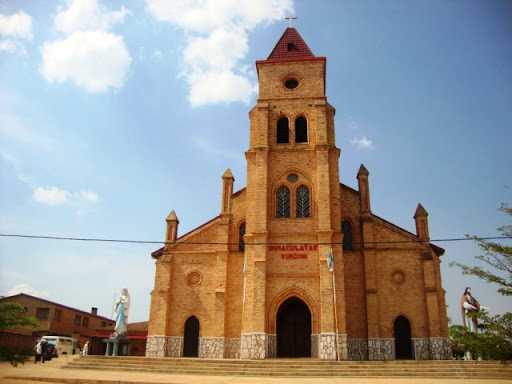
On this day in Kabgayi, in southern Rwanda, Interahamwe militias attacked Tutsis who had sought refuge in church compounds, forcibly removing them and taking them to Nyabarongo River where they were massacred. Some victims were reportedly thrown into the river while still alive.
The final days of May 1994 were characterized by intensified military operations by the RPF-Inkotanyi aimed at accelerating efforts to stop the genocide against the Tutsi.
At the same time, the genocidal government was also increasing pressure on local authorities and militias to speed up the killings of Tutsis who were still hiding in areas not yet liberated by RPF-Inkotanyi forces, particularly in southern Rwanda.
Although the genocide started later in some parts of southern Rwanda compared to other regions, the interim government led by Théodore Sindikubwabo later mobilized Hutu civilians and local leaders to intensify the massacres against Tutsis.
In Kabgayi, many Tutsis who had taken shelter in church buildings and nearby facilities were rounded up by Interahamwe militias before being transported to Nyabarongo River, where they were brutally killed.
On May 24, 1994, Radio France Internationale (RFI) reported that Amnesty International had condemned the killings being carried out by the former Rwandan government forces and the interim government.
The Genocide against the Tutsi continued while the international community largely failed to take decisive action. At the United Nations, debates persisted over whether the massacres should officially be recognized as genocide, even as thousands of Tutsis continued to be slaughtered across Rwanda.