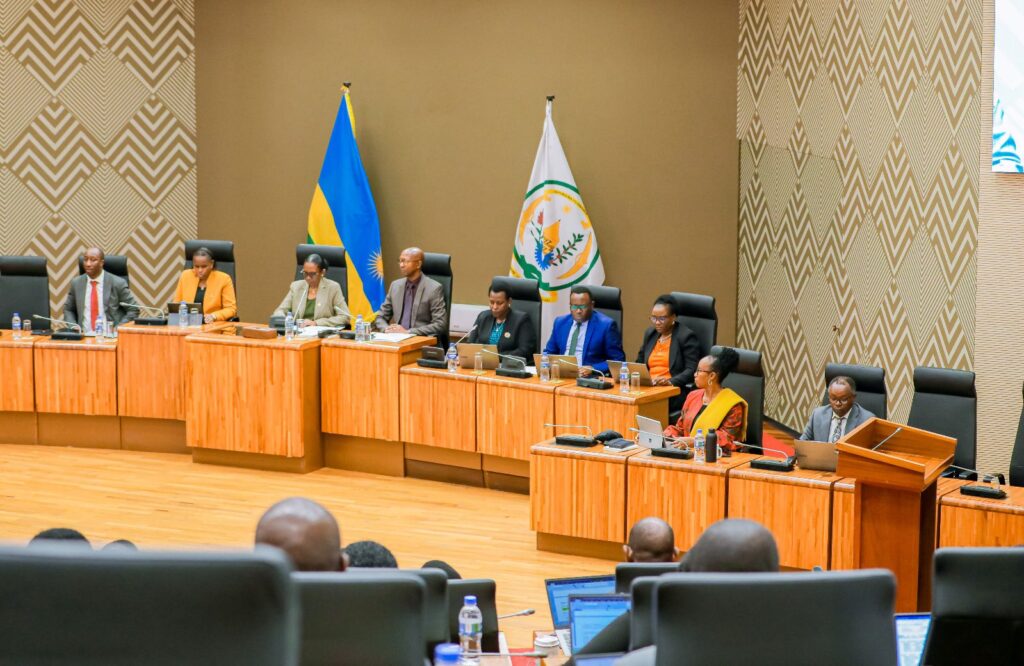
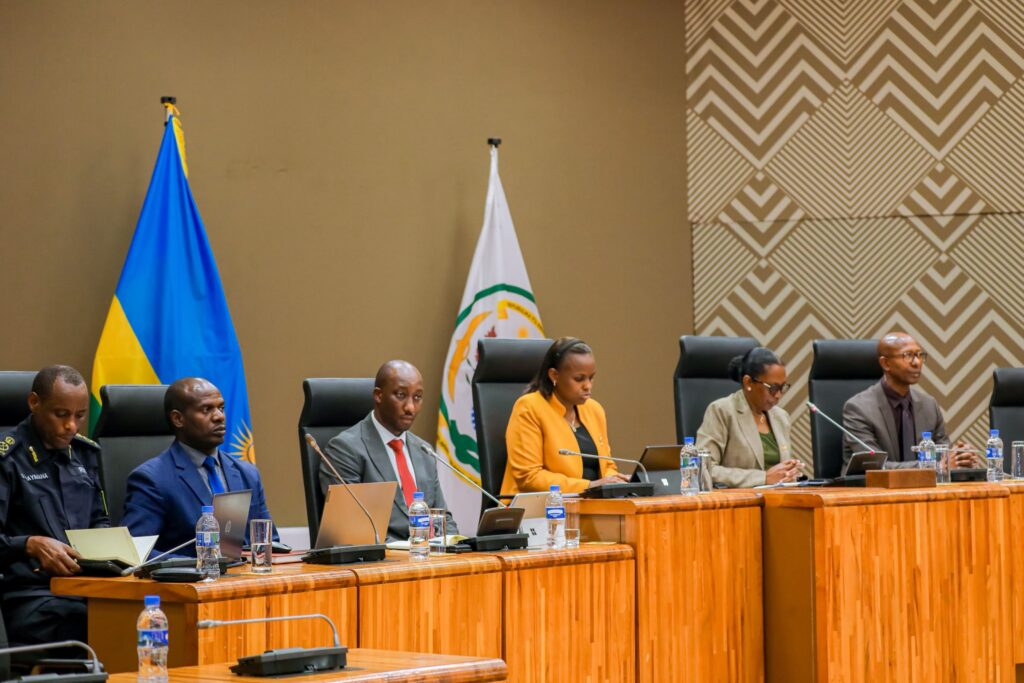
MP Germaine Mukabalisa has questioned the rationale behind impounding vehicles solely because they have not yet been transferred into the buyer’s name, saying such a measure is unjustified.
She raised the concern on Monday, January 5, 2026, during a plenary session of the Chamber of Deputies as lawmakers debated and approved the draft law governing road use—particularly provisions outlining grounds for vehicle seizure.
In her submission, Mukabalisa expressed concern that seizing a vehicle for lack of ownership transfer infringes on citizens’ property rights.
“You cannot encourage people to comply with the requirement to register a vehicle while at the same time depriving them of their property rights,” she said.
“A person owns their property, has committed no offence, and is not in tax arrears, as was cited in examples. So why stop and impound their vehicle simply because they have not completed the transfer?” she added.
She added that where an offence has been committed, there are established legal mechanisms to ensure compliance.
“But to immobilise and impound a vehicle simply because ownership has not yet been transferred from one name to another amounts to an excessive use of road authority,” she argued.
Mukabalisa further drew comparisons with other forms of property.
“In ordinary assets, we do not seize people’s houses or land because they have not completed a mutation or ownership transfer. This looks like an unnecessary deployment of state power,” she said.
Responding to the concerns, Minister of Infrastructure Dr Jimmy Gasore defended the provision, arguing that impounding vehicles whose ownership has not been formally transferred is necessary for public safety and crime prevention.
“Vehicles are sometimes misused, leading to loss of life or being employed in criminal activities,” he said.
“In cases of theft or murder, you may find a vehicle has passed through eight or ten different hands, making it difficult to determine responsibility or trace its use. When a vehicle is used in a serious crime, the question becomes who do we hold accountable?” He questioned.
Dr Gasore stressed that the issue goes beyond individual commercial interests. “This is no longer about private transactions; it is a public safety matter that directly affects citizens,” he said.
He acknowledged that the law allows a person to register and operate a vehicle that is not registered in their name, noting that this practice will remain permitted. However, he said challenges persist where vehicles are repeatedly used in criminal acts and authorities are unable to identify responsible parties.
“The intention of this provision is not to interfere in people’s business, but to address real security concerns,” he added, noting that it would give police greater latitude in dealing with vehicles involved in crimes such as theft and violent offences.
Until now, Rwanda has been operating under Law No. 34/1987 of September 17, 1987, which is being revised to align with current realities.
The new road-use law was passed on January 5, 2026, with all 77 deputies present voting in favour after a full day of clause-by-clause examination and debate.