Members of Rwanda’s Parliament have raised concerns over the growing gap between the cost of agricultural production and the prices farmers receive for their produce, warning that the imbalance is eroding farmers’ incomes and undermining incentives to invest in agriculture.
The concerns emerged during discussions with the Ministry of Agriculture and Animal Resources (MINAGRI) after lawmakers presented findings from a nationwide oversight mission before the Chamber of Deputies’ plenary session.
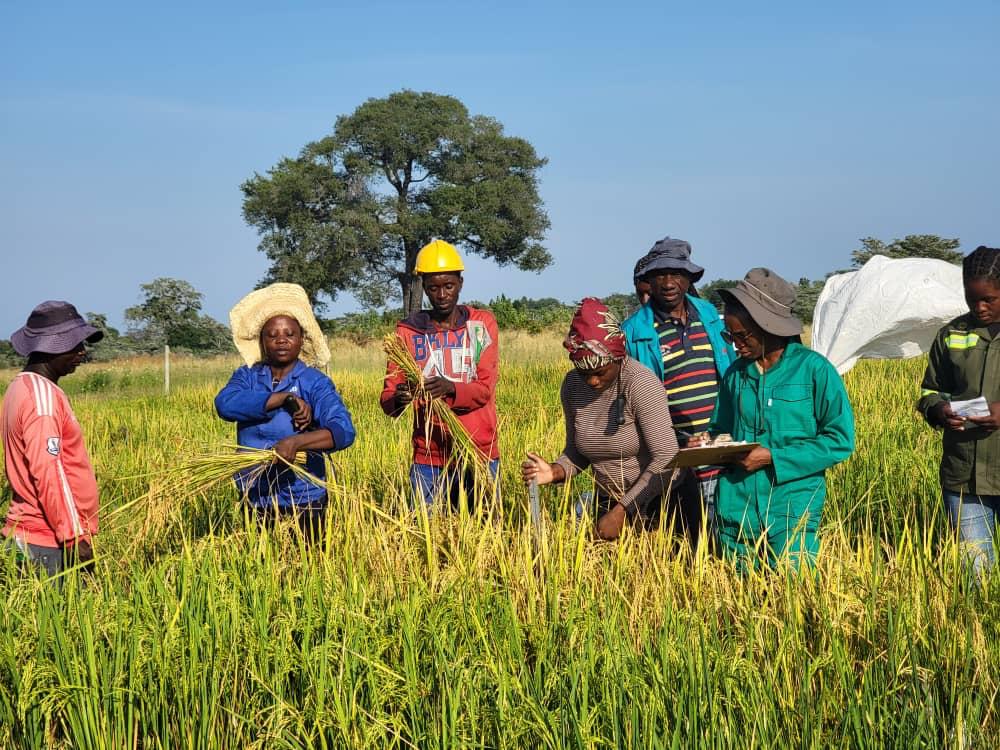
MP Jean Claude Ntezimana said rice farmers told lawmakers that production costs have risen well above the prices they earn from selling their harvests, leaving many struggling to break even.
“Rice farmers told us that the cost of production is significantly higher than the prices they receive on the market. At the same time, they buy consumer goods at prices that are up to three times higher than what they earn from selling their produce,” he said.
Ntezimana warned that the situation is discouraging farmers from continuing agricultural production, with potential consequences for national food security and the wider economy.
MP Marie Thérèse Uwizeye also questioned why agricultural output continues to fluctuate despite the government’s growing investment in the sector.
She called for a thorough assessment of the factors limiting productivity to ensure that increased public spending delivers measurable improvements in agricultural production.
“We need to understand why agricultural output is not keeping pace with increased investment, identify the underlying challenges early, and address them before allocating even more resources. Agriculture is one of the pillars of our economy, and budget increases should be reflected in stronger and more stable production,” she said.
The agriculture and livestock budget for the 2025/26 fiscal year was revised upward from Rwf222.3 billion to Rwf236.3 billion to strengthen programmes aimed at boosting food production.
For the 2026/27 fiscal year, the sector’s budget increased by more than Rwf133 billion to Rwf355 billion.
Minister of Finance and Economic Planning Yusuf Murangwa has said that, when all government programmes supporting agriculture and livestock are taken into account, the sector receives more than 10 percent of the national budget.
According to the government, the increased funding is intended to offset rising fertiliser prices, expand subsidies for agricultural inputs, strengthen food security and support economic growth.
Lawmakers also sought explanations from MINAGRI on the factors affecting agricultural productivity and from the Ministry of Trade and Industry (MINICOM) on efforts to improve value addition and secure better markets for farmers.
In response, MINAGRI said the most effective way to lower farmers’ production costs is by increasing productivity, noting that expensive seeds and fertilisers do not always translate into higher yields because of increasingly unpredictable weather conditions.
The ministry added that without the government’s fertiliser subsidy programme—which currently covers between 30 percent and 45 percent of the cost of fertilisers such as DAP, Urea and NPK—farmers’ production costs would be nearly twice as high.
MINAGRI and MINICOM also argued that one of the biggest challenges lies beyond production itself. They said middlemen often purchase produce at very low prices or hoard it before reselling it at significantly higher prices, leaving farmers with only a small share of the final value.
To help address the problem, MINAGRI said it is investing, in partnership with development partners, in modern aggregation centres and cold-chain infrastructure. The facilities are expected to reduce post-harvest losses and give farmers greater bargaining power by allowing them to store their produce instead of selling it immediately at distressed prices.