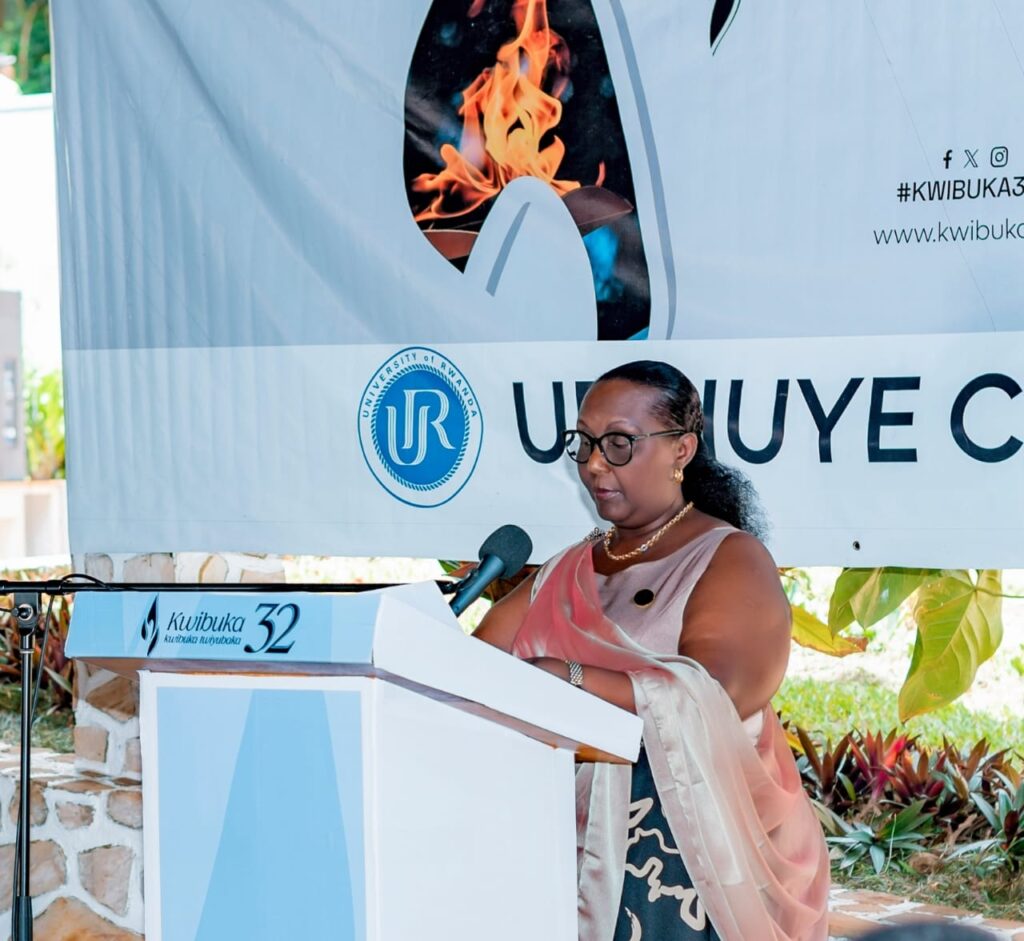
Chief Justice Domitilla Mukantaganzwa has warned that knowledge without strong moral values can lead to grave consequences, calling on Rwandans, particularly the youth, to uphold humanity alongside education.
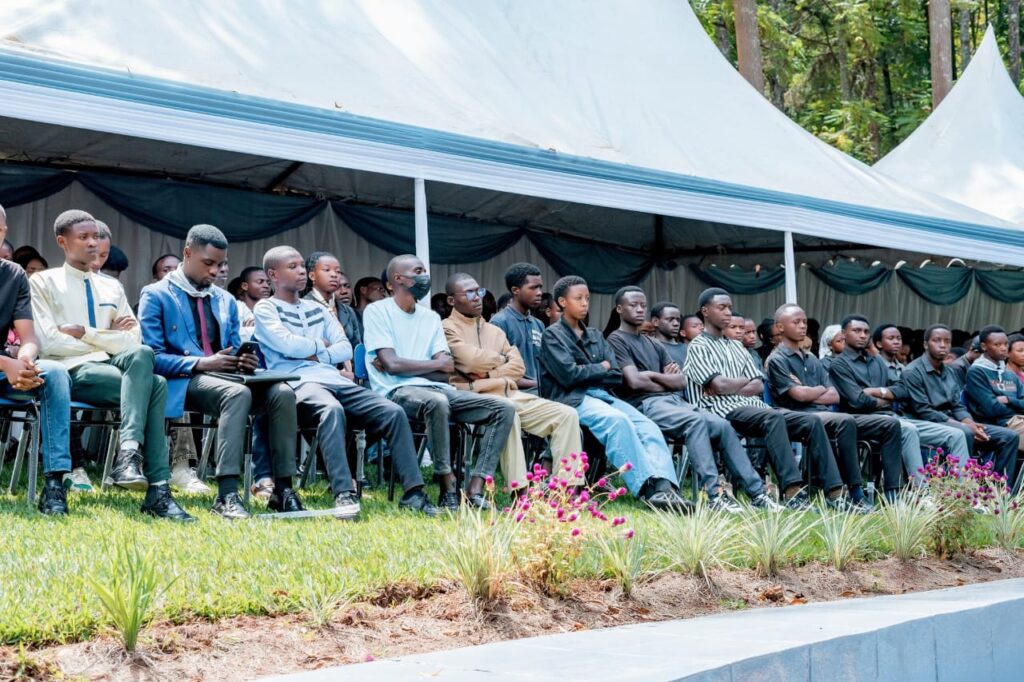
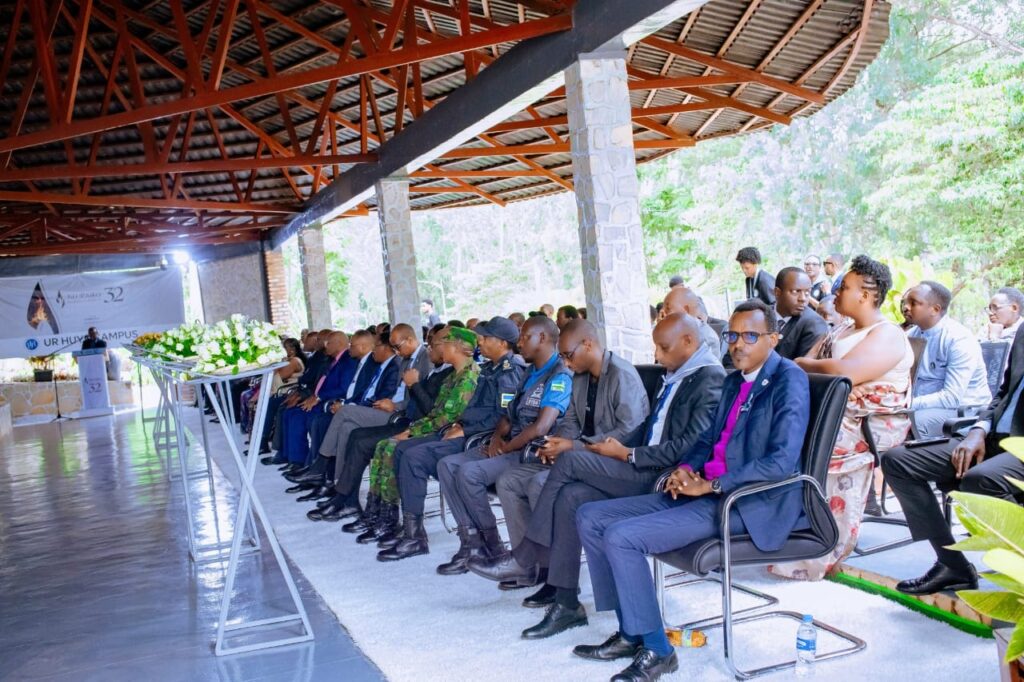
She made the remarks on Wednesday during the 32nd commemoration of the 1994 Genocide against the Tutsi held at the University of Rwanda, Huye campus, where students, lecturers, staff and families of victims gathered to honour those who were killed at the former National University of Rwanda.
Mukantaganzwa noted that many of those who planned and executed the genocide were considered educated, with several having studied at the institution, which had originally been established to serve as a beacon of knowledge for the nation.
She explained that the killing of Tutsi students and staff by their peers was rooted in a long history of discrimination and division embedded in Rwanda’s governance prior to 1994.
She recalled that from 1990, Tutsi students and lecturers were repeatedly targeted and accused of collaborating with the RPF, a trend that later escalated into the genocide that claimed over a million lives.
Mukantaganzwa stressed that commemoration should serve as a moment of reflection on the kind of citizen Rwanda seeks to build, warning that intellectual capacity without ethical grounding can be misused.
“Education must go hand in hand with humanity and values. Without them, knowledge can be used to destroy, as was seen in 1994,” she said.
She urged university students to play an active role in building a united and inclusive Rwanda, noting that the country’s recovery has been anchored on unity and reconciliation.
Mukantaganzwa also called for strengthened research and documentation to counter genocide denial and distortion, urging the University of Rwanda to take a leading role in preserving accurate history.
At the Huye memorial site, remains of 563 victims including students, lecturers and staff are laid to rest, with 429 identified by name.