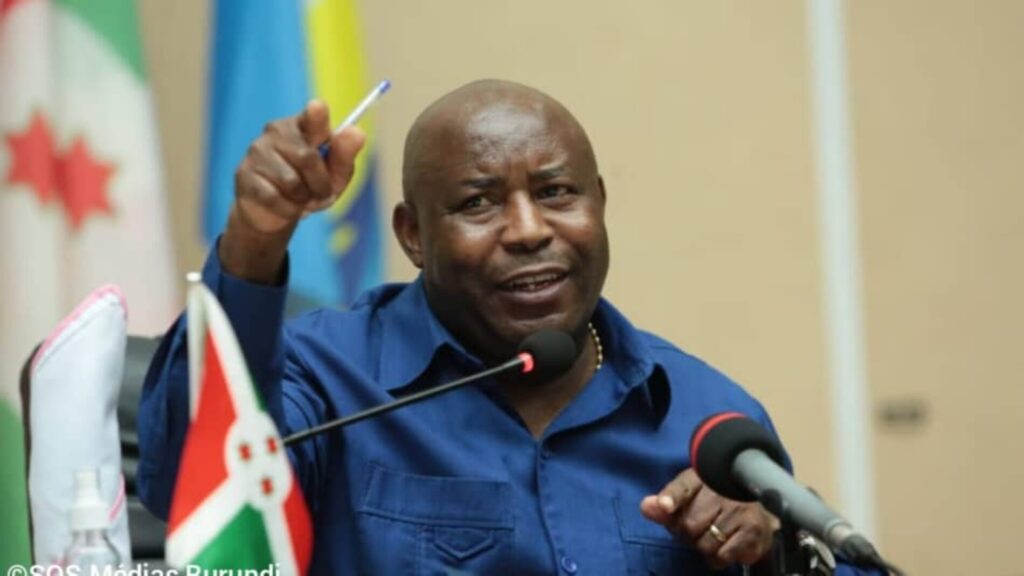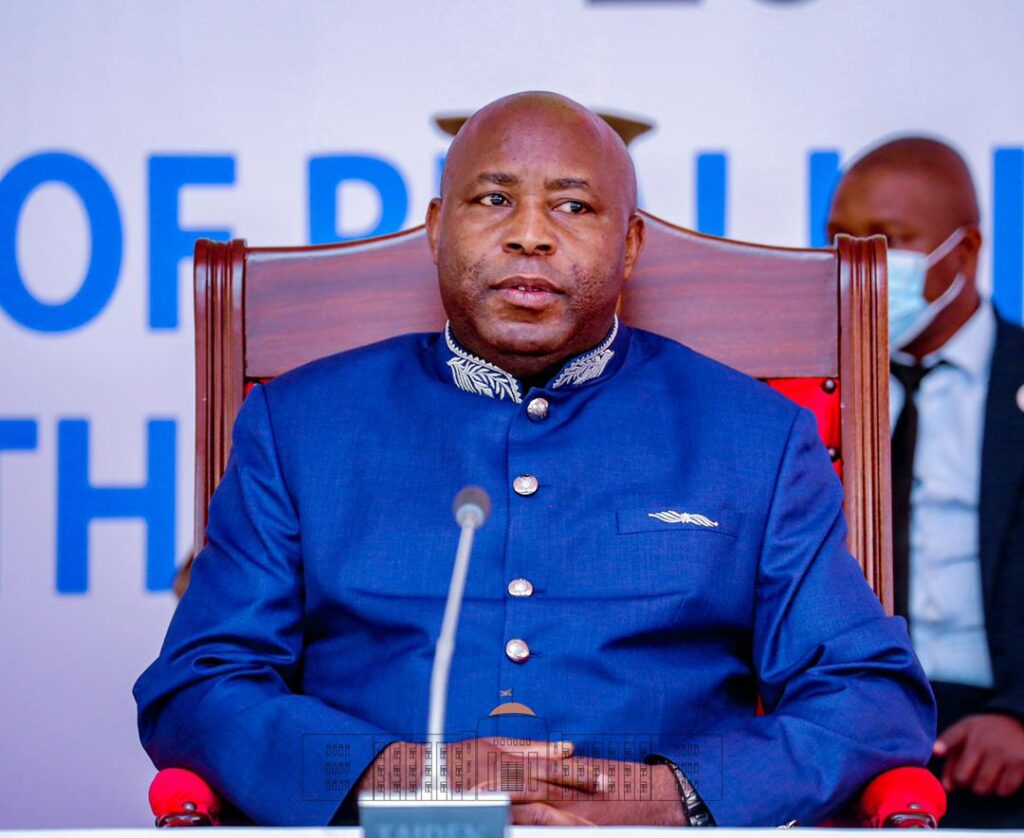
Repeated hostile statements by Burundi’s President Évariste Ndayishimiye toward Rwanda continue to undermine ongoing efforts to normalize relations between the two neighbouring countries.
Since diplomatic ties began to deteriorate, President Ndayishimiye has on several occasions accused Rwanda of plotting attacks against Burundi, alleging links with armed groups such as RED-Tabara, which opposes his government. Rwanda has consistently rejected the accusations, describing them as unfounded and without evidence.
Burundian officials, including the president, have also told international media that Burundi possesses intelligence suggesting Rwanda intends to destabilize the country. In early 2024, these tensions culminated in Burundi closing all land borders with Rwanda.
Rwanda has acknowledged that dialogue initiatives have taken place since the border closures, involving diplomatic, military and intelligence channels from both sides. However, Kigali maintains that progress has repeatedly been derailed by inflammatory rhetoric and threats attributed to President Ndayishimiye, which it says have reversed gains made through dialogue.
During recent addresses to security institutions, the Burundian leader again blamed Rwanda for the strained relations and regional insecurity. Rwandan officials counter that such claims overlook Burundi’s own security posture, including alleged cooperation with the FDLR, a group linked to perpetrators of the 1994 Genocide against the Tutsi.
Border closures used as leverage
Burundi formally closed its land borders with Rwanda on January 11, 2024, following earlier signals by President Ndayishimiye in his end-of-year address in 2023. Since then, relations have further deteriorated, with Burundian leadership issuing statements interpreted by Kigali as threats of military confrontation.
Rwanda says these statements have stalled all reconciliation efforts, including discussions aimed at de-escalating tensions along the shared border.
Rwanda’s Minister of Foreign Affairs and International Cooperation, Ambassador Olivier Nduhungirehe, has previously described such remarks as regrettable, particularly at a time when defence and intelligence officials from both countries had agreed to pursue de-escalation through dialogue.
Military and intelligence delegations from Rwanda and Burundi have held several meetings in both countries to address cross-border security concerns, but tangible outcomes remain limited.
Shifting conditions and unresolved demands
Rwandan authorities argue that whenever talks show signs of progress, Burundi introduces new conditions that delay normalization. Kigali points to repeated demands by Bujumbura for the handover of Burundian asylum seekers accused of involvement in the failed 2015 coup against former president Pierre Nkurunziza.
Burundi has maintained that reopening the borders is contingent on Rwanda handing over these individuals. Rwanda, however, says the matter falls under the mandate of the United Nations High Commissioner for Refugees (UNHCR), not the Rwandan government.
Rwanda has further stated that any transfer of such individuals would require a third-party guarantee for their safety, stressing that it cannot forcibly return refugees without internationally recognized assurances.
As diplomatic tensions persist, the continued exchange of hostile rhetoric remains a major obstacle to rebuilding trust and restoring normal relations between Rwanda and Burundi.