The National Agricultural Export Development Board (NAEB) has announced that the Project for Support to Agricultural Competitiveness (PSAC) has generated more than Rwf 2 billion in income for youth and women engaged in export-oriented agriculture.
The announcement was made on April 30, 2026, during the presentation of the 2026 progress report outlining the project’s impact on smallholder farmers, particularly young people and women involved in the production of export crops.
NAEB said the PSAC initiative has strengthened agricultural productivity through the provision of quality inputs, financial support, training, and improved market access for beneficiaries across participating districts.
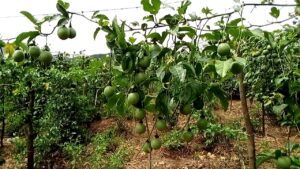
Under the project, more than 12 million improved seedlings of coffee, tea, fruits, and vegetables have been distributed, significantly boosting production capacity among farmers.
In addition, over 34,000 tonnes of organic fertilizer worth more than Rwf 2 billion have been supplied to support soil fertility and enhance yields.
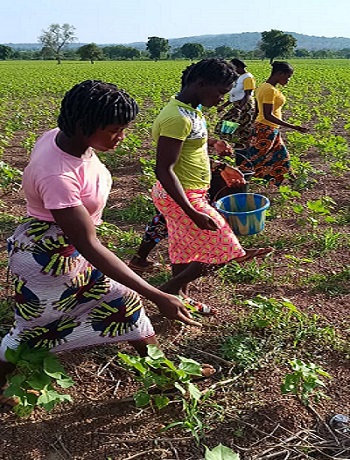
The project has also created employment opportunities for about 4,500 youth and women engaged in seed multiplication, nursery management, and crop processing activities.
NAEB further highlighted investments of over Rwf 60 million in tea cooperatives, including the provision of 11 weighing machines and three data management systems aimed at improving efficiency, accountability, and traceability in production and trade.
The PSAC project is being implemented in 14 districts selected based on poverty levels, agricultural potential, and suitability for export-oriented crops.
These include Nyamasheke, Rutsiro, Karongi, Nyabihu and Rusizi in the Western Province; Huye, Nyaruguru, Nyamagabe, Ruhango and Nyanza in the Southern Province; Rulindo and Musanze in the Northern Province; and Rwamagana and Bugesera in the Eastern Province.