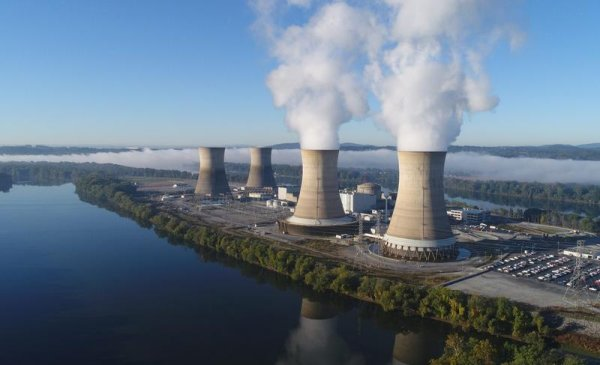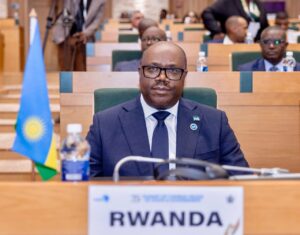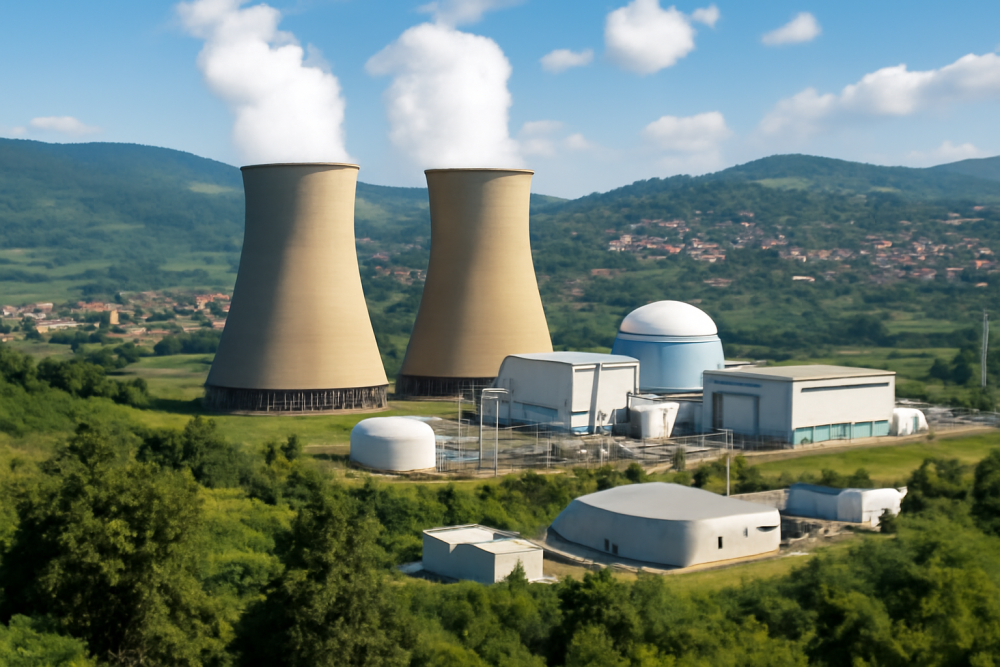
Rwanda is moving forward with its long-term plan to explore nuclear energy as part of efforts to expand electricity generation capacity, support industrialization, and strengthen national energy security.
The initiative comes as countries across the world accelerate the shift toward low-carbon and reliable energy sources in response to climate change. In Africa, nuclear power remains limited, with only South Africa currently operating nuclear facilities on the continent.
Rwanda’s energy strategy is being shaped by a widening supply-demand gap, with current installed capacity estimated at about 406 megawatts, while national demand is projected to exceed 5,000 megawatts in the coming decades.
Against this backdrop, the country is targeting up to 1.5 gigawatts of nuclear-generated electricity by 2050, as part of its long-term energy diversification plan.
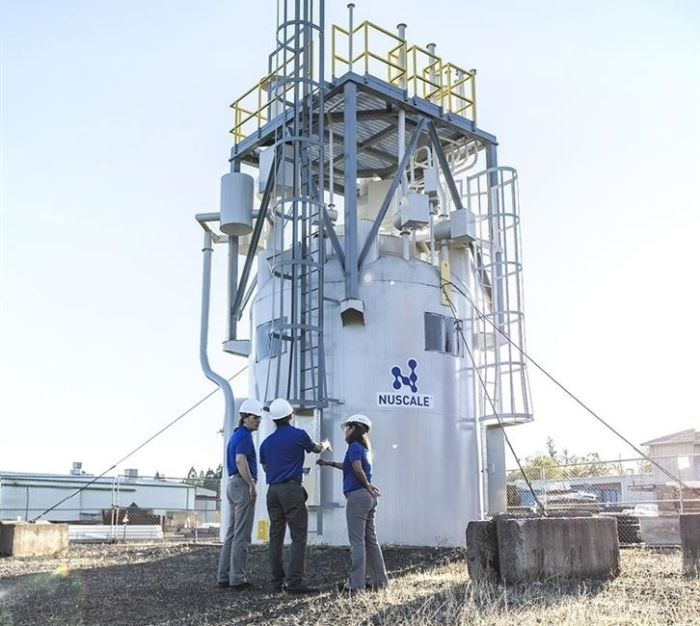
Small Modular Reactors take centre stage
Officials say Rwanda is prioritizing Small Modular Reactors (SMRs) as the most viable option, given land constraints and safety requirements associated with conventional nuclear plants.
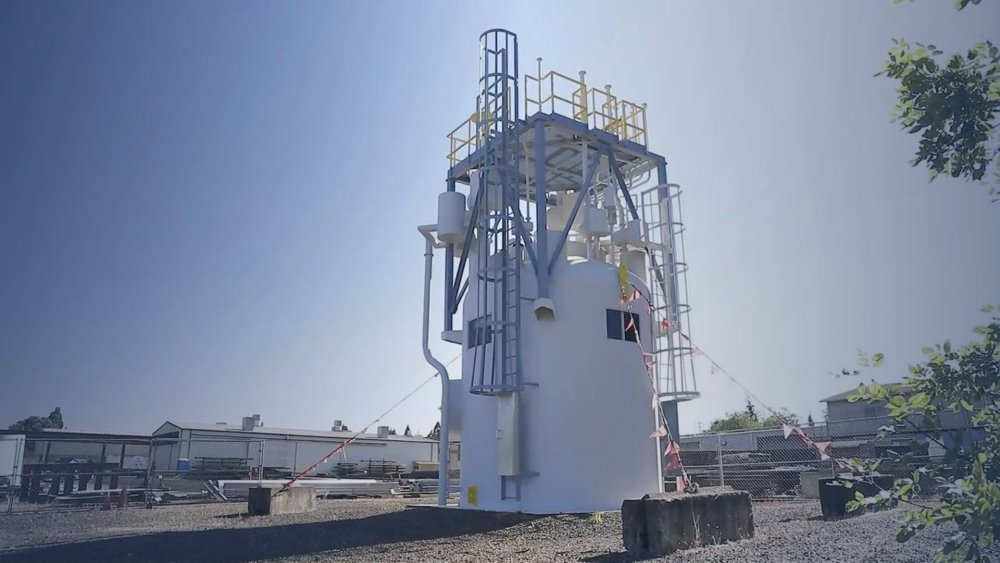
SMRs are compact nuclear systems designed to be deployed in phases, offering greater flexibility, enhanced safety features, and reduced land requirements compared to traditional large-scale reactors.
Nuclear installations typically require strict safety exclusion zones extending several kilometres from populated areas, a factor that has influenced Rwanda’s preference for modular technology.
Holtec International has been among the partners engaged in discussions with Rwanda on SMR deployment, with early estimates suggesting a site requirement of around 16 hectares.
Planned configurations include multiple modules, each capable of producing around 200 megawatts, with four units potentially generating up to 600 megawatts in an initial phase.
Partnerships and technical groundwork
Rwanda began formal engagement on nuclear development in 2018 through cooperation with Russia focused on research and capacity building.
In 2024, the country signed a partnership with Nano Nuclear Energy Inc to explore advanced nuclear technologies and strengthen technical expertise.
These partnerships form part of broader efforts to build institutional readiness, regulatory capacity, and human capital required for future deployment.
Investment outlook and human capacity needs
Preliminary estimates suggest nuclear generation could cost around US$4 million per megawatt, implying multi-billion-dollar investment requirements depending on final project scale.
A fully operational nuclear module typically requires 220 to 250 highly skilled personnel across operations, engineering, and safety management. Rwanda has already begun preparing human capital, including the selection of students for advanced training in nuclear-related disciplines abroad.
From planning to next phase
The nuclear programme has moved beyond early conceptual discussions into structured feasibility and partnership engagement phases.
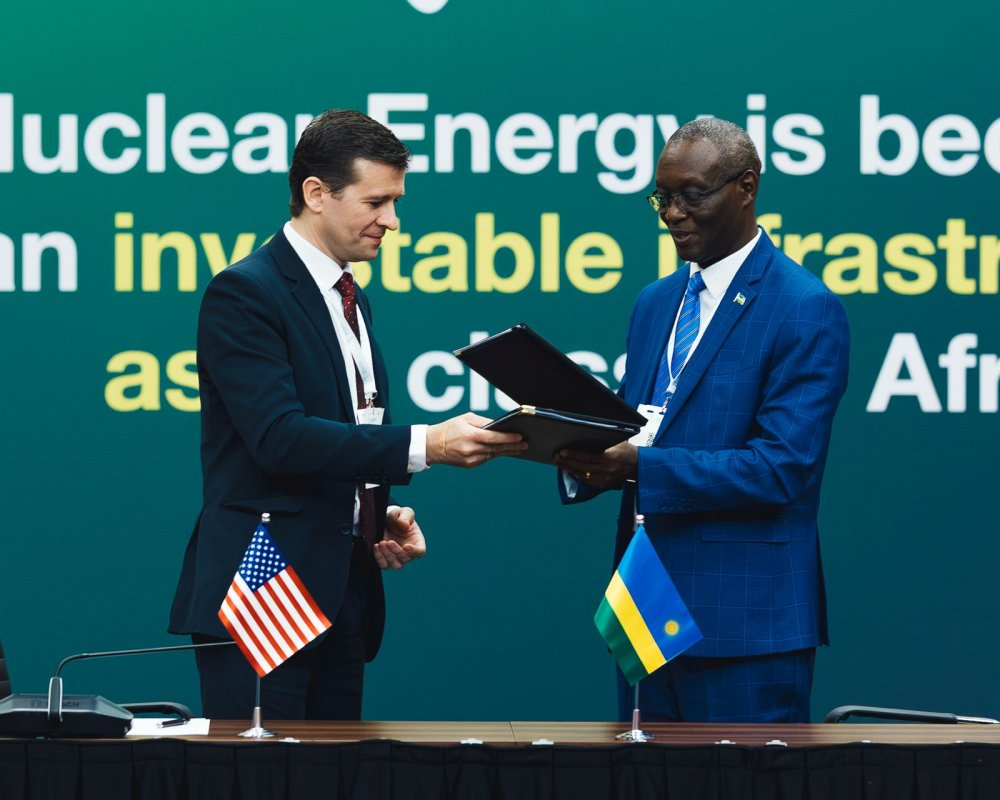
At a recent nuclear energy forum in Kigali, President Paul Kagame received an international assessment report indicating Rwanda’s readiness to progress toward more advanced stages of nuclear infrastructure planning.
Authorities say the focus now is on detailed feasibility studies, regulatory frameworks, safety systems, and long-term financing arrangements before any construction decisions are made.
If implemented, the project would position Rwanda among a small group of countries globally exploring nuclear energy as part of a broader strategy to secure sustainable, high-capacity power for future development.