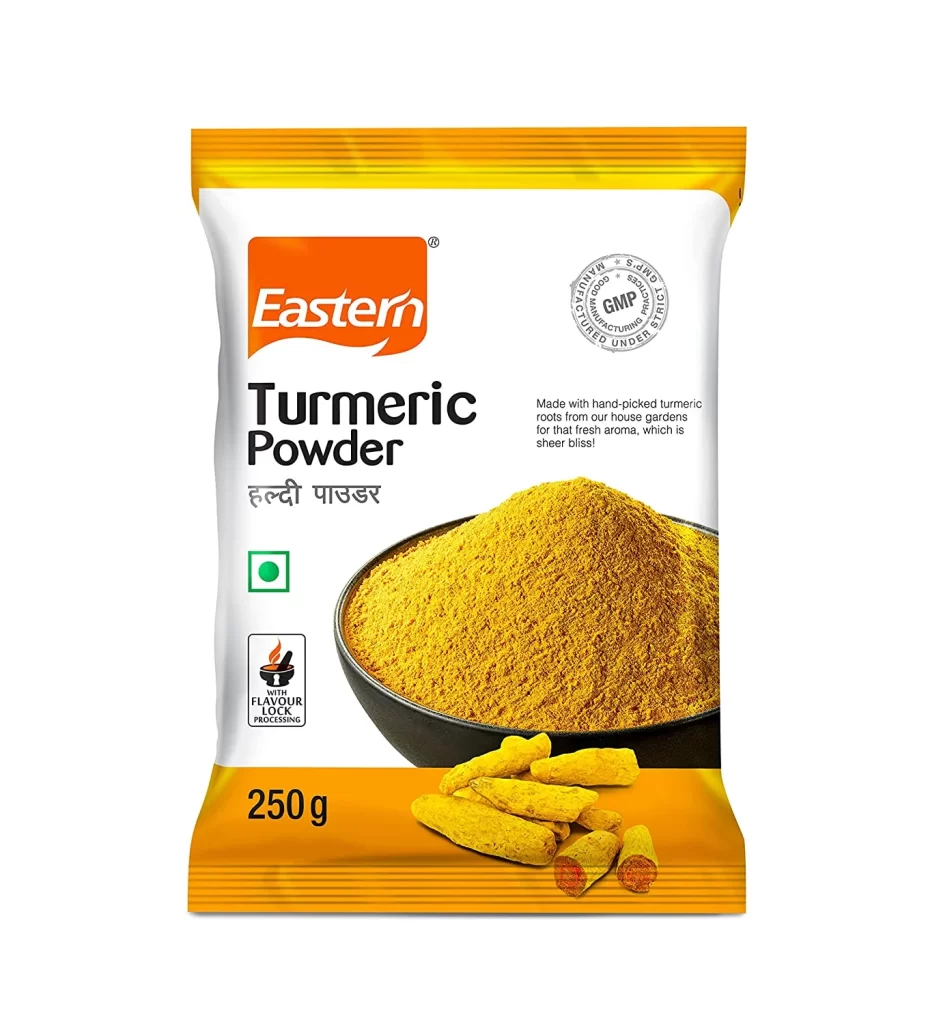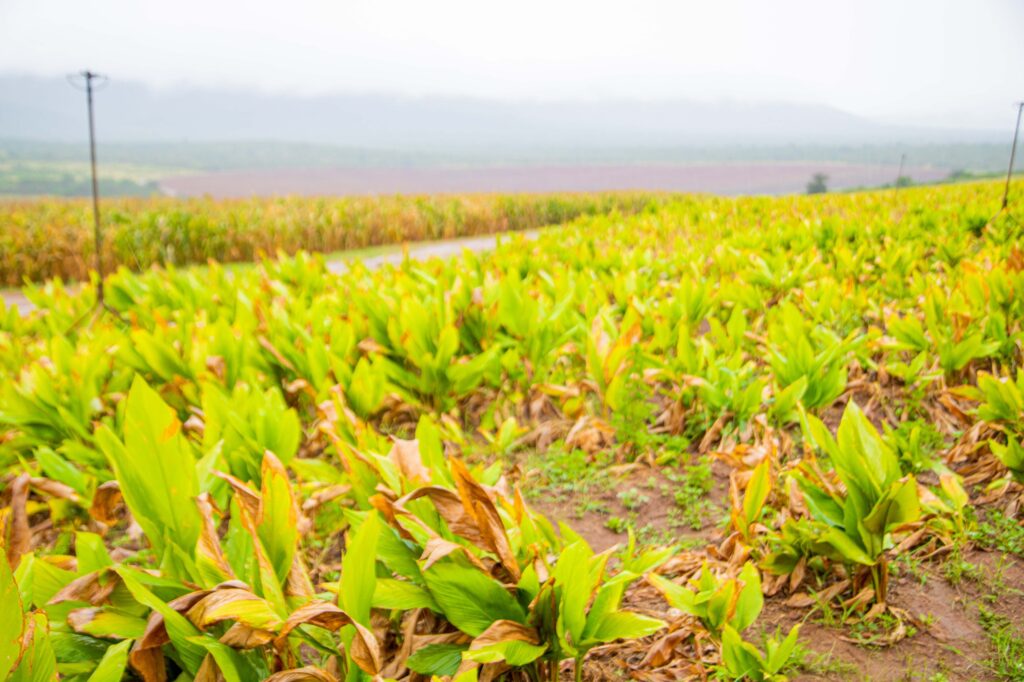
For the first time in Rwanda, turmeric, a spice widely used for flavouring food and valued for its medicinal properties is being cultivated locally.
The initiative is being led by ProDev Kayonza Ltd in Ndego Sector, Kayonza District, where the company has introduced turmeric as part of its diversified commercial farming operations.
Turmeric is commonly used as a culinary spice and food additive, but it is also widely recognised for its health, cosmetic and medicinal benefits, including disease prevention and treatment.
In Kayonza, turmeric is being grown on nine hectares within ProDev Kayonza’s 350-hectare farm, which also hosts other crops such as soya beans, maize and flowers.
Until now, turmeric consumed in Rwanda has largely been imported, mainly from Kenya, a factor that has driven up market prices for consumers.
Alex Mutunzi, who oversees the project, said the company first conducted small-scale trials to assess whether turmeric could be successfully grown under Rwandan conditions.
“Turmeric cultivation is possible in Rwanda, as confirmed by our trials,” Mutunzi said. “In the previous farming season, we planted it on a small plot as a pilot. Turmeric is an export-oriented crop, and exports generate foreign exchange, benefiting both producers and the country as a whole.”
He added that early indicators point to high yields, giving confidence that the crop will be profitable for the company and could eventually benefit other farmers.
Kayonza District Mayor Fred Hategekimana said the pilot project has shown strong potential to deliver economic benefits at both household and national levels.
“This is a new crop for our area, but research has shown that it is well suited to our soils,” Hategekimana said. “It is also a highly demanded crop internationally, particularly in European markets.”
He noted that the project is already creating jobs for local residents, who earn daily wages and support their families through the income generated.
“Once the trials are completed and the project is fully streamlined, we will encourage neighbouring farmers to adopt turmeric farming so they too can earn income,” he said. “When it reaches the export market, it will start generating foreign exchange for the country.”
What research says about turmeric
Research shows that turmeric helps inhibit histamine production, which plays a role in inflammation and allergic reactions when present in excess. As a result, turmeric can help reduce allergies, skin rashes and inflammation, and is beneficial for people suffering from asthma.
Traditional medicine practitioners in Asia—particularly in India—have long used turmeric to treat acne and other skin conditions. Recent studies have confirmed that curcumin, the active compound in turmeric, plays a key role in these healing properties.
A 2006 study found that turmeric has the potential to treat joint-related conditions, including arthritis, nerve disorders and gout, with experts recommending the consumption of warm water mixed with turmeric in the morning.
Further research published in February 2008 showed that curcumin can help protect the heart by preventing abnormal swelling and regulating blood pressure, among other cardiovascular benefits.