The Rwanda Cultural Heritage Academy (RCHA) plans to introduce new guidelines, “Kinyarwanda in the Lead,” aimed at promoting proper use of the Kinyarwanda language, particularly among young people, officials announced Monday.
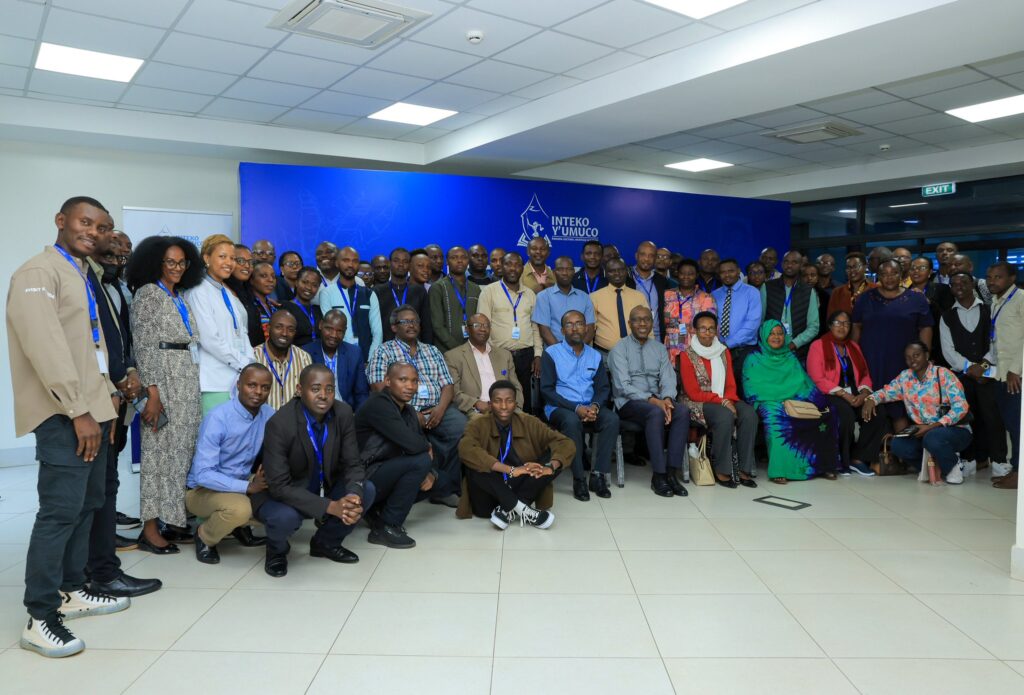
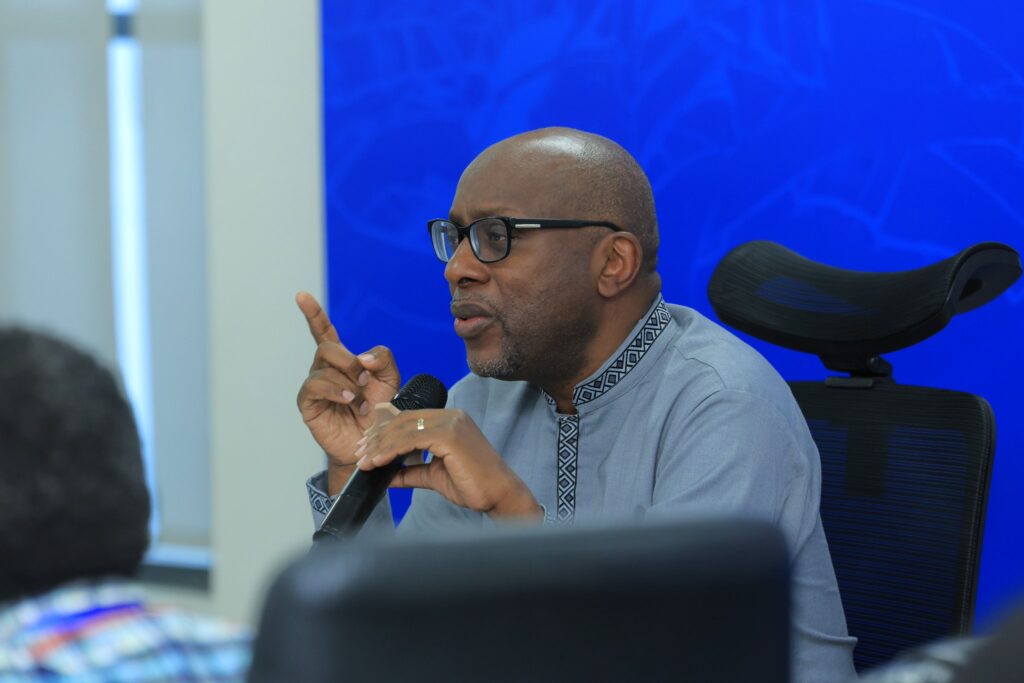
The announcement was made by Ambassador Robert Masozera, Chair of the Academy, during a meeting with cultural stakeholders to present findings from the “Assessment of Rwanda’s Cultural Heritage 2025” study. The meeting focused on strengthening knowledge of Rwandan culture and heritage while encouraging citizens to participate in campaigns promoting positive societal behavior.
Amb. Masozera highlighted that many Rwandans, especially youth, mix Kinyarwanda with foreign languages, often to appear sophisticated or educated.
“This is a serious issue because it is practiced mostly by educated people, including artists, leaders, and professionals,” he said. “Sometimes it is done just to show off, and other times people think it does not matter.”
The new guidelines aim to reinforce Kinyarwanda usage without limiting the use of other languages, ensuring the national language coexists alongside English, French, and Swahili.
“Kinyarwanda is not meant to compete with other languages; it is meant to coexist with them,” Amb. Masozera added.
Public input has emphasized the need to prioritize Kinyarwanda in signage, official communications, and public meetings, areas where foreign languages currently dominate. Amb. Masozera said the guidelines will ensure that Kinyarwanda is included wherever other languages are used.
“Whenever a meeting or communication is meant for Rwandans, Kinyarwanda should never be missing,” he said.
The Academy also noted a perception among youth that Kinyarwanda limits career opportunities, an attitude the campaign seeks to address.
The study found that all Rwandans value Kinyarwanda, yet more than 70 percent are dissatisfied with how it is currently used. Only 15 percent of institutions use Kinyarwanda on public signage, while 70 percent rely primarily on foreign languages.
The initiative represents a broader effort to preserve Rwanda’s cultural heritage, strengthen national identity, and ensure that Kinyarwanda remains a vibrant part of daily life for current and future generations.