Rwanda generated more than Rwf9.18 billion from agricultural and livestock exports in just three days, highlighting the country’s growing presence in international markets and the continued importance of the agriculture sector to export earnings.
According to the National Agricultural Export Development Board (NAEB), the revenue was generated from exports made between June 29 and July 1, 2026. During the three-day period, Rwanda exported a total of 9,454 tonnes of agricultural and livestock products to buyers across Europe, Asia, the Middle East and Africa.
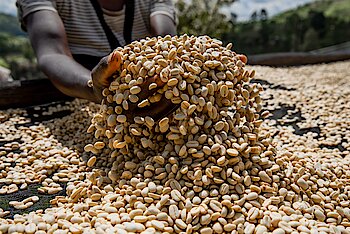
Coffee and tea remained the country’s leading export commodities. Rwanda shipped 455 tonnes of coffee, earning more than Rwf2.1 billion, while 648 tonnes of tea generated approximately Rwf1.8 billion.
Fresh horticultural products also contributed to the export earnings. NAEB reported that 462 tonnes of vegetables brought in more than Rwf479 million, while 243 tonnes of fruits earned Rwf168 million. Flower exports totaled 10 tonnes, generating over Rwf57 million.
Other agricultural commodities, including roots and tubers, legumes, cereals and other crops, accounted for the largest export volume. A combined 7,218 tonnes of these products were exported, generating more than Rwf3.8 billion.
Livestock products also continued to strengthen Rwanda’s export performance. During the three-day period, the country exported 427 tonnes of livestock products, which generated about Rwf679 million.
The exports reached a wide range of international markets, including the United Kingdom, the Netherlands, France, India, the United Arab Emirates, and several countries across Africa.
The latest export figures reflect Rwanda’s ongoing efforts to diversify export markets, increase the value of agricultural production and boost foreign exchange earnings through value-added agricultural and livestock products. The government has identified export growth as a key pillar of the country’s economic transformation strategy, with agencies such as NAEB working to expand market access and improve the competitiveness of Rwandan products abroad.