The Rwanda Biomedical Centre (RBC) has reported an increase in malaria prevalence in Rwanda, saying the country recorded 76 cases per 1,000 people, equivalent to 7.6% in the 2024/2025 period, up from 4.5% in 2023/2024.
RBC says Rwanda has experienced fluctuating malaria trends over the years, influenced by multiple factors. In 2013, prevalence had dropped to 36 cases per 1,000 people. However, in 2016, the country recorded a sharp surge, reaching about 400 cases per 1,000, with approximately 5 million reported cases.
Following intensified national interventions, cases declined again to 45 per 1,000 in 2023/2024. However, the latest figures show a renewed increase to 76 per 1,000 in 2024/2025.
Dr. Aimable Mbituyumuremyi, Head of the Malaria and Other Vector-Borne Diseases Division at the Rwanda Biomedical Centre, said Rwanda continues to implement strong measures aimed at eliminating malaria and remains among African countries making notable progress in control efforts.
He said the recent increase is mainly linked to resistance developed by both malaria parasites and mosquitoes.
“The increase is due to several factors, but the most important is that the malaria parasite has developed resistance to some of the drugs we have been using, which affects treatment effectiveness and leads to reinfection within a short period,” he said.
He added that mosquitoes have also changed their behaviour, increasingly biting outdoors, which reduces the effectiveness of indoor interventions such as spraying and insecticide-treated bed nets.
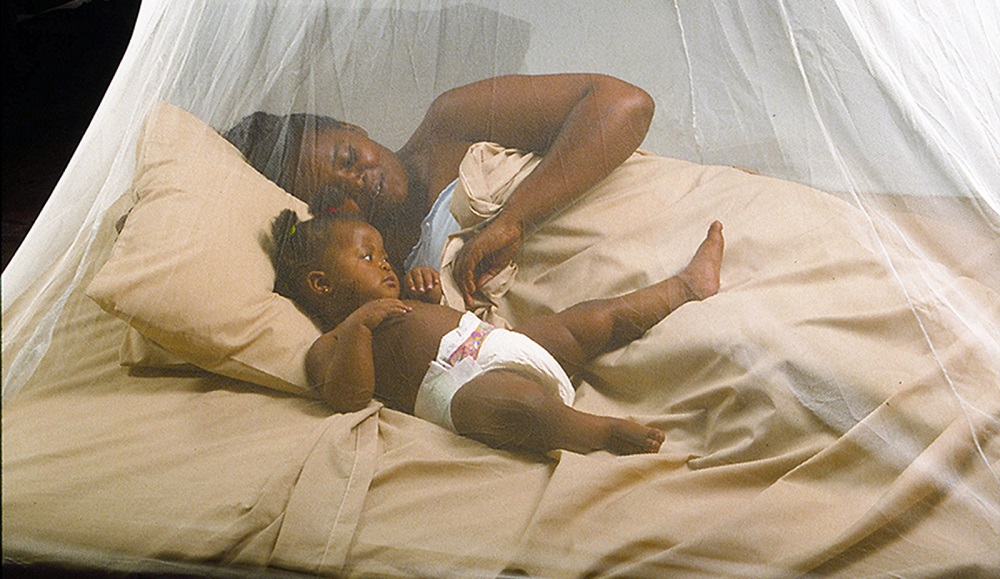
Despite the recent rise, RBC notes that malaria cases and deaths have generally declined over time due to sustained control measures, including distribution of insecticide-treated nets, indoor residual spraying, and community-based testing and treatment.
RBC figures show that in 2025/2026, malaria cases stood at 928,616, down from 1,131,314 in 2024/2025.
The most affected districts include Gisagara, Gasabo, Bugesera, Ngoma, Kayonza, Nyagatare, and Kirehe.
Recent data from March 2026 shows Ngoma recorded 8,527 cases, followed by Kayonza (5,839), Gasabo (5,709), Kicukiro (2,941), and Gisagara (2,769).
RBC says key interventions include distribution of long-lasting insecticide-treated nets every three years, indoor residual spraying once a year in high-risk districts, and community-level testing and treatment through community health workers, particularly targeting vulnerable groups such as pregnant women and children under five.