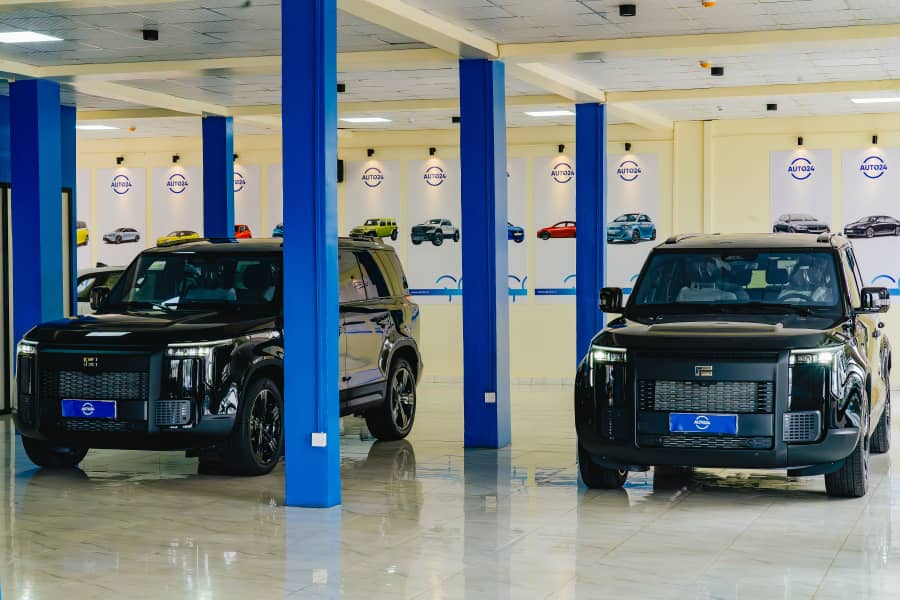
State Minister for Infrastructure Jean de Dieu Uwihanganye has indicated that Rwanda’s transition to electric mobility could soon make it difficult to import non-electric vehicles, as the country intensifies efforts to reduce dependence on petroleum products.
Speaking in an interview with Radio 1, Uwihanganye said the policy direction is part of a broader strategy to strengthen national resilience against global fuel price shocks and geopolitical instability affecting oil supply chains.
He noted that fluctuations in global politics and conflicts in oil-producing regions often trigger price increases that directly impact transport costs and household commodities.
“In the near future, government vehicles will be 100% electric. The government will lead by example. We are also looking at a period of about two years where importing non-electric vehicles may no longer be allowed,” he said.
Uwihanganye clarified that the shift would be gradual, driven by incentives for electric vehicles and a regulatory environment that increasingly favors clean energy transport.
He added that removing or reducing taxes on electric vehicles is expected to accelerate adoption while making fuel-powered imports less attractive.
The minister emphasized that reducing reliance on petroleum is central to Rwanda’s long-term economic resilience strategy.
He also highlighted plans to expand the use of electricity beyond transport, including cooking and other household energy needs, supported by renewable energy solutions such as solar power.
On energy capacity concerns, Uwihanganye said Rwanda currently has sufficient electricity generation, with ongoing investments aimed at strengthening production, transmission, and distribution systems.
He further noted that infrastructure for electric mobility is being expanded, including charging stations and battery-swapping systems for motorcycles to support wider adoption.
As part of the government’s transition plan, at least 30% of public sector vehicles are now required to be electric, with a phased replacement of public transport buses already underway.
Electric motorcycles and buses are already operating in parts of the country and are expected to gradually replace fossil-fuel-powered fleets.
Uwihanganye said the shift is expected to deliver both economic and environmental benefits, including reduced exposure to fuel price volatility and lower carbon emissions as Rwanda advances its green transport agenda.

The use of electric vehicles is expected to strengthen the country’s resilience.

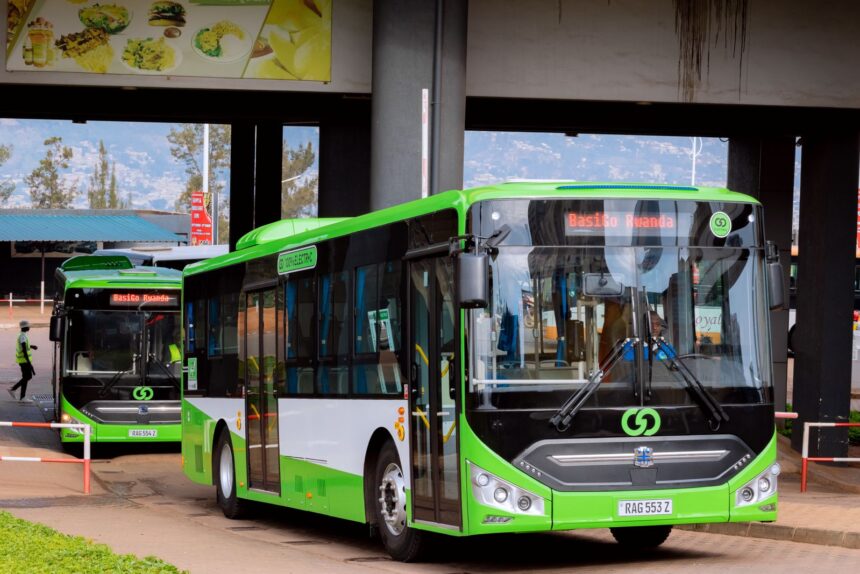
Electric motorcycles and buses are already in operation in passenger transport and are expected to continue replacing conventional fuel-powered vehicles.
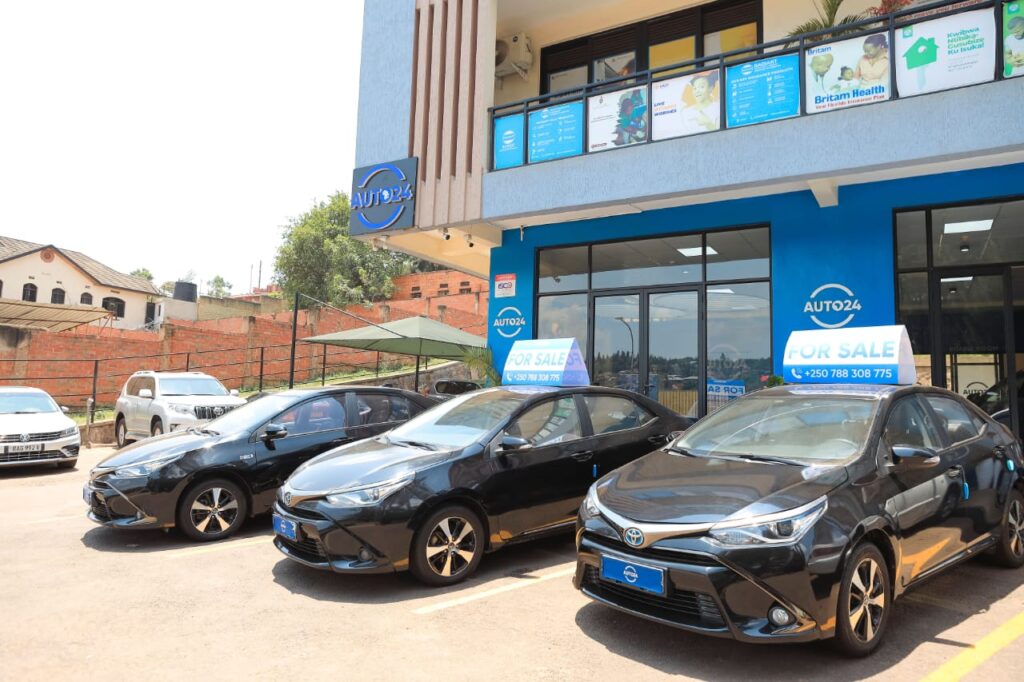
Electric vehicles are already available in Rwanda, with the government encouraging citizens to adopt them