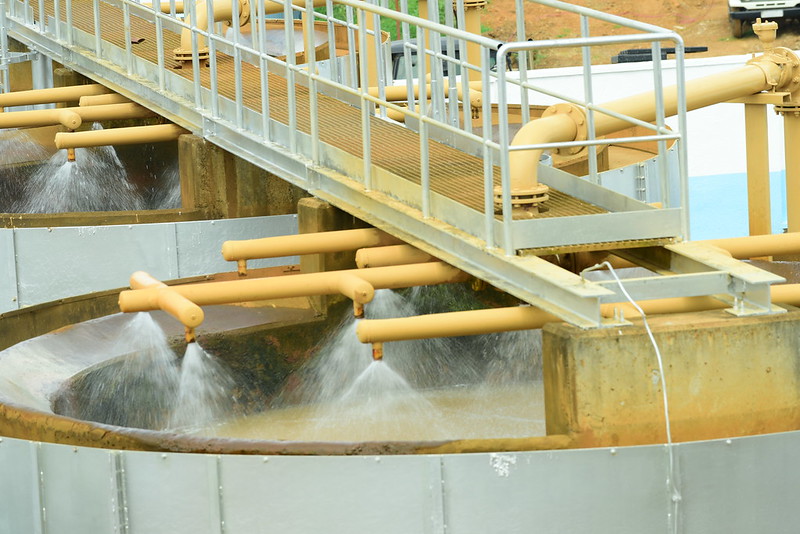
Ministry of Infrastructure has expressed confidence that Rwanda will achieve universal access to clean water by 2029 as the government scales up investments in major water and sanitation infrastructure projects across the country.
Infrastructure Minister Jimmy Gasore said ongoing and planned projects under the government’s Second National Strategy for Transformation (NST2) are progressing well and will help deliver clean water to all Rwandans within the next four years.
“We are making good progress and are confident this target will be achieved based on projects already completed and those currently under implementation,” Dr. Gasore said.
The minister noted that several strategic projects are already underway, while additional initiatives are being prepared to expand access to clean water services nationwide.
The projects form part of Rwanda’s proposed 2026/2027 national budget and medium-term expenditure framework extending to 2028/2029, presented to Parliament by Finance and Economic Planning Minister Yusuf Murangwa on May 11, 2026.
Under the proposed budget, the government plans to invest Rwf 138.3 billion in water, sanitation and hygiene infrastructure aimed at increasing access to clean water and improving sanitation services in both urban and rural communities.
Officials say the investments are expected to help address recurring water shortages affecting several parts of the country, especially during dry seasons.
Among the key projects is the expansion and completion of the Kanzenze Water Treatment Plant, expected to significantly increase clean water supply in Kigali and surrounding areas.
The plant was designed to supply 40,000 cubic metres of water per day to Kigali and an additional 10,000 cubic metres to Bugesera District. However, an Auditor General’s report revealed that the facility is currently operating at only 79% of its intended capacity.
Dr. Gasore attributed the shortfall to technical challenges related to the technology used during construction, noting that corrective measures are underway in collaboration with development partners.
“We encountered technical issues linked to the technology used at the Kanzenze plant, but discussions with partners are ongoing to ensure the facility reaches full production capacity,” he said.
The government also plans to rehabilitate the Karenge Water Treatment Plant in Rwamagana, increasing its production capacity from 12,000 to 48,000 cubic metres per day.
Authorities further announced plans to expand and rehabilitate water distribution networks in both urban and rural areas to improve supply reliability and reach underserved communities.
Minister Murangwa also said damaged water pipelines, particularly in rural areas, will be repaired to strengthen service delivery.
Currently, Kigali consumes about 140,000 cubic metres of clean water per day against an estimated demand of 200,000 cubic metres, leaving a daily deficit of around 60,000 cubic metres.
Beyond water supply, the government also plans to strengthen sanitation infrastructure through projects such as the Nduba Sanitary Landfill and the Kigali Centralized Sewerage System aimed at improving waste management services in the capital.