Rwanda is beginning to integrate artificial intelligence into waste management, with a new technology designed to improve waste sorting, collection and recycling while reducing the environmental impact of poorly managed waste.
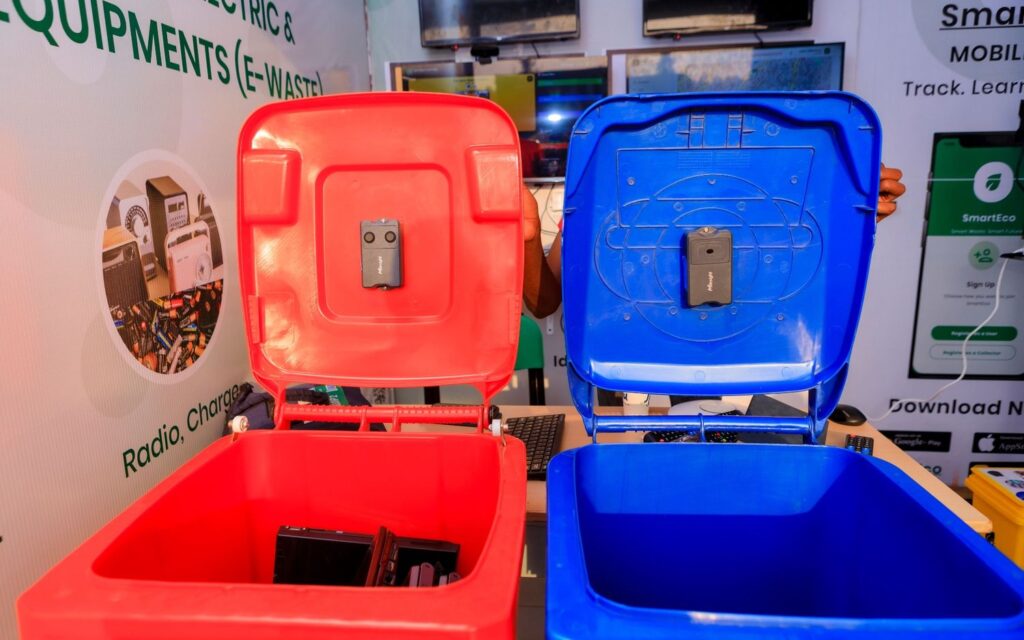
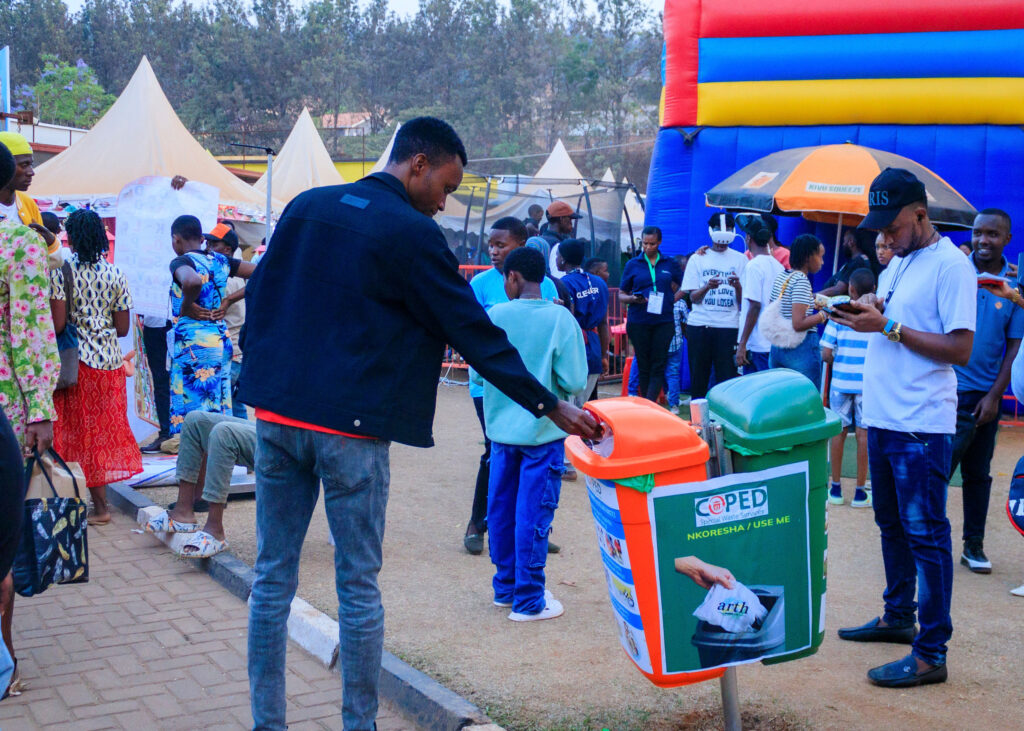
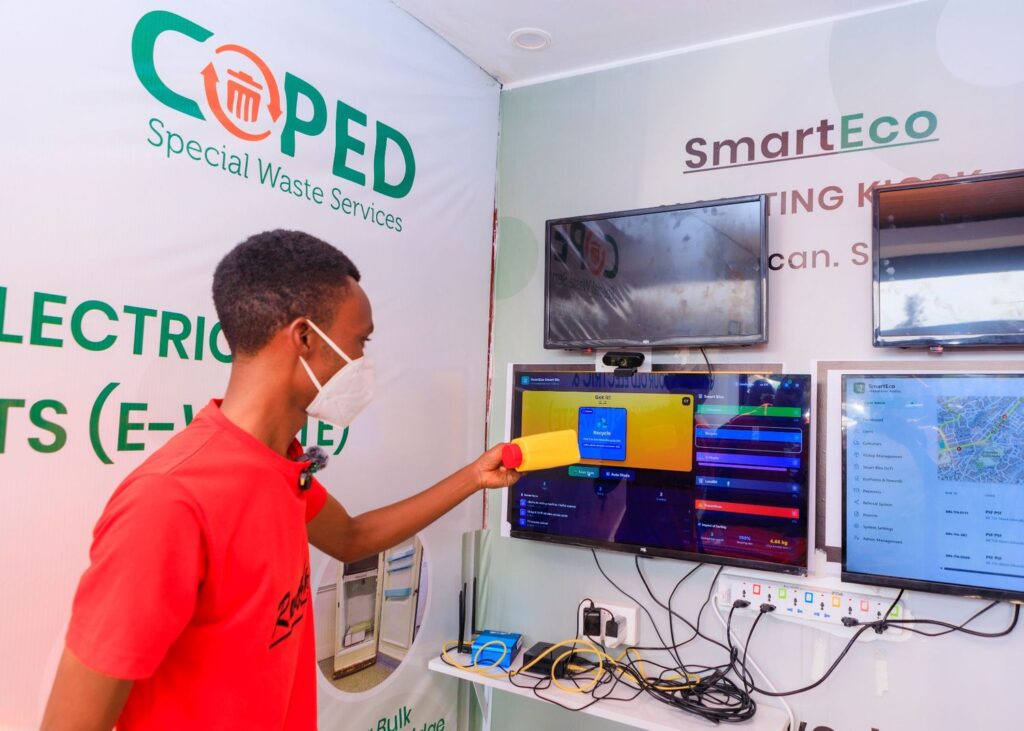
The technology, being showcased through COPED’s waste-management activities, uses a “Smart Bin” system to help identify different types of waste and determine how they should be handled.
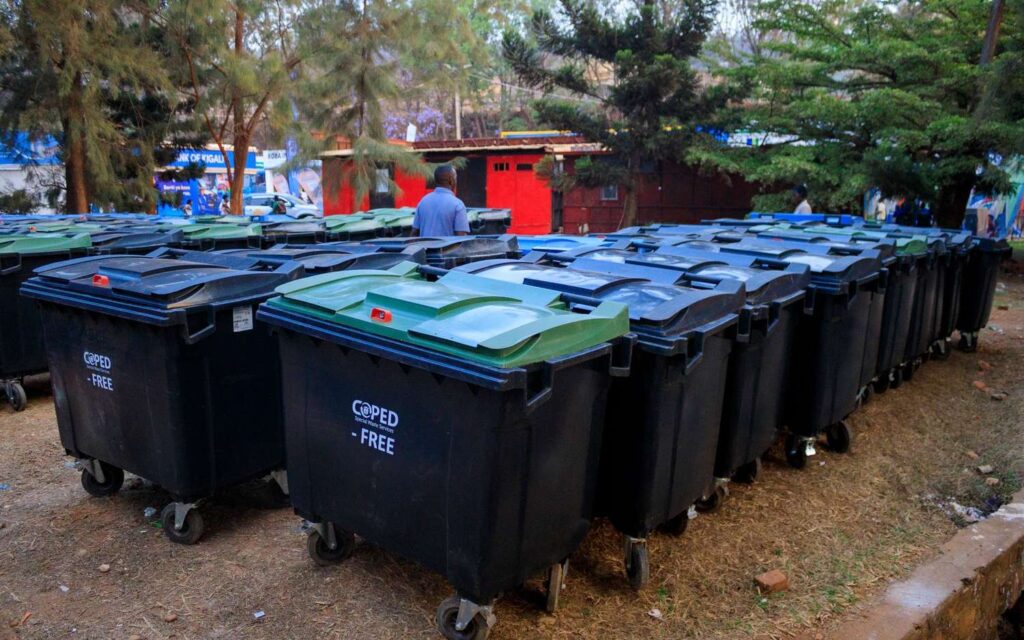
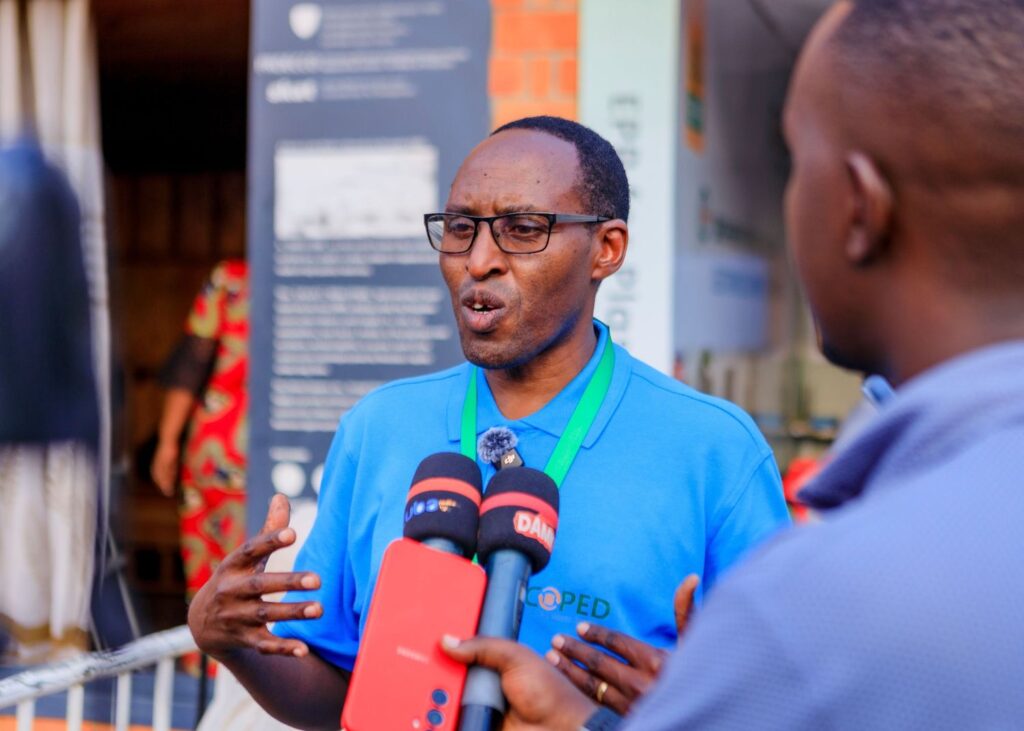
COPED Chief Executive Officer Paulin Buregeya said the initiative is intended to strengthen waste separation at source and help recover materials that can be recycled or reused. COPED has been involved in waste management and environmental protection in Rwanda for more than two decades. (copedgroup.rw)
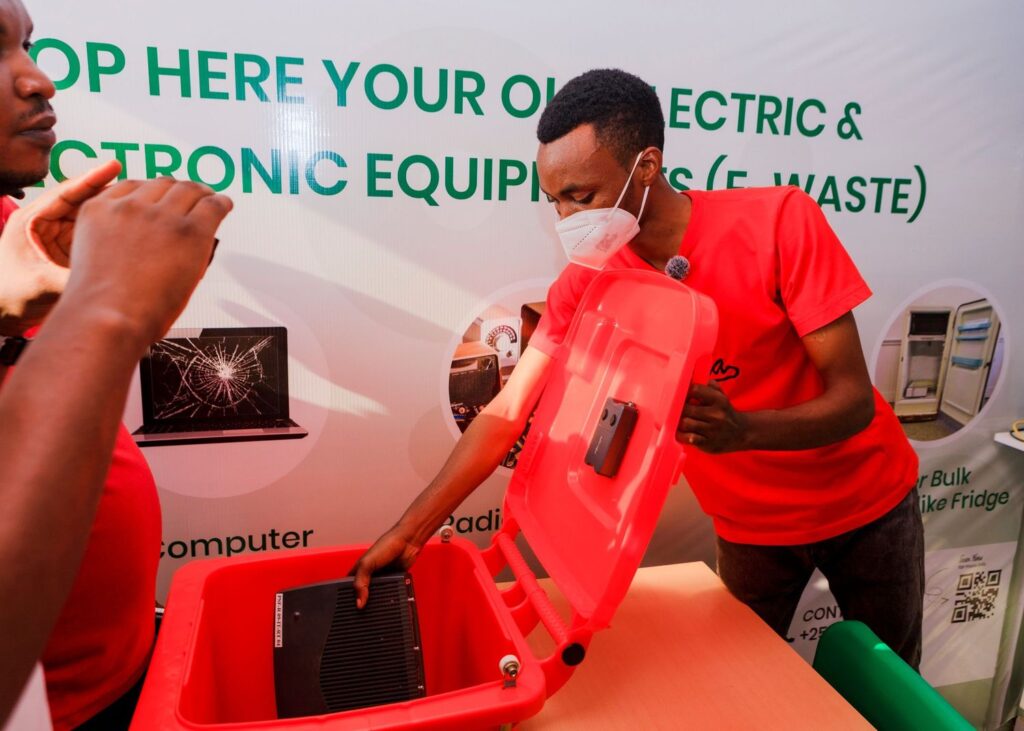
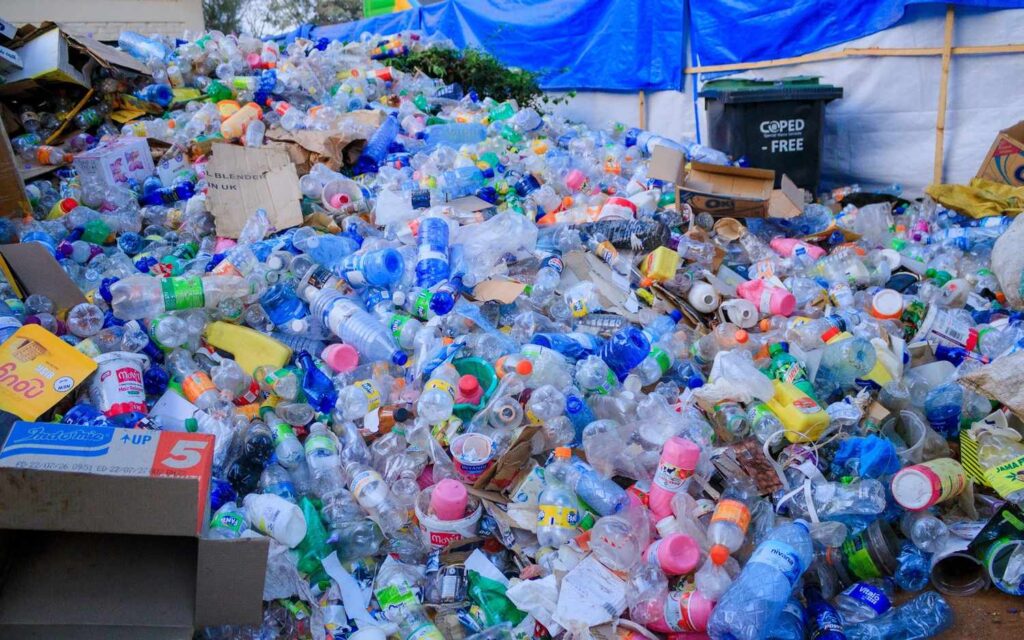
“We are here helping PSF collect waste from this area, but we also receive waste from plastics and electronic equipment,” Buregeya said.
He said the company also uses its activities to educate the public about proper waste separation and the environmental risks associated with poor waste management.
“After the expo, we plan to keep this environmental stand and use it for continuous awareness campaigns on environmental damage caused by poor waste management, while also teaching visitors how to identify waste that could pose risks to people,” he said.
Once waste is separated, recyclable and valuable materials can be recovered and sent to specialised recycling companies or processed for reuse, supporting a more circular approach to waste management. (African Updates)
AI to improve waste sorting
The Smart Bin system uses artificial intelligence to help users identify waste and determine the appropriate category for each item.
The system can identify an item presented to it, indicate the type of waste it represents and guide the user on where it should be placed. This can help distinguish recyclable materials from general, hazardous and electronic waste.
The wider smart waste-management platform also incorporates sensors that monitor factors such as bin levels and temperature and can alert operators when collection is needed. It is designed to improve the efficiency of waste collection while providing data that can help track waste-management activities. (Rwanda inspirer)
Buregeya said AI could make waste separation easier and encourage more people to participate.
“One of the things we have realised is that AI is now part of almost everything. We have also introduced a system that you put in the bin, and we communicate with it so that it can provide us with information,” he said.
The technology is being demonstrated as part of efforts involving the Private Sector Federation (PSF) to improve waste collection, separation and recycling at exhibitions. At the expo, waste was separated into general, recyclable, hazardous and electronic categories. (African Updates)
Buregeya called for stronger collaboration between government, financial institutions, businesses and other partners to expand waste-separation initiatives.
“Let us work together to start a campaign for waste separation. We need the efforts of the government, financial institutions and other partners,” he said.
Turning waste into income
The initiative could also provide economic opportunities for people who collect recyclable materials.
According to the information provided by COPED, residents can receive between Rwf100 and Rwf200 per kilogramme for electronic waste, depending on the material, while plastic waste can fetch up to Rwf100 per kilogramme. Collected materials are then sold to specialised recycling companies. (African Updates)
The introduction of AI and smart sensors into waste management reflects Rwanda’s broader push to move beyond waste collection towards better sorting, recycling and recovery of materials.
The developers hope the technology can eventually be expanded beyond the current demonstration to businesses, institutions and households, potentially helping Rwanda build a more data-driven and environmentally sustainable waste-management system. (Rwanda inspirer)