Rwanda has reaffirmed its commitment to tracking and prosecuting individuals suspected of taking part in the 1994 Genocide against the Tutsi who continue to live freely in foreign countries.
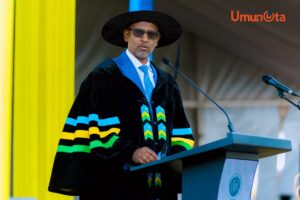
Minister of Justice and Attorney General Dr. Emmanuel Ugirashebuja said Rwanda will not relent in its efforts to ensure justice for survivors, stressing that all available legal avenues will be used to hold suspects accountable.
He said Rwanda continues to seek extradition of genocide suspects to face trial domestically, arguing that crimes were committed in Rwanda where evidence and witnesses remain accessible. Where extradition is not possible, he added, Rwanda advocates for prosecution in the countries where suspects reside.
Dr. Ugirashebuja revealed that Rwanda has submitted more than 1,000 extradition requests to various countries worldwide. However, only 59 suspects—about 5 percent—have so far been arrested.
Of those, 30 have been extradited to Rwanda, while 29 were tried in the countries where they were arrested. Others remain at large in different regions across the world.
Foreign Affairs Minister Olivier Nduhungirehe said some countries that were linked to or involved in the genocide have continued to shield suspects who fled to their territories, complicating justice efforts.
France, which hosts a number of genocide suspects, only began prosecuting such cases in 2014. Since then, only eight individuals have been tried, despite about 30 active case files.
Prosecutor General Habyarimana Angélique said efforts are ongoing, noting that while progress remains slow, cooperation with international partners continues to improve.
She added that Rwanda has so far secured convictions of three suspects extradited from the Netherlands and one from Denmark, while two additional cases involving suspects from Sweden and Denmark are still ongoing.