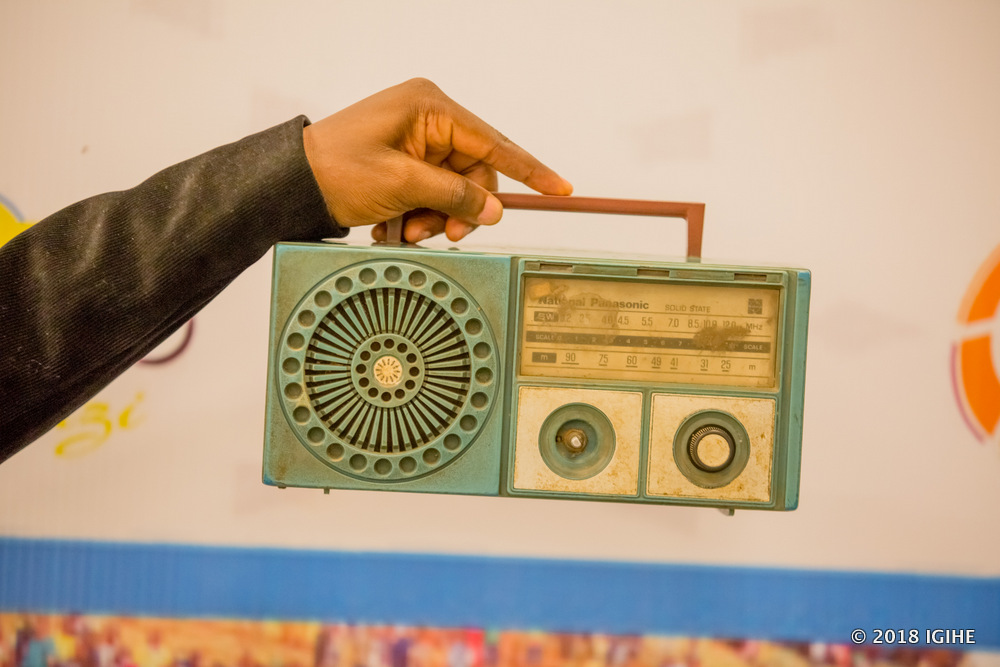
As Rwanda joins the rest of the world in marking World Radio Day, radio continues to hold a special place in the hearts of Rwandans, remaining one of the most trusted and widely used sources of information in the country.
Findings from the Seventh Integrated Household Living Conditions Survey (EICV7) show that 86.1% of Rwandan households own a radio. This means nearly nine out of ten households across the country have access to the medium, underscoring its enduring role in national development through information dissemination.
Despite the rapid rise of mobile phones and social media platforms, radio remains the primary channel for reaching citizens. In urban areas such as Kigali, between 90% and 95% of households own mobile phones — many of which are equipped with FM radio. Morning and evening hours often find people tuned in to news bulletins and talk shows across various stations.
In rural areas, radio remains the leading source of information. It is affordable, accessible, and does not necessarily require electricity, as many households rely on battery-powered devices. In contrast, urban listeners increasingly access radio content through mobile internet and platforms such as YouTube.
Former Director-General of the Rwanda Broadcasting Agency (RBA), Aldo Havugimana, who now serves as Rwanda’s Deputy Ambassador to the United States, once noted that radio ownership exceeding 80% demonstrates how deeply rooted the medium is in Rwandan society.
“Radio is what citizens wake up to and what they listen to before going to bed. It is the constant source of information for nearly all Rwandans. Radio is more than a medium — it is part of everyday life,” he said, describing it as an inclusive platform for access to information nationwide.
A 2024 Media Development Indicators report further highlighted the high level of public trust in Rwandan media. Radio ranks as the most trusted platform, with 97% of citizens relying on information broadcast through it. By comparison, television news is trusted at 44.9%, online news websites at 31%, and social media platforms at 28.5%.
As digital media continues to expand, radio remains resilient — a trusted companion in homes, markets, buses, and workplaces across Rwanda.