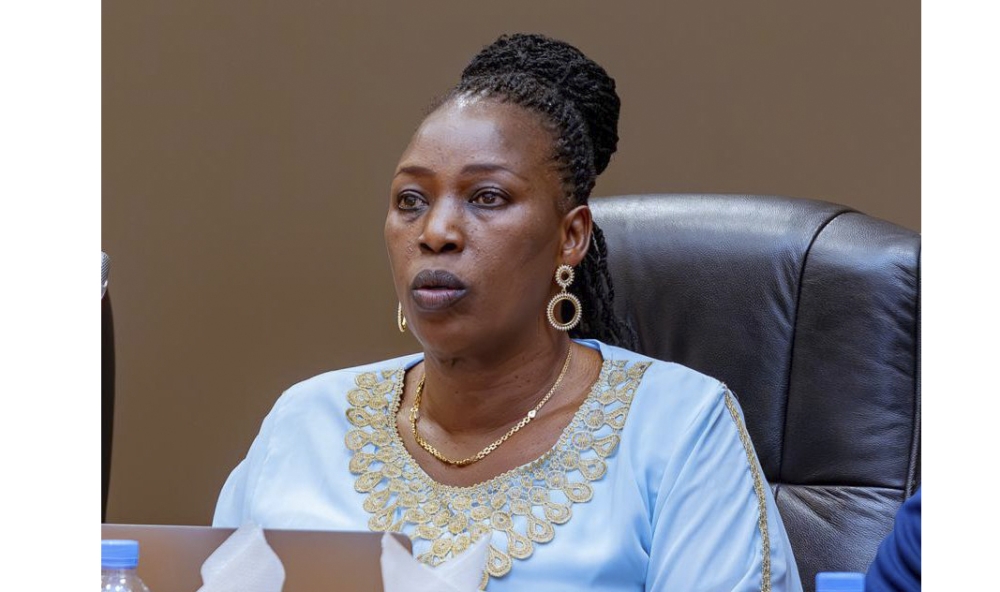
Rwanda’s Chief Ombudsman, Madeleine Nirere, has cautioned citizens against allowing property of unknown origin to be registered in their name, warning that such actions can constitute a criminal offense and may lead to seizure or auction of their assets.
Speaking to the media on February 10, 2026, during the release of Transparency International’s annual report on anti-corruption, Nirere emphasized the risks involved in handling property without verifying its source.
“Agreeing to register property without knowing its origin exposes individuals to serious legal and financial risks, including the possibility that their assets may be confiscated or auctioned,” she said.
She explained that failing to account for the origin of one’s assets is considered a legal violation, especially when individuals allow others to register property on their behalf without full knowledge. In such cases, both the person registering the property and the one whose name appears can face legal proceedings.
Nirere cited an example of a former land service employee who registered 80 plots under other people’s names using their national IDs. When the properties were sold, it appeared as though the owners had authorized the sales, even though they were unaware of their ownership.
She urged citizens not to act as intermediaries for property of unknown origin, noting that such actions could have serious consequences.
“The key issue is not being able to explain the origin of your property. If it is registered in someone else’s name, both parties can be investigated. If fraud is confirmed, the property can be confiscated and the individual prosecuted,” she said.
The offense is defined under Article 9 of Law No. 54/2018 of August 13, 2018, on the prevention and punishment of corruption. Those found guilty face seven to ten years in prison and fines of three to five times the value of the undisclosed assets.