Transparency International Rwanda has raised alarm over widespread sexual corruption in Rwanda’s education sector, particularly in universities and other higher learning institutions, warning that the practice threatens access to inclusive and quality education.
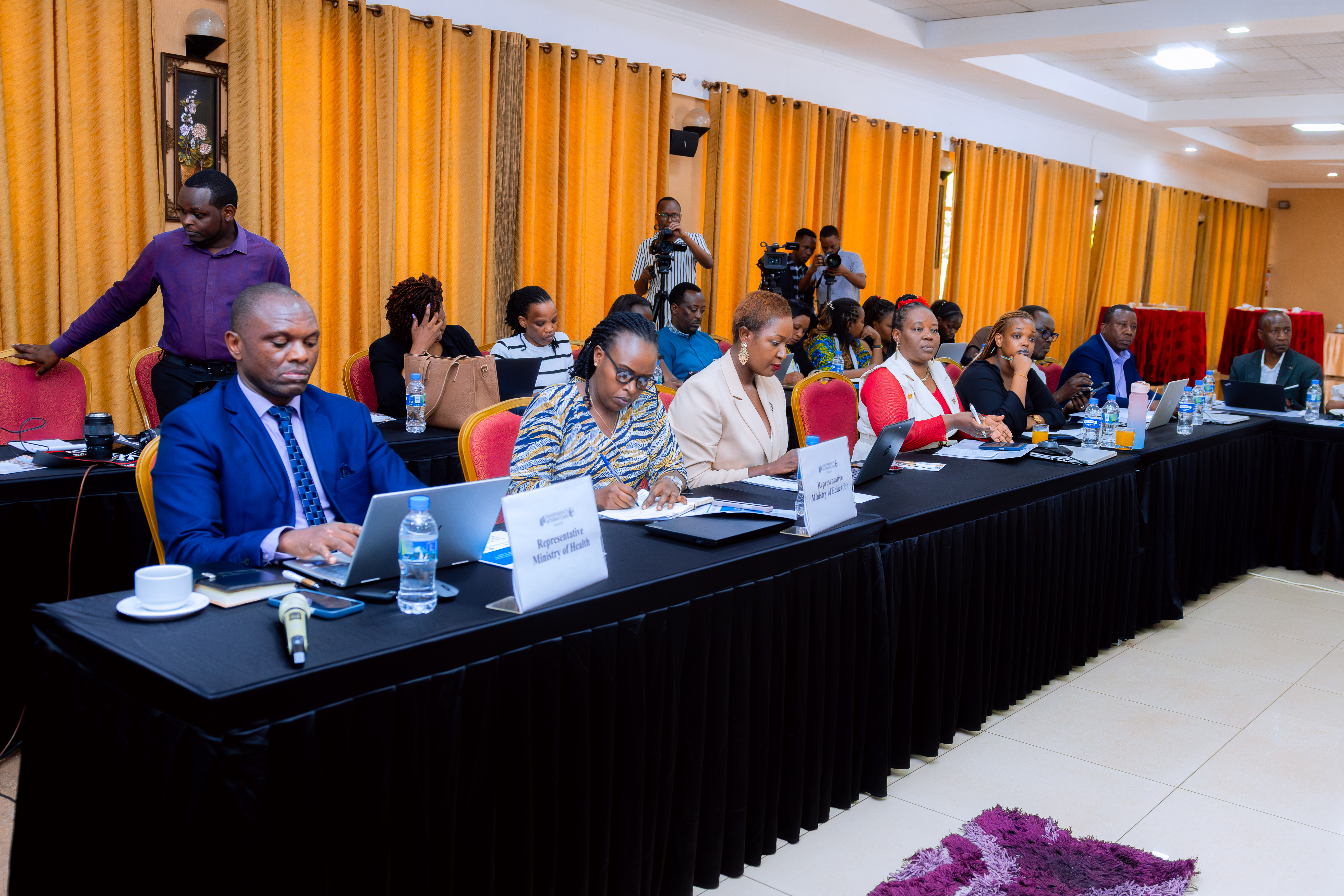
The findings were presented on Thursday, January 29, 2026, during a multi-stakeholder dialogue convened by TI Rwanda to discuss corruption in schools and health facilities.
According to the report, sexual corruption remains one of the most prevalent forms of abuse in higher education, where some individuals in positions of authority demand sexual favors in exchange for grades, academic progression, leadership positions, and access to internships.
The organization noted that while institutional-level corruption has declined, abuse of power persists at the point of service delivery, where decisions directly affect students’ academic futures.
“Sexual corruption is especially visible in universities, where students are pressured to engage in sexual acts in return for good grades, progression, or favorable internship assessments,” said Dr Bruce Gashema, a Research Officer at Transparency International Rwanda.
The report highlights that such practices disproportionately affect vulnerable groups, particularly female students, students from poor households, and persons with disabilities, undermining their right to education.
Data from the study shows that students most frequently asked for bribes or sexual favors to secure school placement include girls at 7.8 percent, students from poor families at 8.6 percent, persons with disabilities at 9.2 percent, and students with intellectual disabilities at 46.1 percent.
Albert Rwego Kavatiri, Program Manager at TI Rwanda, attributed the persistence of corruption to weak oversight systems and inconsistent enforcement of sanctions.
“The absence of gender-responsive policies, limited empowerment of stakeholders, and lack of transparency mechanisms continue to allow sexual corruption to thrive,” Kavatiri said, warning that inclusive education goals remain at risk without decisive action.
TI Rwanda cautioned that sexual corruption threatens Rwanda’s progress in gender equality, education quality, and anti-corruption reforms, calling for strengthened accountability, consistent sanctions, and better protection and support for survivors.
The organization also cited broader studies on gender-based violence, which show that adolescent girls remain highly vulnerable to sexual abuse in school settings, often resulting in early pregnancies. More than 70 percent of girls who become pregnant while in school are forced to drop out, deepening educational inequality.