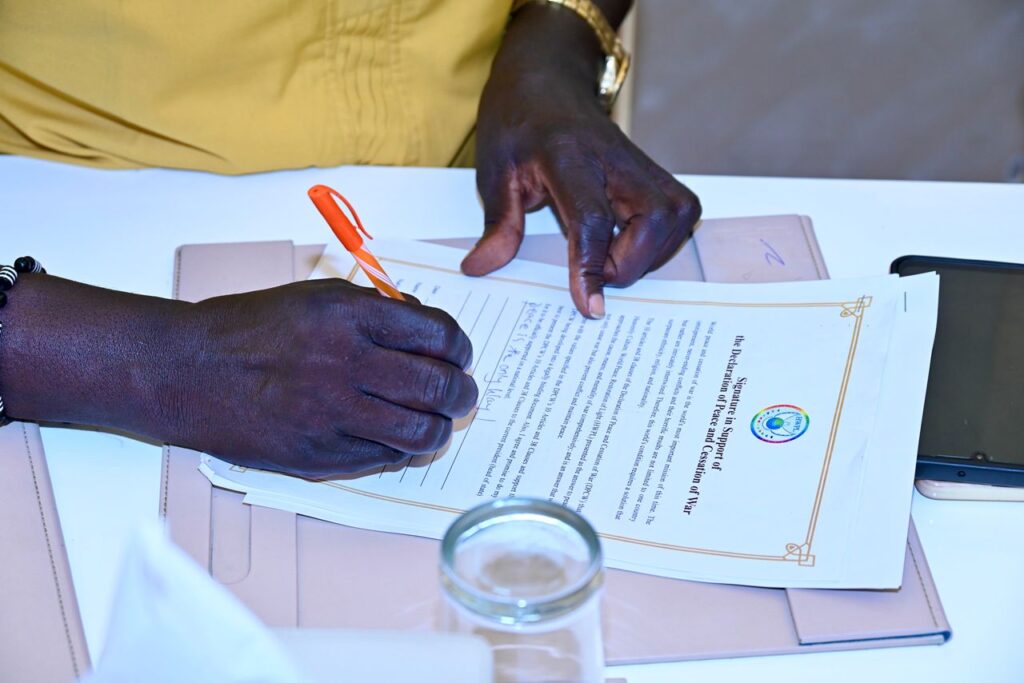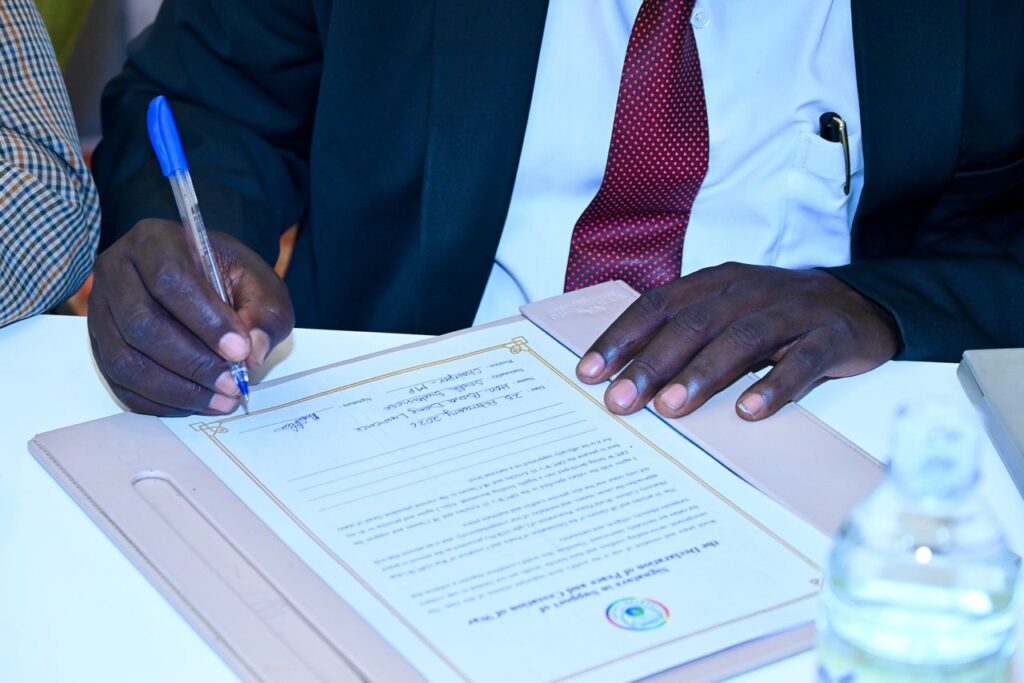
South Sudan lawmakers are exploring ways to translate a parliamentary resolution endorsing the Declaration of Peace and Cessation of War (DPCW) into practical measures in leadership, governance and public institutions.
The effort follows the adoption of Resolution No. 29/2025 by the Transitional National Legislative Assembly (TNLA), which endorsed the DPCW as part of broader efforts to strengthen peacebuilding in the country.
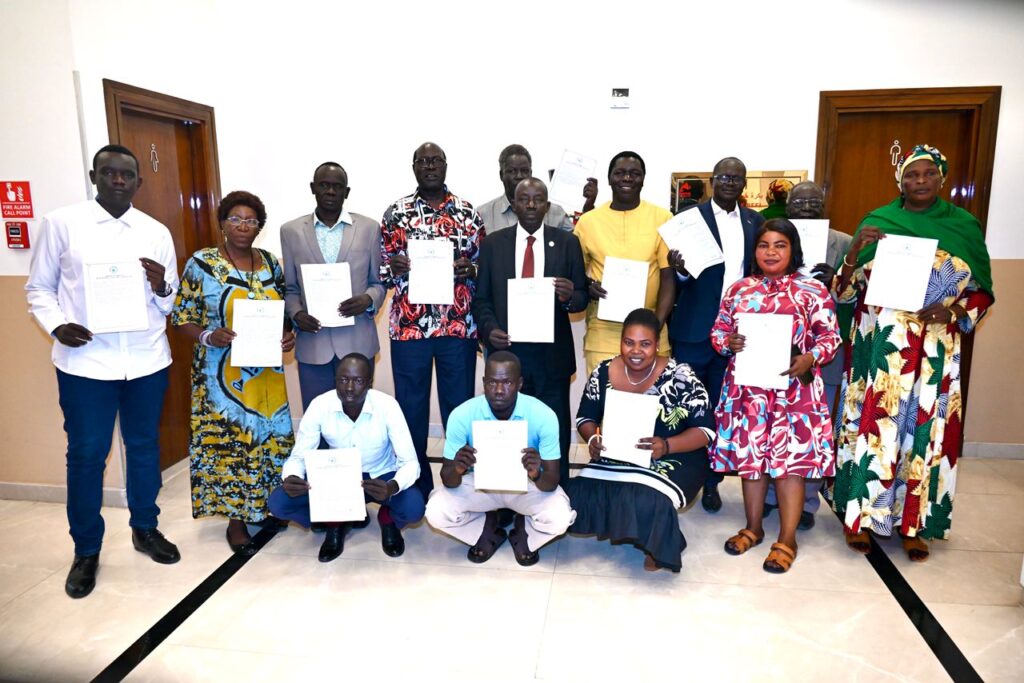
Following the parliamentary endorsement, members of the TNLA, particularly the Standing Committee on Peace and Reconciliation, engaged with Heavenly Culture, World Peace, Restoration of Light (HWPL) to examine how the resolution’s principles could be reflected in governance and institutional development.
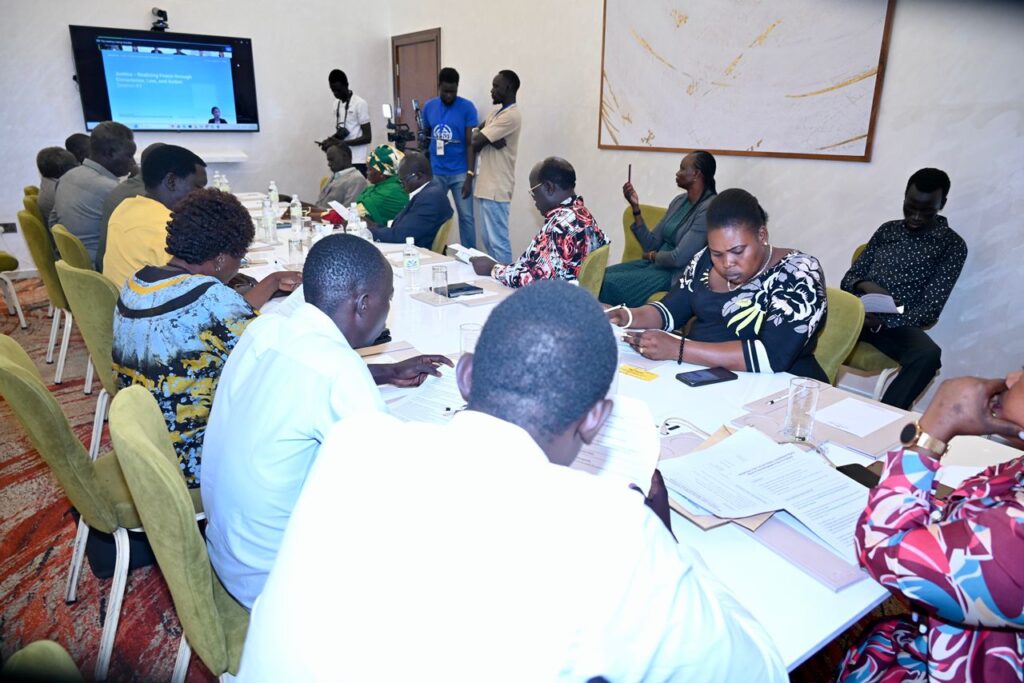
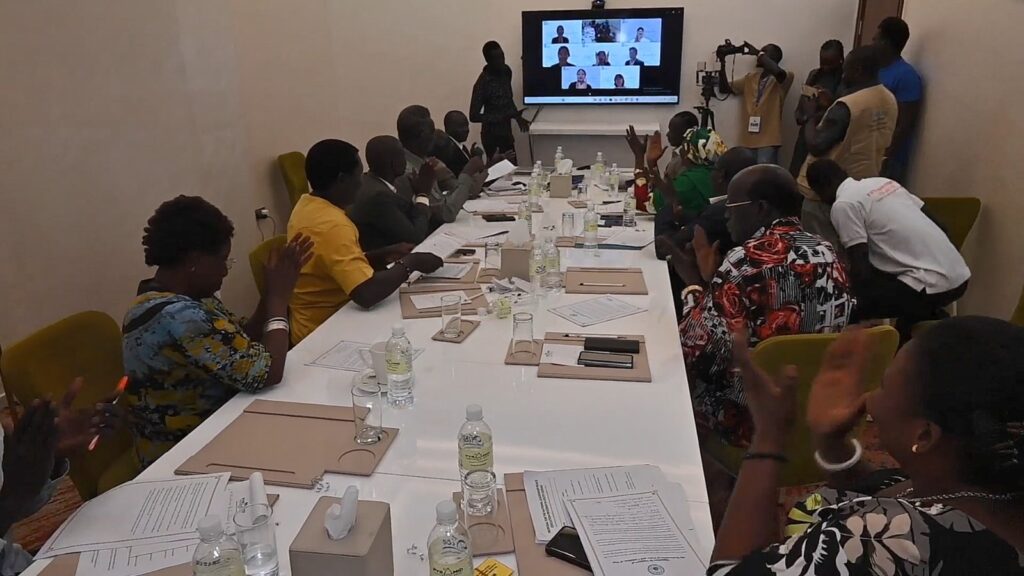
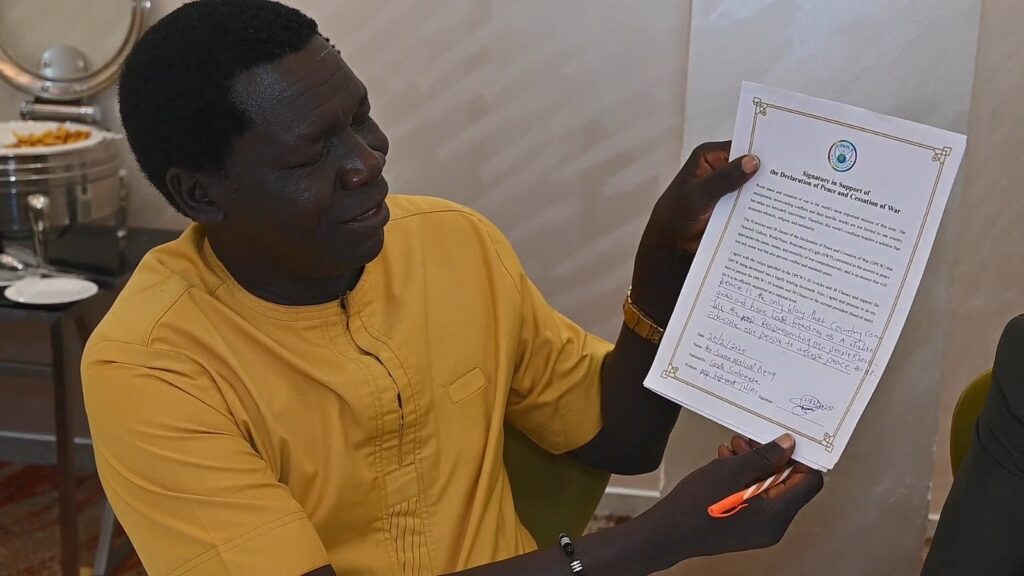
As part of the initiative, lawmakers participated in two rounds of Human-Centered Peace Leadership Education aimed at examining how peace-related values can be translated into leadership, policymaking and institutional practices.
Lawmakers focus on leadership and reconciliation
The first session, held at the UNDP Conference Hall in South Sudan, focused on the role of leadership in sustaining peace.
Participants discussed the importance of leadership values and decision-making in building lasting peace, arguing that legal frameworks alone cannot guarantee sustainable peace without leaders committed to reconciliation and responsible governance.
Hon. John Jock Choul emphasised the importance of reconciliation, forgiveness and personal transformation in national peacebuilding.
“Love is essential to life, and when forgiveness is encouraged, a nation can move in the right direction. Forgiveness is one of the pillars that sustains life,” he said.
His remarks highlighted the importance of addressing attitudes and behaviour alongside formal peacebuilding structures.
Peace education takes centre stage
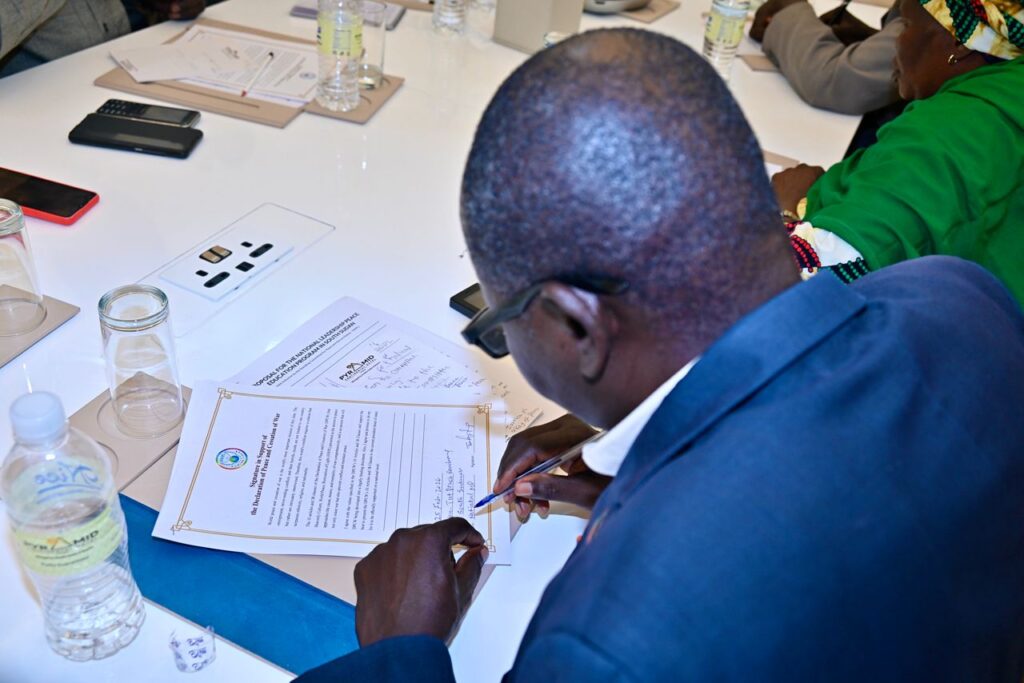
The second session shifted the focus to the rule of law, institutional development and peace education.
Participants explored ways to strengthen legal safeguards for peace while expanding peace education as part of long-term national development.
Hon. James Kok Ruea said traditional leaders have historically played an important role in promoting peace, particularly in communities where access to formal education remains limited.
“Our traditional leaders have always been among the strongest advocates for peace. We must institutionalise peace education so that future generations become agents of peace,” he said.
The discussions emphasised that sustainable peace requires both strong institutions and continued investment in leadership development and education.
Moving beyond parliamentary endorsement
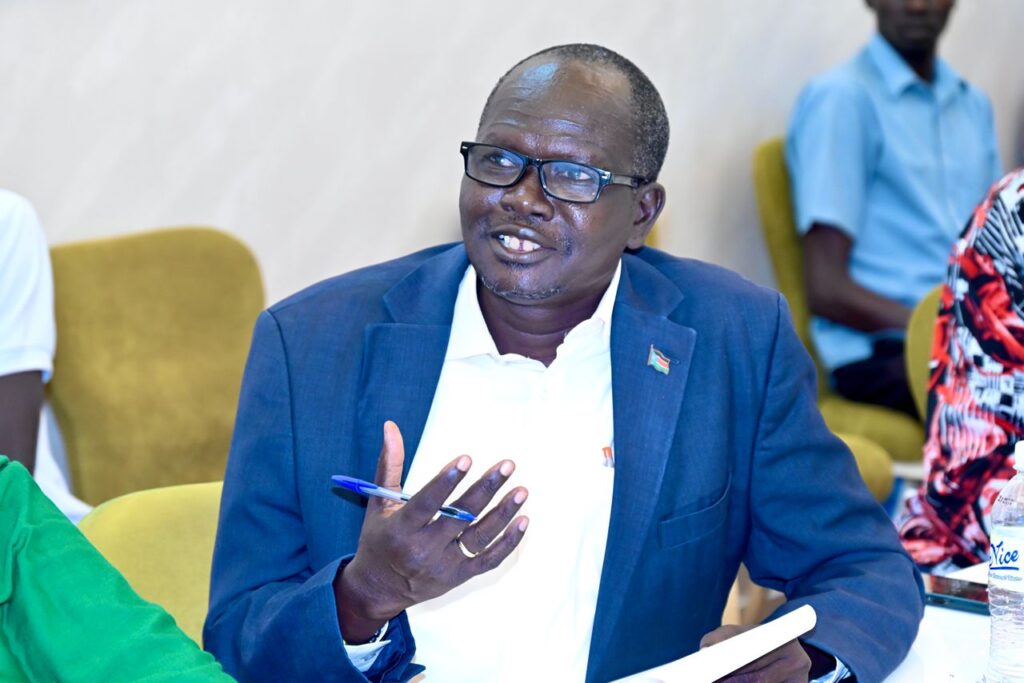
For participating lawmakers, the parliamentary resolution represents a starting point for further work rather than an end in itself.
The leadership education programmes provided an opportunity to examine how the principles endorsed by Parliament could be incorporated into governance, public policy and institutional practices.
Hon. Bona Deng Lawrence, Chairperson of the TNLA Standing Committee on Peace and Reconciliation, said the parliamentary decision reflected the aspirations of South Sudanese citizens who have endured years of conflict.
“When Parliament committed to adopting the DPCW as a national resolution, it reflected the aspirations of people who long for peace,” Lawrence said.
The activities following the parliamentary adoption are intended to connect legislative commitment with practical initiatives in leadership development, peace education and institutional strengthening.
South Sudan continues to face significant challenges linked to political instability and the legacy of prolonged conflict. Lawmakers and other stakeholders involved in the initiative say strengthening institutions and developing peace-oriented leadership will be important to sustaining the country’s peacebuilding efforts.
The focus now is on moving from formal endorsement to implementation and ensuring that the principles adopted through Parliament can contribute to South Sudan’s longer-term approach to peace, governance and reconciliation.