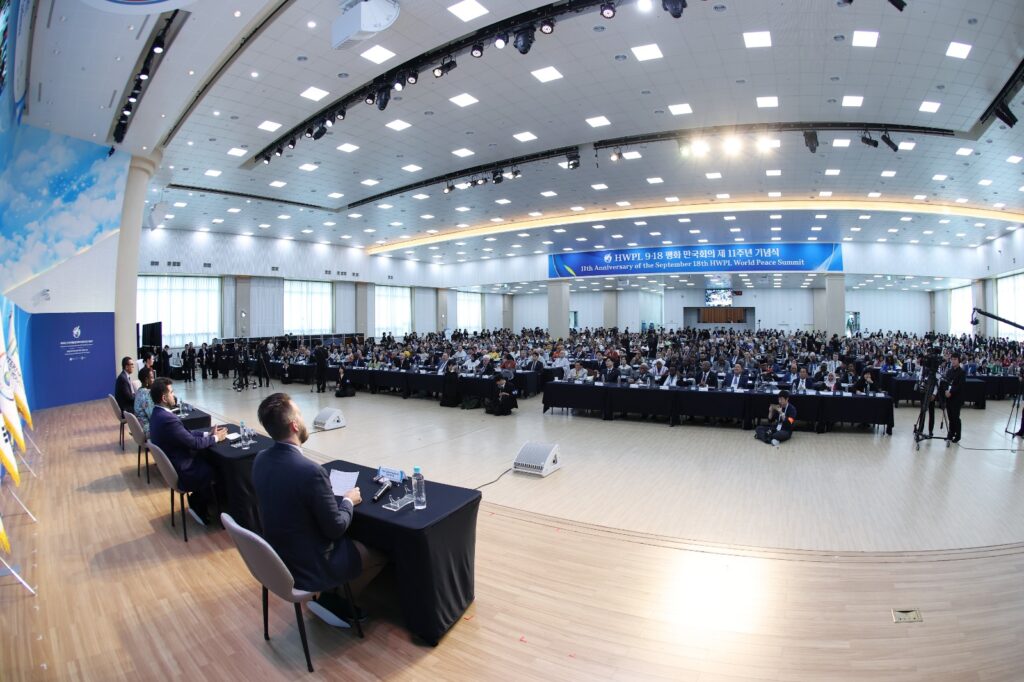
South Sudan’s Transitional National Legislative Assembly (TNLA) has adopted a resolution endorsing the Declaration of Peace and Cessation of War (DPCW), in a move presented as part of efforts to strengthen the country’s institutional approach to peacebuilding.
The resolution, No. 29/2025, was adopted in 2025 following parliamentary consideration of the legal basis and practical implications of endorsing the DPCW.
South Sudan has been rebuilding its political and institutional systems since gaining independence in 2011, following decades of conflict and instability.
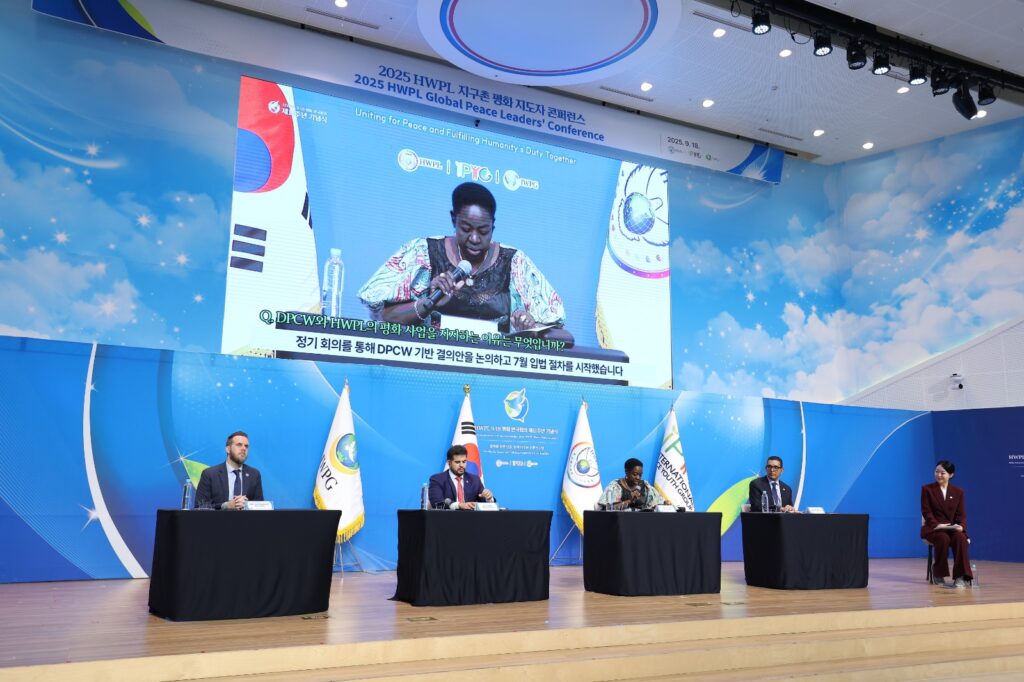
The DPCW was proclaimed in 2016 by Heavenly Culture, World Peace, Restoration of Light (HWPL), a South Korean civil society organisation. It contains 10 articles and 38 clauses addressing issues including conflict prevention, peaceful dispute resolution, international cooperation and the promotion of a culture of peace.
According to the organisation, the declaration has been used as a framework for engagement with governments, legal experts and civil society organisations on approaches to peacebuilding.
Parliament debates legal status
The resolution was considered during the 15th Ordinary Sitting of the TNLA on September 15, 2025.
During the debate, some lawmakers questioned whether Parliament should endorse a document developed by a civil society organisation rather than an intergovernmental institution such as the United Nations or African Union.
They also sought clarification on the DPCW’s legal status and whether its adoption would have implications for South Sudan’s existing legal framework.
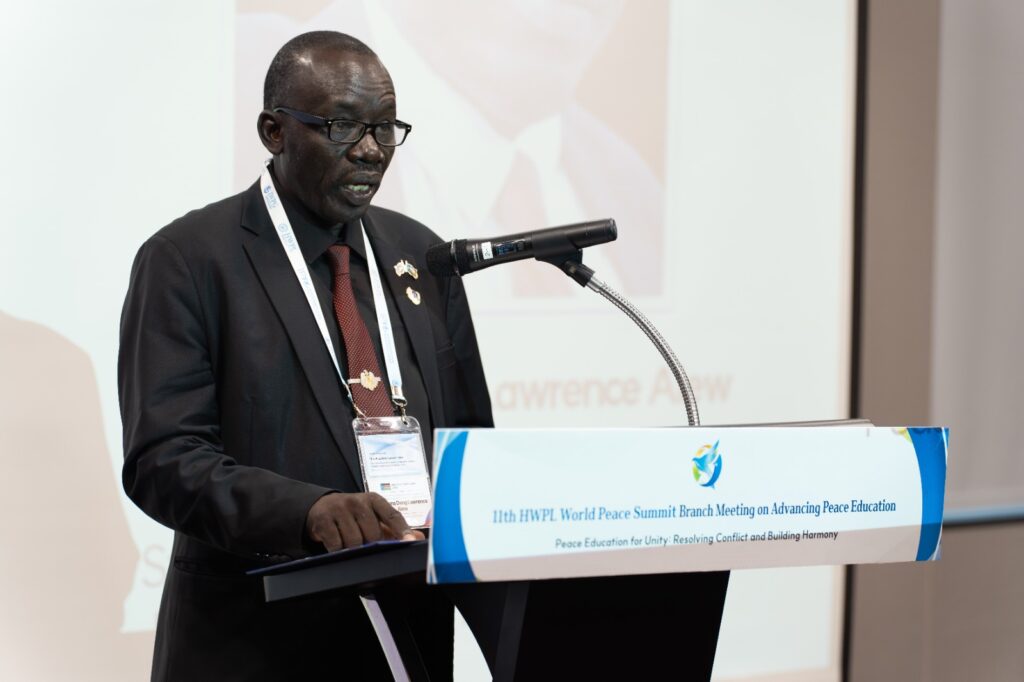
Hon. Bona Deng Lawrence, Chairperson of the Standing Committee on Peace and Reconciliation, told lawmakers that the Ministries of Foreign Affairs and Justice had reviewed the declaration and found no legal obstacles to introducing the resolution.
Following the discussion, lawmakers concluded that lasting peace requires not only political agreements but also legal and institutional mechanisms to support their implementation.
The TNLA subsequently adopted the resolution by consensus.
The parliamentary action followed earlier engagement with South Sudan’s judiciary and the executive. President Salva Kiir Mayardit endorsed the DPCW in 2024, according to the material provided by HWPL.
Leaders link peace framework to South Sudan’s experience
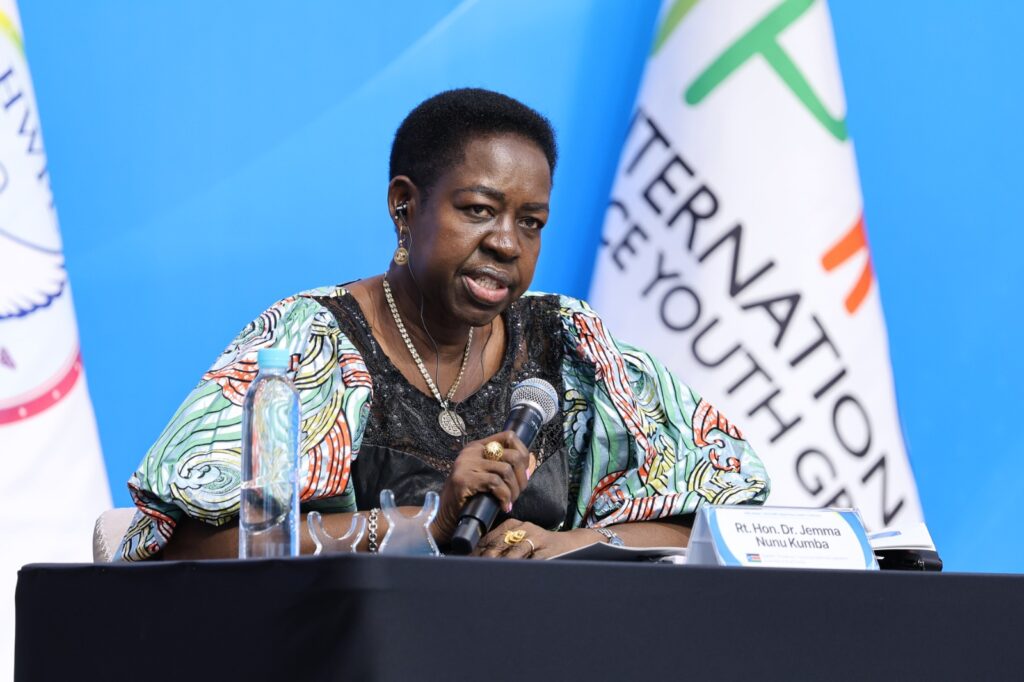
Former Speaker of Parliament Hon. Jemma Nunu Kumba said her support for the DPCW was shaped by her experience of displacement during South Sudan’s civil war and the repeated failure of peace agreements to deliver lasting stability.
She argued that government resources alone cannot address all the challenges associated with implementing peace agreements, particularly the return and resettlement of displaced people.
“Government resources by themselves are not enough to implement peace agreements. The DPCW is now an important tool for us. It complements the government’s efforts and provides a practical framework for resettling the many displaced people who must return home,” Kumba said.
Lawrence, who chairs the parliamentary Standing Committee on Peace and Reconciliation, also linked his advocacy for peacebuilding to his family history.
His father was described as the sole surviving member of the negotiating team involved in the 1972 Addis Ababa Agreement and later devoted his life to peace efforts.
Drawing on that legacy and South Sudan’s history of conflict, Lawrence has advocated for nationally led peacebuilding supported by legal institutions and shared values.
“Our country has never tasted the sweetness of peace. We have experienced enough war, and it has destroyed generations of our people. It is now time to try peace,” Lawrence said.
He added that the DPCW’s 10 articles and 38 clauses focus on human rights and values that he believes are important for South Sudan’s peacebuilding efforts.
The adoption of the resolution places the DPCW within South Sudan’s parliamentary record, although its practical impact will depend on how the principles are incorporated into the country’s existing peacebuilding and legal processes.