Rwanda is expanding the use of technology in healthcare to improve the collection and analysis of health data, support faster decision-making and provide timely medical services to citizens.
The Ministry of Health says the use of medical technology, modern equipment, collaboration among healthcare professionals and telemedicine helped Rwanda reduce maternal deaths by 30% in 2025.
The development was highlighted on September 30, 2026, during the Africa Health Tech Summit in Kigali, which brings together health and technology experts to discuss ways of accelerating healthcare services across Africa.
The summit brought together more than 4,000 participants from 12 African countries and other parts of the world.
Africa continues to face challenges in adopting technology in healthcare. More than two million community health workers across the continent are estimated to have no access to digital technology, while more than 100,000 health facilities lack electricity and internet connectivity.
The Minister of State in the Ministry of Health, Dr. Yvan Butera, told participants that the world is facing a shortage of healthcare professionals and that technology can help address the challenge.
He said Rwanda has already started using technology in healthcare and is seeing results.
“Maternal deaths decreased by 30% last year, in 2025. This was partly because access to information about pregnant women was improved, allowing those with complications to be identified and monitored early,” Dr. Butera said.
He said technology is also important for ensuring that quality healthcare reaches people across Africa because it provides information that supports informed decision-making.
“Technology helps you access information and understand how to care for a patient individually, based on their condition and the information available about their illness,” he said.
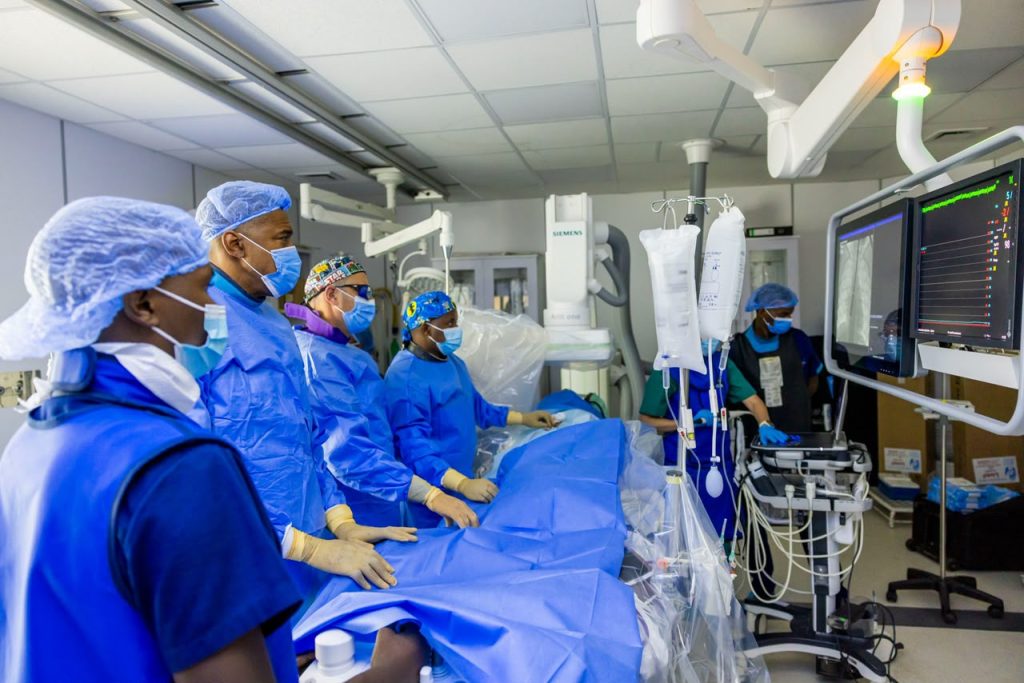
Dr. Butera added that Rwanda is using telemedicine, allowing specialist doctors to support colleagues working at other hospitals.
The programme has so far helped 13 women who were at risk of dying during childbirth.
The Ministry of Health has also established the National Health Intelligence Center, which is responsible for collecting and analysing health data to support decision-making and improve healthcare services.
Rwanda is also moving away from paper-based health records towards digital systems that allow information to be stored electronically and accessed when needed.
Through the Irembo platform, 63% of children born in health facilities are currently registered in the civil registration system immediately after birth, compared with an average of 44% across Africa.