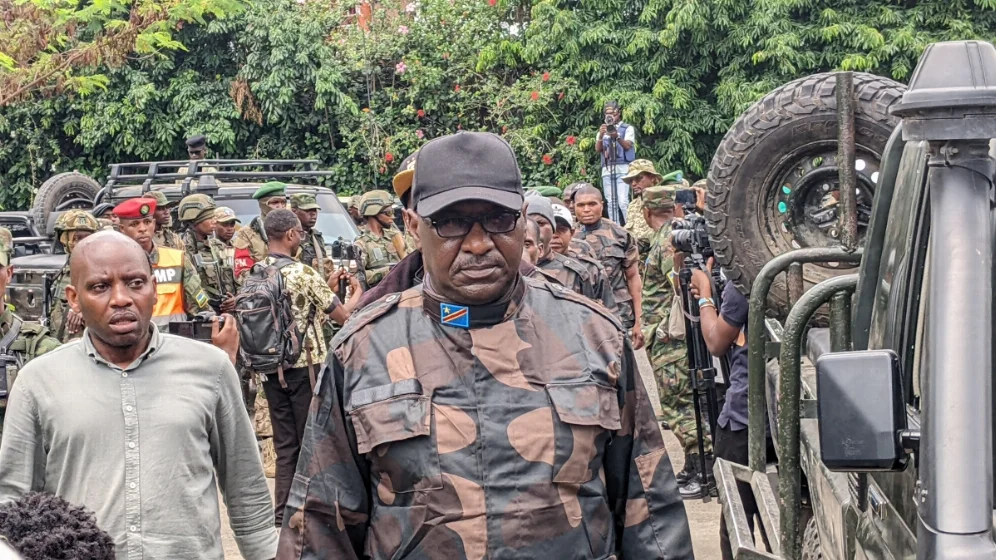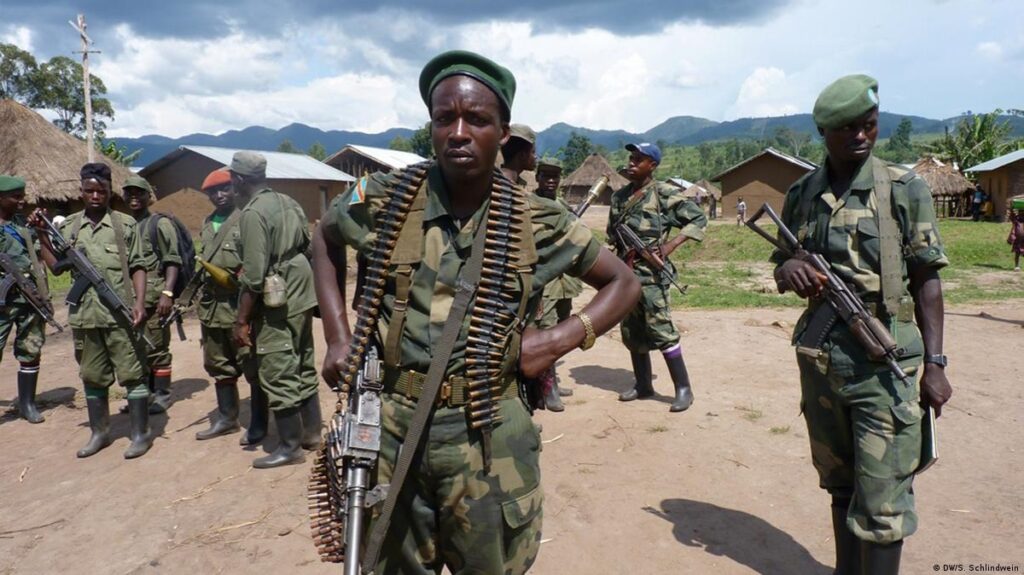
The United States has imposed sanctions on Gustave Kubwayo, also known as “Colonel Sirkoof,” a senior intelligence commander in the Democratic Forces for the Liberation of Rwanda (FDLR), as Washington intensifies pressure on armed groups operating in eastern Democratic Republic of Congo (DRC).
In a statement, the US Treasury Department said Kubwayo, who heads FDLR military intelligence and commands its special operations unit known as CRAP, was sanctioned over his alleged role in sustaining violence and instability in the region.
The measures also targeted Col Nzenze Imani, an intelligence and operations commander linked to the AFC/M23 alliance, which Washington also accused of contributing to insecurity in eastern DRC.
The sanctions include asset freezes and travel bans, effectively barring the individuals from entering the United States.
US officials said the actions are intended to support ongoing peace efforts and reinforce implementation of the Washington Accords for Peace and Prosperity, signed in December 2025 between Rwanda and the DRC under US mediation.
The FDLR, formed in 2000 by remnants of former Rwandan government forces and militia elements that fled after the 1994 Genocide against the Tutsi, remains a longstanding security concern for Kigali, which accuses the group of maintaining genocidal ideology and posing a continued threat.
Washington has repeatedly called for the dismantling of the FDLR under the terms of the peace agreement, which requires the DRC to neutralize the group while Rwanda gradually lifts defensive measures along its border once conditions are met.
As of early 2026, fighting between armed groups in eastern Congo continues despite diplomatic efforts, with US officials warning that persistent violence threatens humanitarian conditions and regional stability.
Analysts say the latest sanctions reflect a more targeted US approach toward armed group leadership, though they caution that dismantling entrenched networks such as the FDLR will require sustained coordination between regional actors and international partners.
The Washington Accords, signed in December 2025, remain the central framework guiding current peace efforts, though implementation has faced challenges amid continued clashes on the ground.