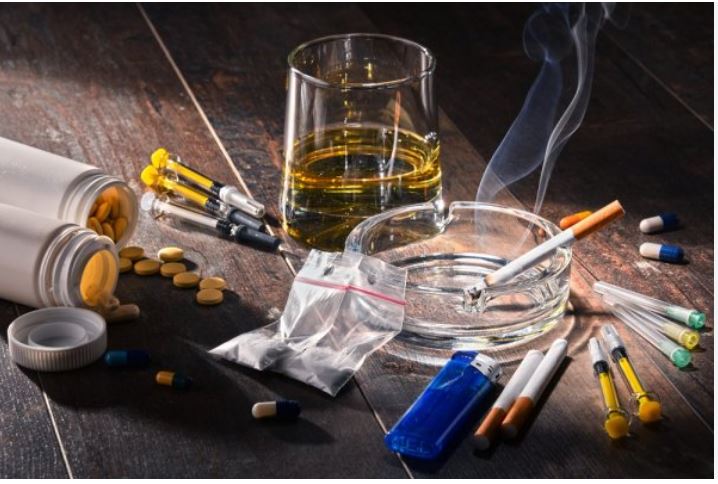
People struggling with depression and other mental health conditions are increasingly turning to drugs and alcohol in an attempt to cope with emotional pain, a practice health experts warn can worsen their conditions and create new health and social problems.
Mental health remains a growing concern in Rwanda, particularly among young people. Although the proportion of Rwandans experiencing mental health problems declined from 20.5% in 2018 to 18.6% in 2025, a significant number of people continue to struggle in silence, with some turning to substances rather than seeking professional help.
Figures cited in the report show that depression accounts for 9.1% of mental health problems, while trauma-related conditions account for 3%. Mental health problems associated with alcohol and drug use stand at 2.4%.
Young people are particularly affected. Ministry of Health figures show that 18.2% of people aged 26 to 35 experience mental health problems, compared with 13.7% among those aged 19 to 25 and 8.7% among adolescents aged 14 to 18.
Some young people develop mental health problems as a result of substance use, while others turn to drugs after experiencing depression, emotional distress or other psychological difficulties.
The Rwanda Biomedical Centre (RBC) identifies cannabis, illicit alcohol such as Kanyanga, Mayirungi, heroin, cocaine, inhalants such as petrol, unregulated alcoholic drinks and prescription medicines misused as drugs among substances used in Rwanda.
RBC warns that using drugs to self-medicate depression does not address its underlying causes. Instead, substance use can deepen mental health problems and expose users to addiction and other health and social consequences.
The link between depression and substance use is also recognised globally. Research cited in the report indicates that about one-third of people living with depression use drugs or consume excessive amounts of alcohol in an attempt to self-medicate or ease emotional distress.
The World Health Organization (WHO) has also reported that adolescents with depression are twice as likely to engage in substance use as those without depression.
Meanwhile, 53% of people experiencing dependence on substances such as cannabis, cocaine or heroin are reported to have co-occurring serious mental health conditions, including depression.
Research by the UK-based National Confidential Inquiry into Suicide and Safety in Mental Health (NCISH) in 2025 found that among people with mental health problems who died by suicide, 47% had alcohol-dependence problems, while 38% were using other drugs.
Mental health specialists say people often begin using drugs or consuming large amounts of alcohol because they want to relax, escape emotional pain or temporarily forget their problems.
But what may initially appear to provide relief can become a cycle of dependence that makes the underlying mental health condition more difficult to treat.
Rwanda’s tough penalties for drug offences
Rwanda’s laws impose strict penalties for drug-related offences, including the use, possession, production, cultivation, transportation, storage, distribution and sale of illegal drugs.
A person convicted of using certain prohibited drugs can face imprisonment of between one and two years.
The penalties are significantly heavier for people involved in producing, cultivating, processing, transporting, storing, distributing or selling drugs.
For highly dangerous drugs, those convicted can face life imprisonment and a fine of between RWF20 million and RWF30 million.
Drugs are classified according to their level of seriousness. Highly dangerous drugs include cocaine, heroin, cannabis and opium.
Other substances classified as serious drugs include shisha, Mayirungi, Rwiziringa and electronic cigarettes commonly known as vapes.
A person convicted of cultivating, possessing, processing, transporting, storing or selling drugs in this category can face between 20 and 25 years in prison and a fine ranging from RWF15 million to RWF20 million.
However, health authorities emphasise that people struggling with addiction or mental health problems need access to treatment and support rather than relying on substances to manage their symptoms.
The message from health experts is clear: drugs may appear to offer temporary relief from emotional pain, but using them to cope with depression can ultimately deepen the problem.