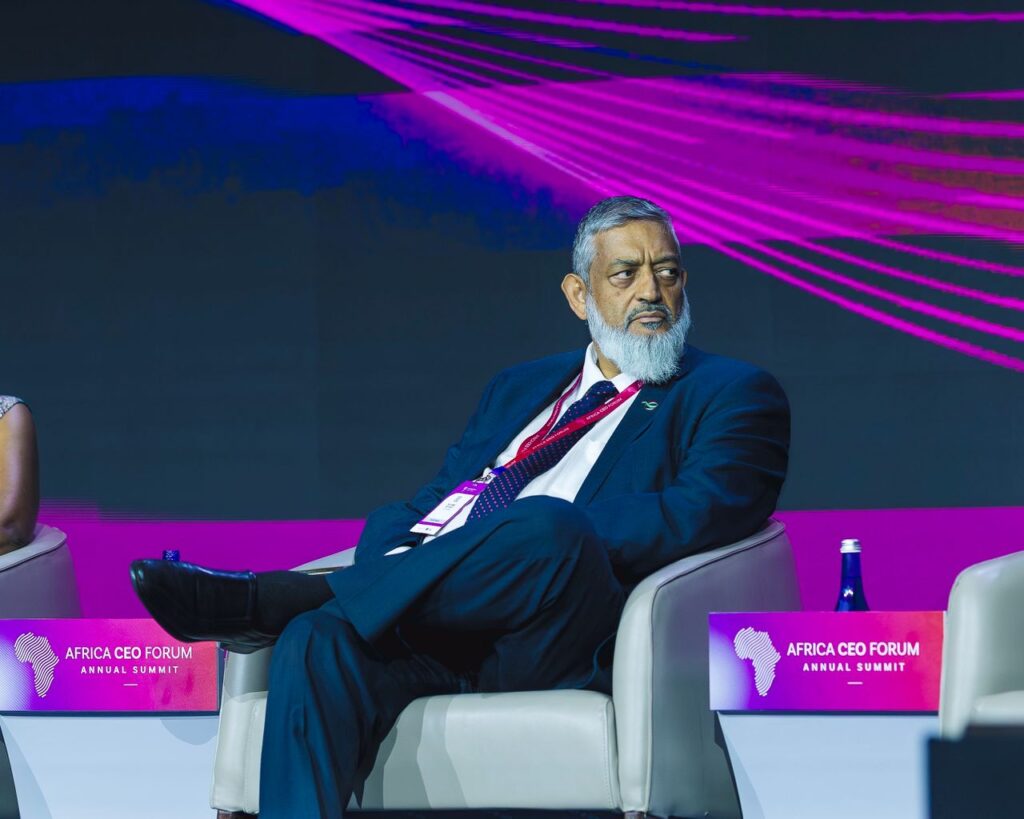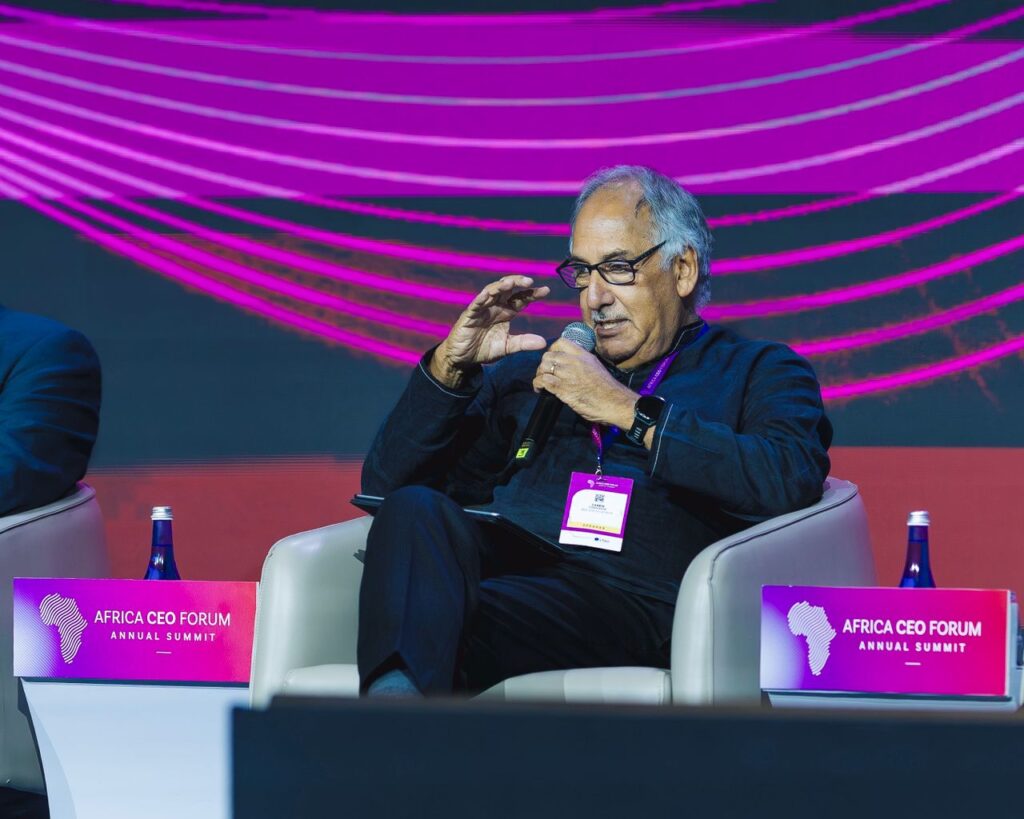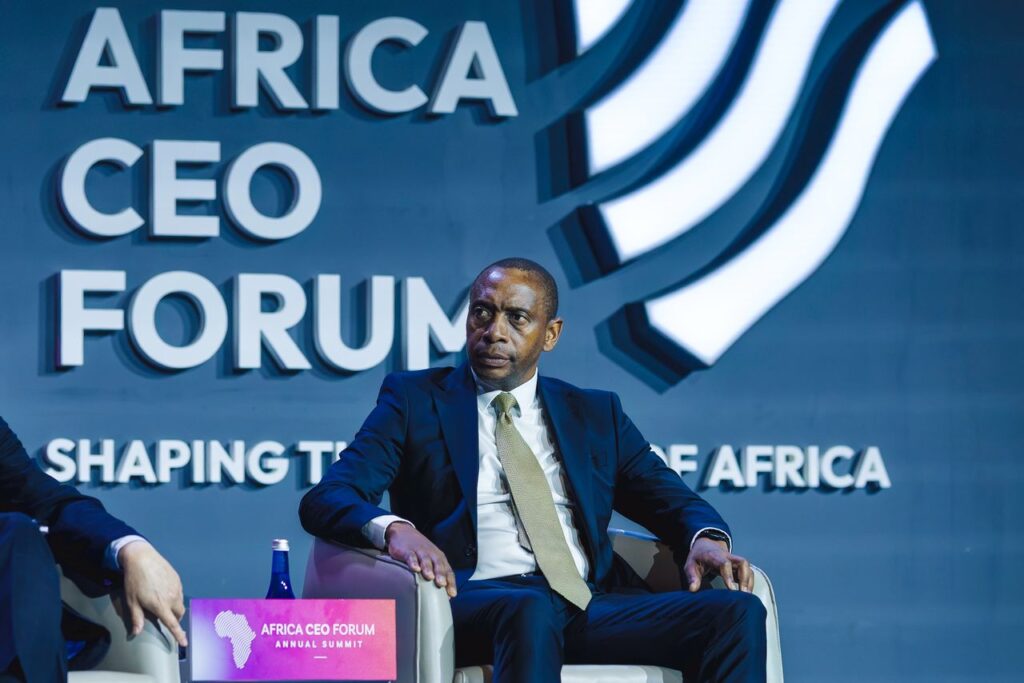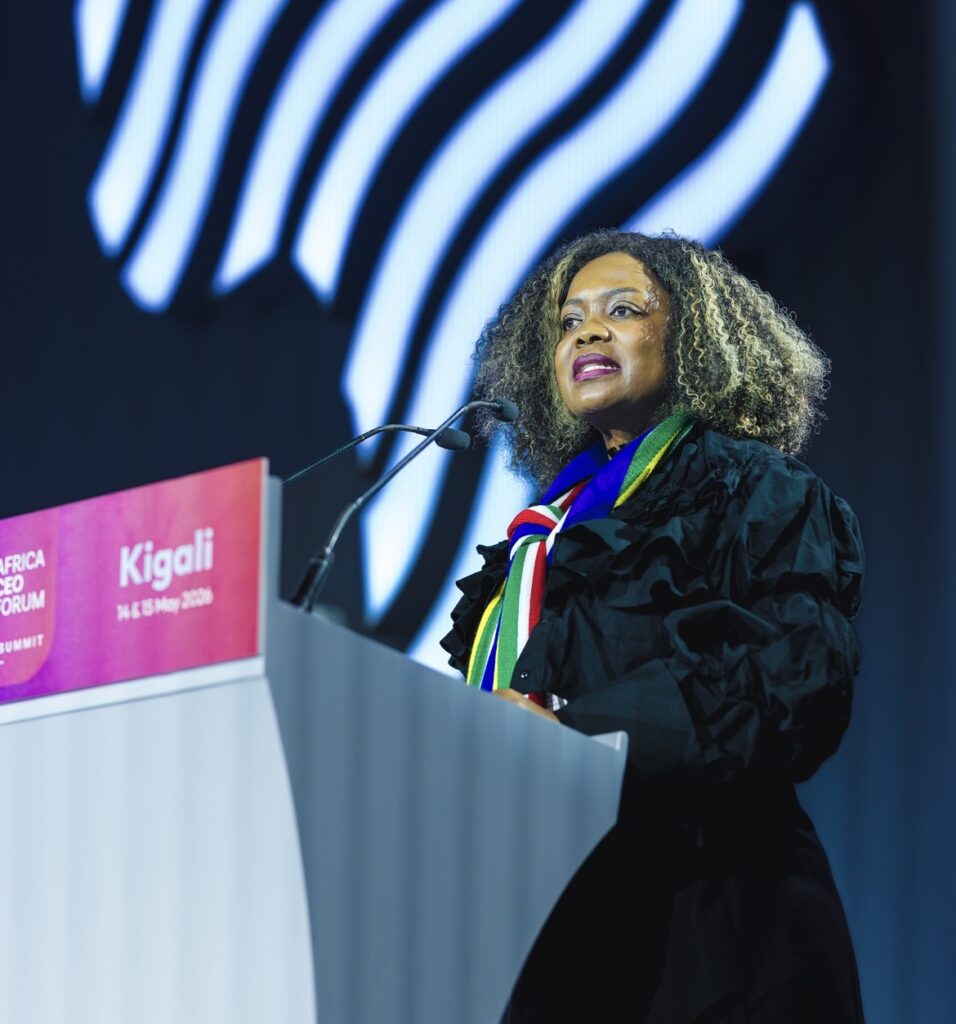
At the recently concluded Africa CEO Forum in Kigali, one message stood out clearly from the South African delegation that Africa’s future growth will depend on countries working together, strengthening regional trade, and building confidence among investors.
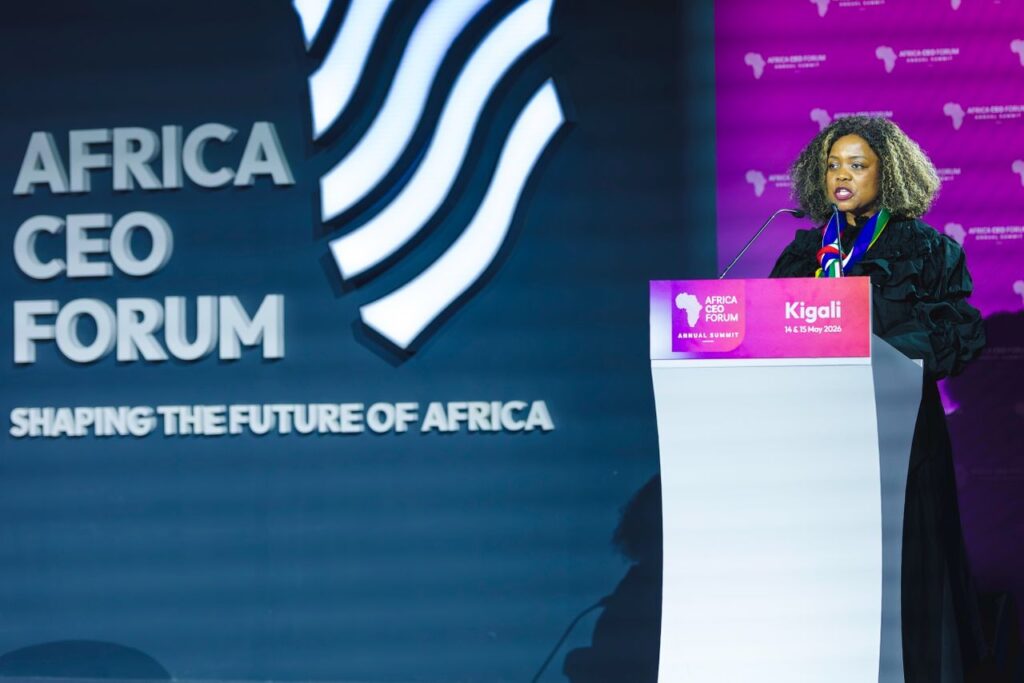
Leading that message was Mmaphuthi Rankapole, Chief Marketing Officer of Brand South Africa, who delivered an energetic presentation on why investors should look to South Africa as a gateway to continental opportunity.
But beyond promoting her country, Rankapole’s message also carried lessons for Rwanda and other African nations seeking to attract investment, create jobs, and position themselves in the rapidly changing global economy.
Changing Africa’s Narrative
Speaking before business leaders, policymakers and investors from across the continent, Rankapole argued that Africa’s biggest challenge is no longer a lack of opportunity, but rather how the world perceives the continent.
“Africa is one of the world’s fastest-growing regions,” she said. “The problem is the gap between what Africa is and what the world continues to believe.”
According to her, negative international narratives about instability and risk continue to discourage investment and raise the cost of doing business in many African countries.
For Rwanda, this message strongly resonates. Over the years, Rwanda has invested heavily in promoting itself as a stable, clean and business-friendly country. South Africa’s approach shows that shaping international perception is now as important as building roads, industries and financial systems.
Rankapole described perception as “an economic asset,” explaining that positive international confidence can directly influence investment flows, tourism and talent attraction.
Why South Africa is positioning itself as Africa’s investment hub
During her presentation, Rankapole highlighted several reasons why investors continue to choose South Africa.
She pointed to the country’s advanced infrastructure, diversified economy, strong banking sector, developed logistics systems and industrial base. South Africa also benefits from extensive transport networks, modern financial markets and access to continental and international trade agreements.
She noted that South Africa remains Africa’s most industrialised economy and home to major sectors including mining, automotive manufacturing, agriculture, finance and technology.
In an interview after the session, Rankapole explained that the country is now focusing strongly on future-oriented sectors.
“The biggest advantages that we are focusing on right now are renewable energy, agriculture and the digital economy,” she said.
She added that South Africa has spent years building infrastructure and developing skilled human capital, creating a foundation for partnerships with other African countries.
“We are ready for collaborations with other countries because we now have something of value to offer,” she said.
Lessons for Rwanda and Regional investors
For Rwandan investors and entrepreneurs attending the forum, South Africa’s strategy offers several important lessons.
First, economic diversification matters. While South Africa has historically been known for mining and manufacturing, the country is now investing heavily in renewable energy and digital infrastructure to remain competitive in the global economy.
Rwanda has similarly positioned itself as a technology and innovation hub in East Africa. Experts at the forum noted that deeper collaboration between countries like Rwanda and South Africa could create stronger African value chains in sectors such as fintech, clean energy, logistics and digital services.
Rankapole praised the African Continental Free Trade Area, saying it has the potential to connect African economies and harmonise business operations across borders.
For Rwanda, which has consistently promoted regional integration through the East African Community and continental trade partnerships, the success of AfCFTA could create wider export markets and easier movement of goods, services and talent.
Rankapole also acknowledged that African countries are increasingly competing to become attractive destinations for investment.
She cited Rwanda as an example of a country improving the speed and efficiency of doing business, including company registration systems.
“As the world is moving and getting better in certain aspects of investing, we also need to keep up our pace,” she said.
Her comments reflected a growing reality across Africa where investors now compare countries based not only on natural resources, but also on efficiency, governance, infrastructure and innovation.
This competition could benefit the continent as governments push reforms to attract capital and create employment opportunities for young populations.
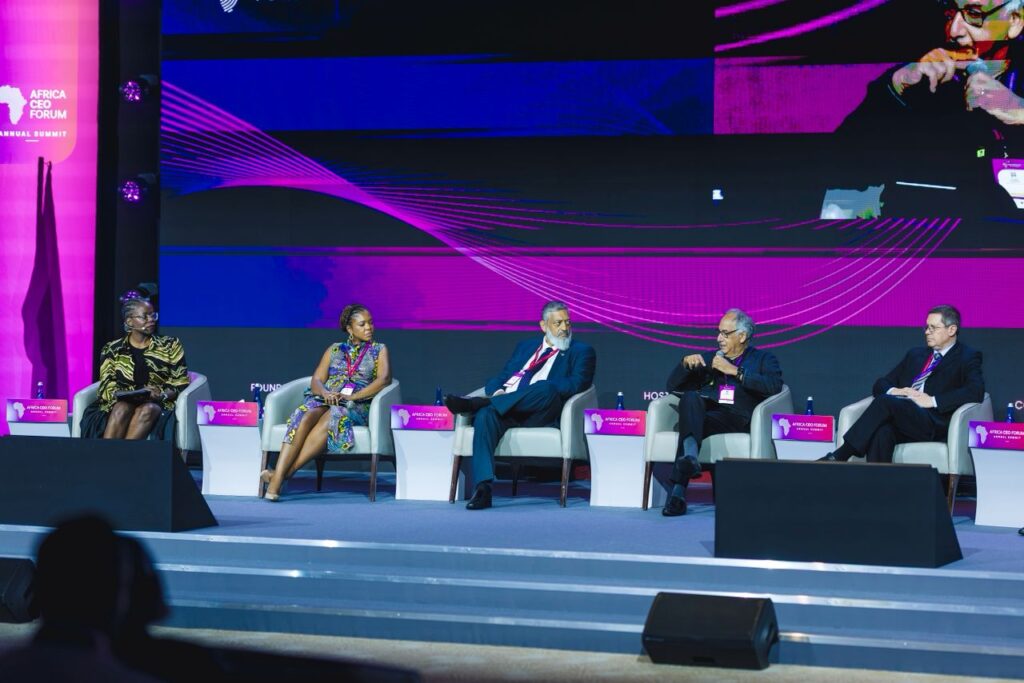
One of the central themes of the Africa CEO Forum was the need to build strong African companies capable of competing globally rather than operating in isolated national markets.
Rankapole said forums like the Africa CEO Forum help countries correct outdated perceptions and connect directly with decision-makers.
“The biggest thing we need to do is to give people the right information about what Africa has to offer,” she said. “When they experience us directly, they become advocates for our continent.”
For Rwanda, the message was clear, Africa’s future growth will depend not only on national reforms, but also on partnerships between African countries that can collectively attract global investment and shape a stronger continental narrative.