Rwanda has taken a major step toward positioning itself as an active player in the global carbon market, following the introduction of new regulations that define how carbon-related projects and payments will be managed in the country.
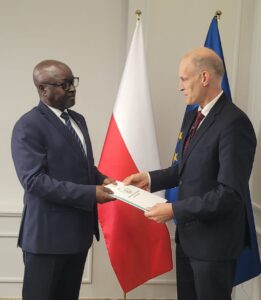
On January 13, 2026, the Minister of Environment, Dr. Bernadette Arakwiye, signed regulations establishing a clear framework for payments tied to services offered under Rwanda’s carbon market.
The move signals the government’s intent to attract climate finance while ensuring transparency, accountability, and environmental integrity.
Rwanda eyes carbon markets to finance climate action
The carbon market is a global mechanism rooted in international climate agreements, notably the Paris Agreement, which requires countries to reduce greenhouse gas emissions. While industrialized nations are expected to cut emissions domestically, many fall short of their targets. As a result, they are allowed to finance emission-reduction projects in developing countries and, in return, purchase carbon credits generated by those initiatives.
Rwanda, which contributes just 0.03% of global greenhouse gas emissions, is seeking to tap into this system by developing credible projects that reduce or remove carbon dioxide from the atmosphere. These projects can then generate tradable carbon credits for sale on international markets.
Why the new regulations matter
According to the Ministry of Environment, the newly adopted regulations are designed to standardize how payments are structured for carbon market projects and agreements in Rwanda. They aim to promote transparency, fairness, and professionalism in the governance of carbon trading activities.
The regulations apply to all projects implemented under Article 6 of the Paris Agreement, which governs international cooperation on carbon markets. Article 6 allows countries to work together voluntarily to meet their climate targets—known as Nationally Determined Contributions (NDCs)—in a cost-effective manner that delivers global climate benefits.
Specifically, Article 6.2 enables countries to transfer emission reductions, referred to as Internationally Transferred Mitigation Outcomes (ITMOs), while Article 6.4 establishes a UN-supervised mechanism similar to the former Clean Development Mechanism (CDM), allowing countries to generate and trade carbon credits.
All revenues from carbon transactions in Rwanda will be deposited into the National Fund for Environment and Climate Change (FONERWA), commonly known as the Rwanda Green Fund, which finances environmental protection and climate resilience projects nationwide.
Projects expected to drive carbon credits
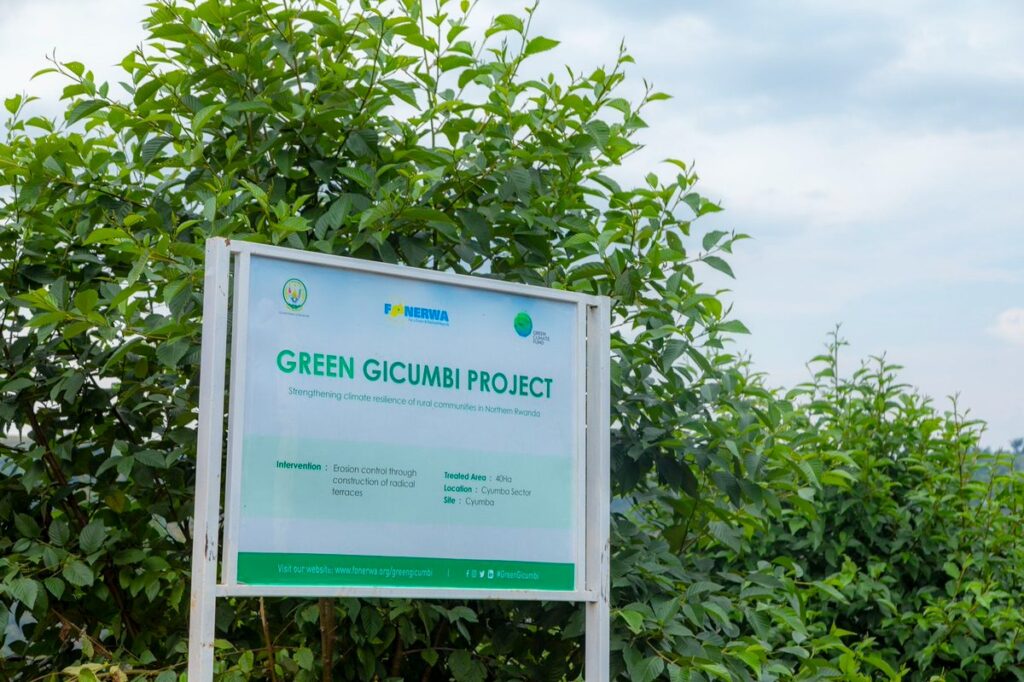
Several initiatives are already being positioned to feed into the carbon market. These include the Green Gicumbi landscape restoration project, expanded use of biogas cooking stoves, deployment of electric buses, afforestation and reforestation programmes, and other clean-energy interventions.
Environmental expert Dr. Abias Maniragaba told UMUNOTA that such projects are central to Rwanda’s carbon market ambitions.
“When communities plant trees, forests naturally absorb carbon dioxide,” he said. “Biogas projects under REG reduce dependence on traditional fuels, which directly cuts emissions.”
Globally, the Paris Agreement aims to reduce at least 80 billion tonnes of carbon dioxide by 2050, a target that has significantly increased demand for high-quality carbon credits.
Where Rwanda expects to benefit
Experts say Rwanda’s gains from the carbon market will depend on the scale, credibility, and measurability of its emission-reduction projects. As the number of compliant projects grows, so too will the country’s ability to attract climate finance.
“The more Rwanda invests in verifiable mitigation projects and adheres to international standards, the more competitive it becomes in the carbon market,” Dr. Maniragaba explained. “Once the system is well understood, participation extends to everyone—from households planting trees to institutions investing in clean energy.”
Although Africa accounts for only about 4% of global emissions, the continent holds significant potential for carbon mitigation projects, making countries like Rwanda attractive destinations for climate investment.
Transport emissions remain a key challenge
National reports submitted to the UN Framework Convention on Climate Change (UNFCCC)—including Rwanda’s Third National Communication (2018) and First Biennial Update Report (2021)—show that the transport sector, particularly cars and motorcycles, is the largest source of greenhouse gas emissions in the country.
A 2017 study by the Rwanda Environment Management Authority (REMA) also identified vehicle emissions as the leading contributor to urban air pollution.
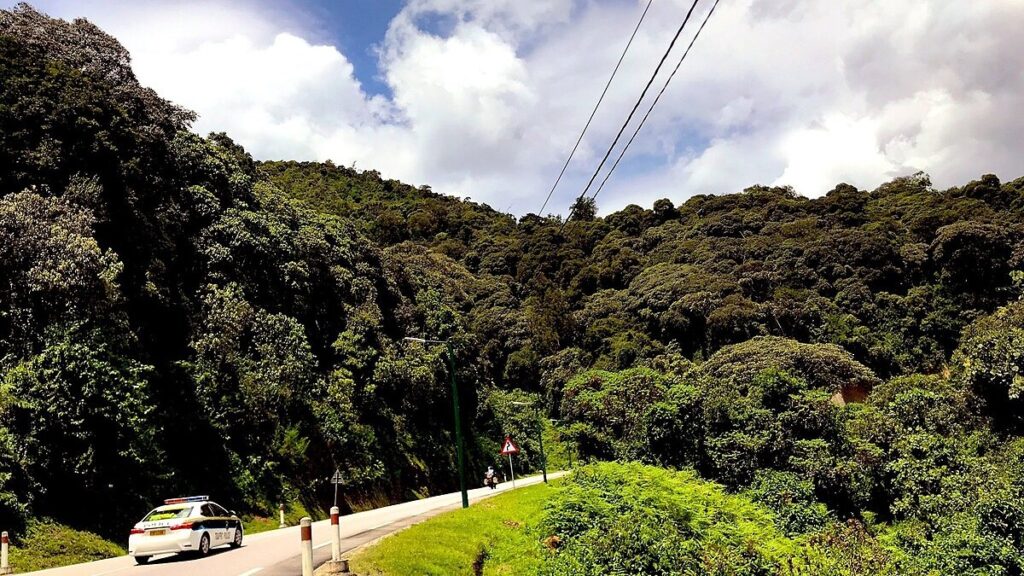
In response, Rwanda has set ambitious targets to electrify its transport sector. By 2030, the government aims for 20% of public transport vehicles, 30% of motorcycles, and 8% of private cars to be electric.
Balancing climate goals and economic returns
Rwanda has committed to cutting its greenhouse gas emissions by 38%, equivalent to 4.6 million tonnes of CO₂, by 2030.
Achieving this goal is expected to cost approximately USD 11 billion, a figure the government hopes to offset in part through carbon market revenues.
With a robust regulatory framework now in place, Rwanda is betting that carbon markets will not only support its climate commitments but also unlock new streams of green finance—turning climate action into an economic opportunity.