Sickle cell disease is an inherited blood disorder that can cause severe health complications, particularly when it is not detected and treated early.
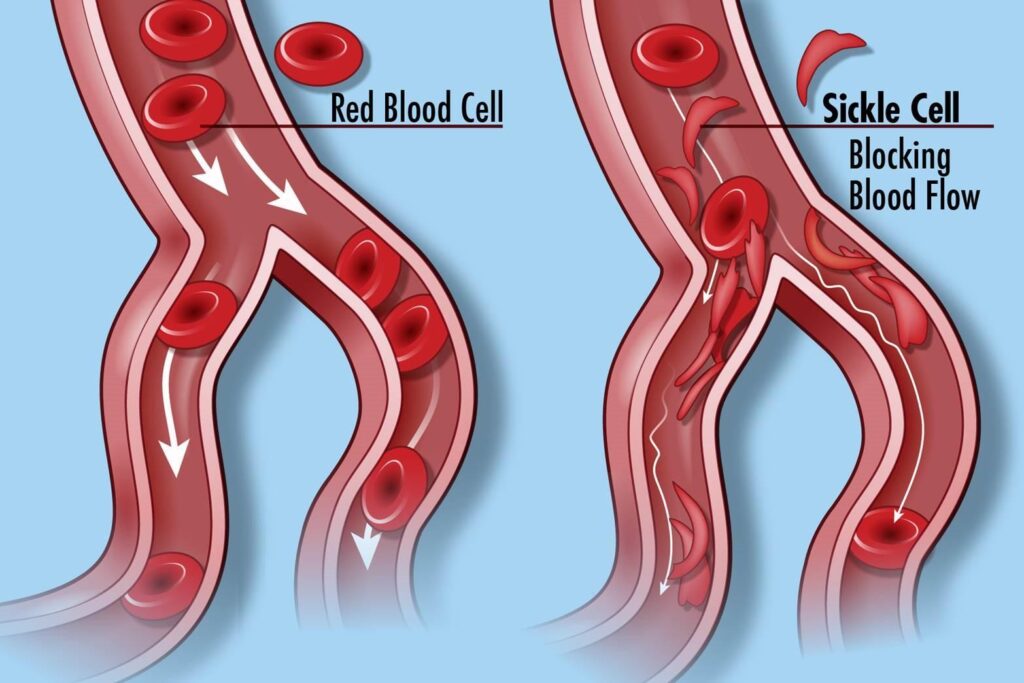
The condition is caused by genetic changes affecting haemoglobin, the protein in red blood cells responsible for carrying oxygen around the body. In people with sickle cell disease, red blood cells can become abnormally shaped, making it harder for them to move through blood vessels and sometimes causing blockages.
These blockages can lead to severe pain, anaemia, organ damage and complications such as stroke.
Prof. Dr. Joseph Mucumbitsi, a paediatric specialist, said sickle cell disease is inherited from parents and can cause severe illness when a child receives the affected genes from both parents.
“Sickle cell disease is inherited from the parents. When you inherit it from only one parent while the other is healthy, you do not develop severe disease. But when both parents have it, the child can be born with the severe form and begin showing symptoms,” he said.
Mucumbitsi warned that children whose condition is not identified and managed early can face serious complications, including severe anaemia, poor growth and recurrent infections.
He said many couples may not know they carry the genetic trait because they have not been tested before having children.
“When a child is born with the disease and is not monitored, they can develop serious problems, including recurrent infections, anaemia, severe pain, poor growth and even death before the age of five,” he said.
Rwanda steps up awareness and testing
Dr. Ntaganda Vedatse, an official in the non-communicable diseases department at the Rwanda Biomedical Centre (RBC), told RBA that awareness activities are being planned to encourage people to get tested and to strengthen healthcare workers’ knowledge of the disease across the country.
Early diagnosis is considered important because it allows children with sickle cell disease to receive appropriate care and monitoring before serious complications develop.
The condition can cause repeated episodes of severe pain, anaemia, fatigue, swelling of the hands and feet, frequent illness, delayed growth, vision problems and stroke.
Sickle cell remains a major challenge in Africa
Data from the Africa Centres for Disease Control and Prevention (Africa CDC) indicates that sickle cell disease remains a significant health challenge in Africa, particularly in sub-Saharan Africa.
The agency estimates that nearly 300,000 children are born with the condition each year, with many dying before the age of five because of delayed diagnosis and inadequate access to appropriate care.
The World Health Organization (WHO) estimates that about 7.74 million people worldwide were living with sickle cell disease in 2021, while approximately 515,000 children were born with the condition that year. Nearly 80% of people living with sickle cell disease are estimated to be in sub-Saharan Africa.
WHO estimates that sickle cell disease contributed to about 81,100 deaths among children under five in 2021.
In Africa, between 50% and 80% of children born with sickle cell disease may die before reaching five years of age, particularly due to infections, severe anaemia and other complications associated with the disease.
WHO stresses that early diagnosis can help improve monitoring and prevent serious complications.
In May 2026, WHO issued its first dedicated guideline on the diagnosis, prevention and treatment of sickle cell disease among children and adolescents aged 0 to 19.
For families, health experts say awareness and early testing remain important tools in identifying children at risk and ensuring they receive appropriate care.