April 26, 1994 marked the 20th day of the 100-day Genocide against the Tutsi, as killings intensified across different parts of the country under the genocidal regime.
On this day, mass killings were reported in several parishes, while thousands of Tutsis who had sought refuge at ISAR Rubona in the former Butare Prefecture were also massacred.
Before the Genocide, ISAR Rubona, located in the former Ruhashya Commune, had become a major refuge site for Tutsis fleeing violence from areas including Gikongoro, Maraba, Ruhashya, Rusatira, Mbazi, and Mugusa. Many who attempted to flee to Burundi were intercepted and redirected to the site, where they joined others, including employees of the institution, seeking safety.
However, attackers drawn from these same areas later pursued the refugees. On the morning of April 26, assailants stormed ISAR Rubona, joined by gendarmes, soldiers, and communal police, and began killing Tutsis throughout the day and night.
The following day, the then Prefect of Butare, Sylvain Nsabimana, briefly intervened, instructing the attackers to halt the killings. Survivors were moved to Gakera, at the foot of Mont Rubona, where they attempted to rebuild makeshift shelters, believing the violence had ended. Days later, on May 2, attackers returned and killed those who remained.
To date, not all victims killed at ISAR Rubona have been recovered and given a dignified burial.
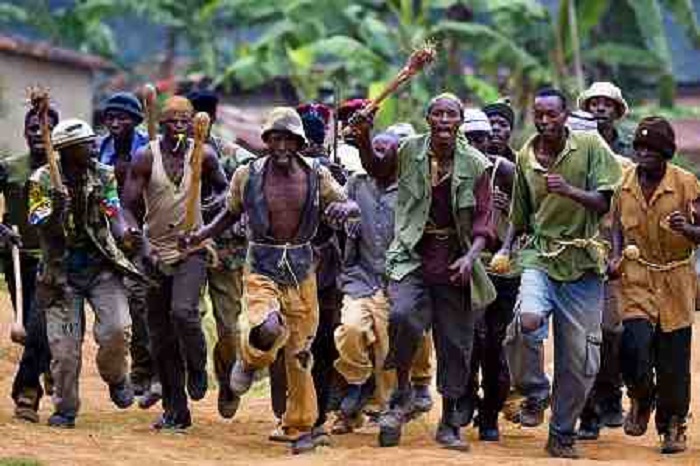
Elsewhere, killings were also reported at Mugina Parish in present-day Kamonyi District, which had sheltered Tutsis fleeing from Bugesera, Kigali City, and surrounding areas. Despite initial resistance—reportedly supported by then mayor Callixte Ndagijimana, who opposed the violence—the refugees were eventually overpowered. Many were killed using firearms and grenades, before attackers resorted to traditional weapons including machetes, spears, and stones.
In Karongi, Birambo Catholic Parish became another site of mass killings. Violence in the area had begun shortly after the death of the then head of state, as extremist militias and Interahamwe launched attacks, looted property, and burned homes.
On April 26, a coordinated assault led by local authorities—including Mayor Kabasha, councillors Munyankindi Cyprien and Mugabonake, Member of Parliament Sebitabi Alphonse, and Prosecutor Kwizera Aaron—alongside militias and security forces, resulted in the brutal killing of remaining Tutsis in Birambo. An estimated 6,000 people were killed in the attacks.
In Ruhango, killings were also carried out at Kigoma Commune, where Tutsis had gathered believing they would be protected, while others had been lured there under false promises of safety.
On and around April 26, more than 475 Tutsis were killed. Victims from sectors including Gahombo, Mukingo, Kiruri, and Ngwa were assembled and executed at a roadblock near the commune office, with bodies dumped in mass graves nearby.
Massacres were also reported at Tambwe Commune in Ruhango, where more than 20,000 Tutsis were killed. Many had sought refuge at the commune office, sub-prefecture, and nearby church. Witness accounts indicate that killings were systematically carried out, and victims’ bodies were later dumped in pits and trenches in surrounding pine forests.