A new study by the National Examination and School Inspection Authority (NESA) has revealed a significant learning gap in Rwanda’s education system, showing that many primary school pupils can read fluently but struggle to understand what they read.
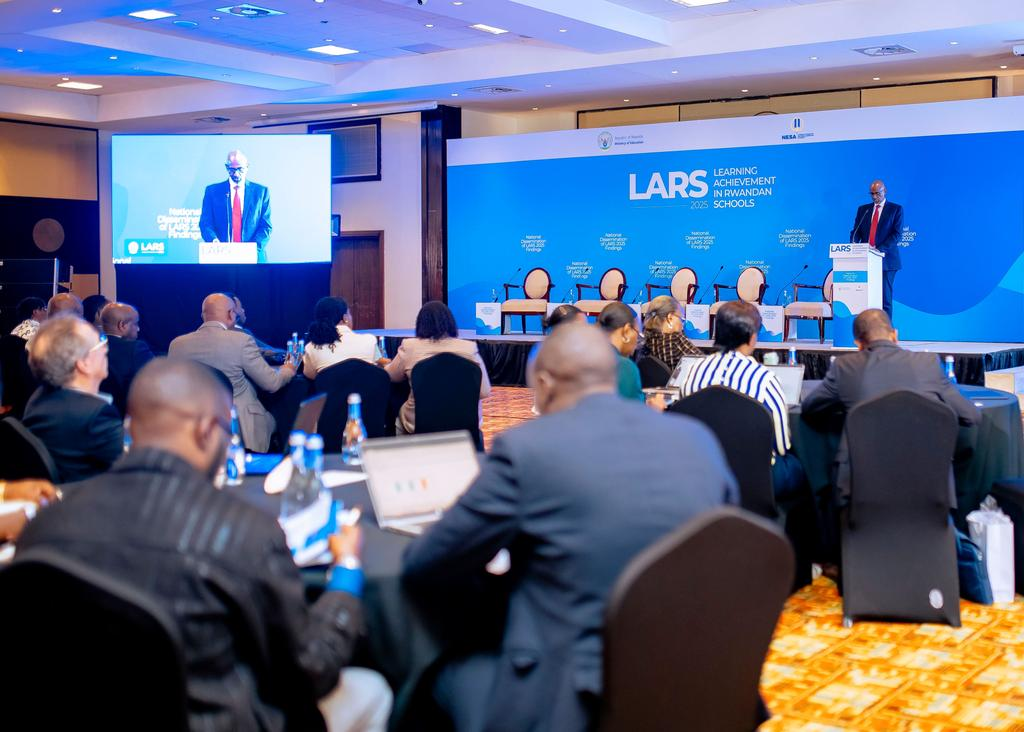
The findings were presented during the launch of the Learning Achievement in Rwandan Schools (LARS) survey, which assesses the quality of teaching and learning across the country.
Conducted in May 2025 and released on June 15, 2026, the study covered 592 schools across all districts and assessed 22,950 learners in Primary Three, Primary Six and Senior Three. It focused on Kinyarwanda, English, mathematics and science.
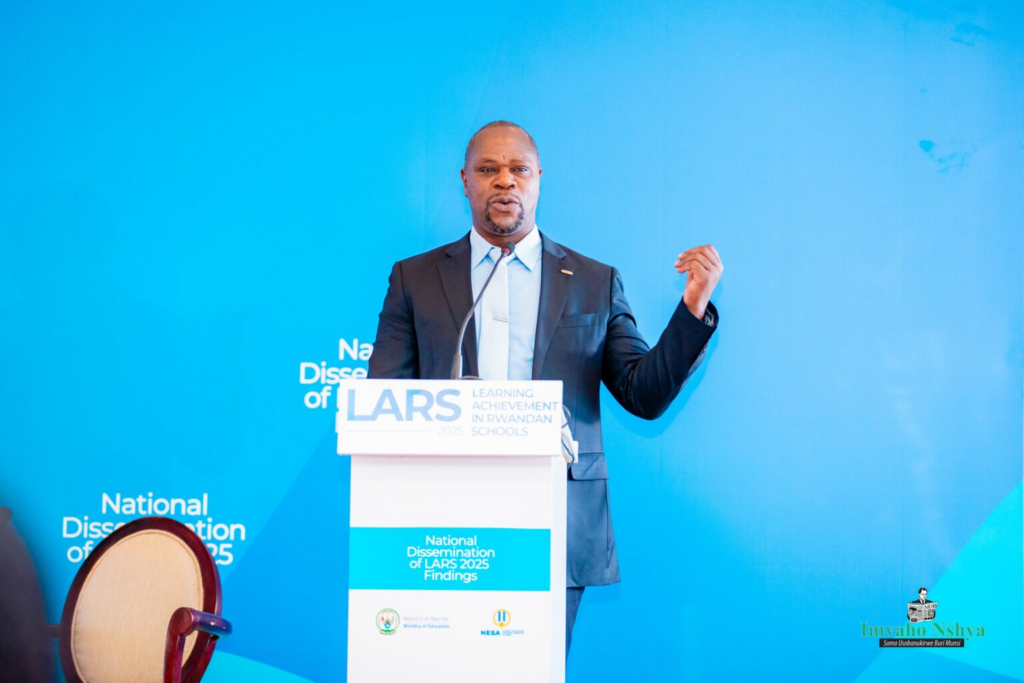
According to NESA Director General Dr Bernard Bahati, the results highlight a persistent challenge in reading comprehension, particularly in language learning.
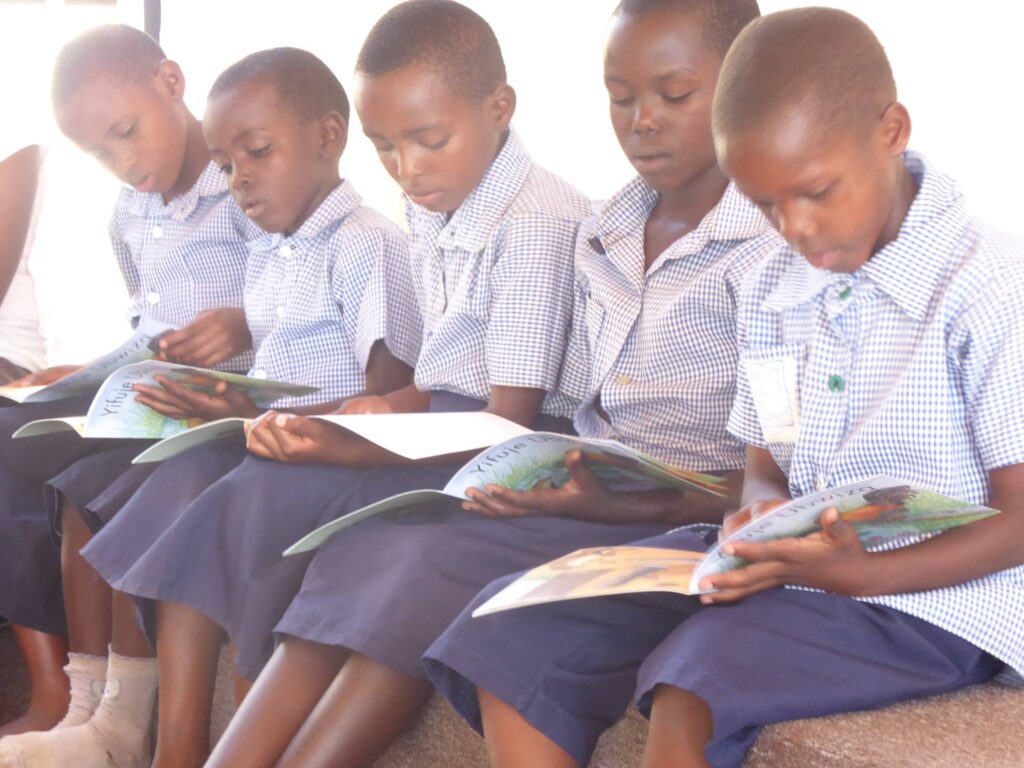
He said that in Primary Three, 49 percent of learners were able to read 35 Kinyarwanda words per minute, while 71 percent could read them within sentence context. However, only 44 percent demonstrated comprehension of what they had read.
“This is a serious challenge. Children are reading, but when you ask them what they have read, only 44 percent can correctly explain it,” Dr Bahati said.
The problem was even more pronounced in English, where 76 percent of Primary Three pupils struggled to answer comprehension questions based on reading passages. A similar gap was recorded among 72.5 percent of Primary Six pupils.
In mathematics, performance was comparatively stronger, with 63 percent of Primary Three learners meeting expected competency levels, rising to 68.7 percent in Primary Six and 57.5 percent in Senior Three.
However, only 15 percent of pupils were able to correctly solve basic operations such as addition, subtraction, multiplication and division, while performance remained low in geometry-based questions.
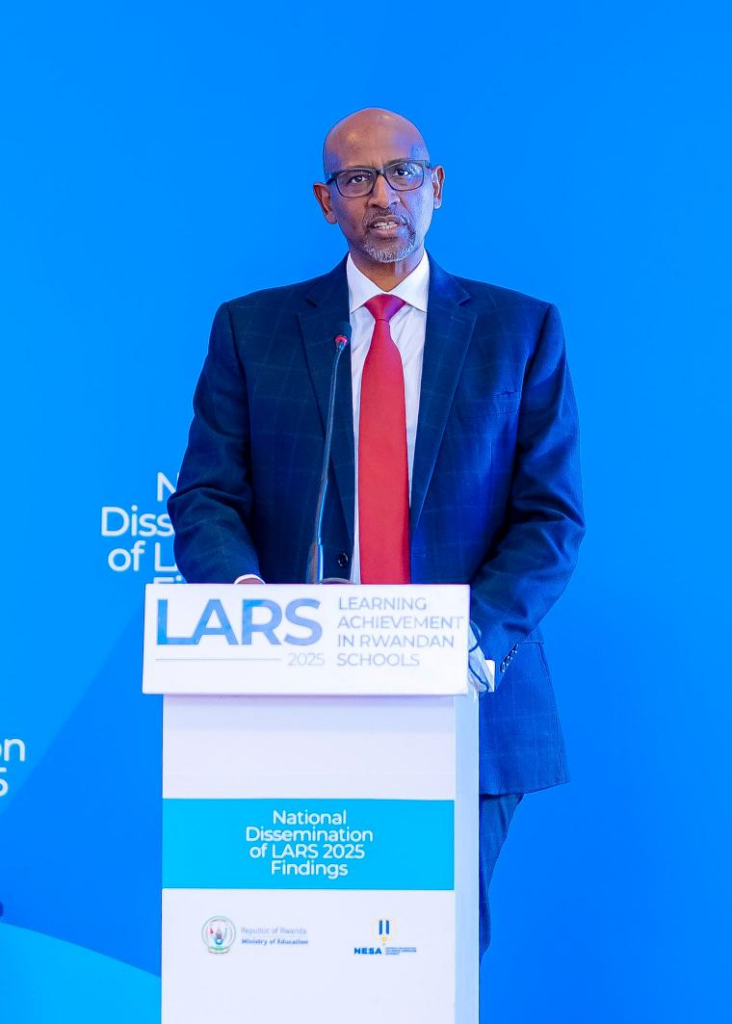
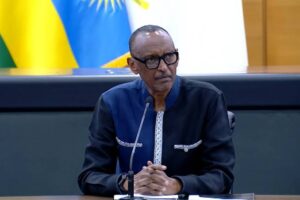
Minister of Education Joseph Nsengimana acknowledged progress in the education sector but said key challenges remain, particularly in reading comprehension and foundational learning skills.
“This is something we must urgently address, because if a learner does not understand the question, they cannot answer it correctly,” he said.
He called on education stakeholders to use the findings to strengthen teaching methods and improve learning outcomes.
Nsengimana noted that the LARS study is conducted every two years and is intended to guide evidence-based policy decisions aimed at improving education quality.
“What this study gives us is not just numbers, but a mirror reflecting the state of our education system,” he said.
The LARS survey has been conducted since 2011 as part of the Ministry of Education’s efforts to identify learning gaps and improve the overall quality of education in Rwanda.