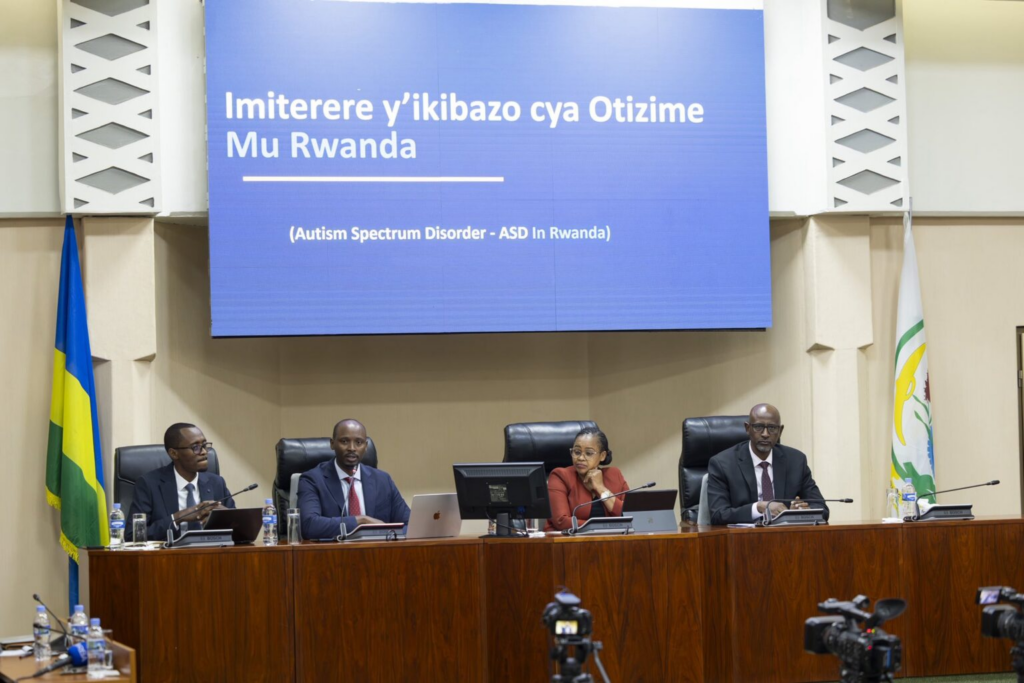
Senate President Dr François Xavier Kalinda has called on government institutions to strengthen tailored support for children with autism, particularly in healthcare and education.
He made the remarks on June 17, 2026, during a consultative meeting bringing together senators, government officials, and health experts to assess interventions addressing autism spectrum disorders.
Autism is a neurodevelopmental condition that affects communication, social interaction, and behaviour. Signs typically emerge in early childhood, often between 8 months and 2 years of age.
Dr Kalinda said the issue requires sustained attention and coordinated action from all relevant institutions.
“Autism is a serious issue for the country. We will continue following up on it; these discussions do not end here. We will monitor ongoing interventions, provide guidance, and ensure accountability in how government institutions are fulfilling their responsibilities,” he said.
Senator Umuhire Adrie, Chairperson of the Senate Committee on Social Affairs, Education, ICT and Youth, said autism remains widely present but is still poorly understood in many communities.
She expressed concern that some families fail to recognize the condition as a medical disorder, instead attributing it to spiritual or traditional causes, which delays access to care.
“In some cases, parents believe it is caused by spiritual factors or other non-medical explanations. As a result, they do not seek medical care and instead turn to traditional practices,” she said.
Health sector data shows that nearly 800 people sought autism-related services in 2024, rising to more than 1,000 in 2025, indicating growing awareness and increased use of health services.
Dr Darius Gishoma, Head of Mental Health at the Rwanda Biomedical Centre (RBC), said the trend reflects improving awareness and a gradual increase in early diagnosis and care-seeking behaviour.
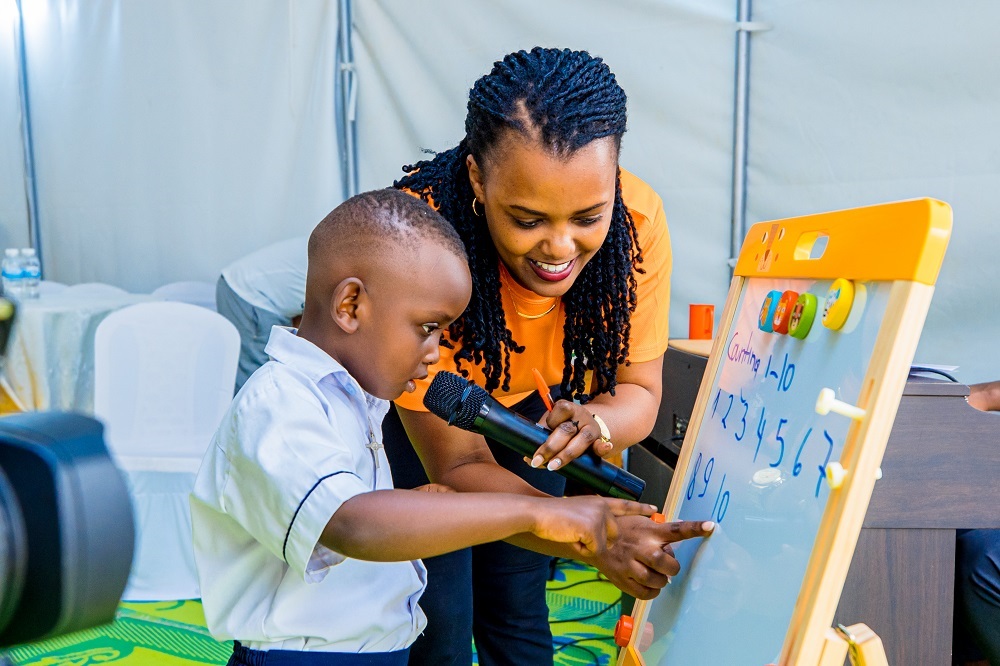
Minister of Education Joseph Nsengimana reaffirmed government commitment to inclusive education, noting that efforts are underway to ensure children with autism can access appropriate learning environments.
Under the National Strategy for Transformation (NST2), the government plans to establish inclusive schools in each province to support learners with autism and other disabilities who require specialized education settings.
Research further indicates that boys are more frequently diagnosed with autism spectrum disorders than girls.