June 25, 1994 marked one of the darkest moments in the history of the resistance mounted by Tutsi survivors in Bisesero during the 1994 Genocide against the Tutsi. On that day, Aminadabu Birara, a revered community leader who helped organize the defense of thousands of Tutsi seeking refuge in the hills of Bisesero, was killed by genocidal forces after months of leading a determined struggle for survival.
The date fell on the 80th day of the 100-day Genocide against the Tutsi, a period during which massacres continued across the country even as the Rwanda Patriotic Front (RPF-Inkotanyi) advanced on several fronts, liberating territories and rescuing civilians targeted for extermination.
Birara was no stranger to anti-Tutsi persecution. He had survived earlier waves of violence against Tutsi in 1959, 1962, 1963 and 1973. Those experiences shaped his resolve and prepared him for the leadership role he would assume in Bisesero when the genocide began in April 1994.
As thousands of Tutsi fled to the hills seeking safety, Birara emerged as one of the key figures coordinating their defense. Under his leadership, civilians organized themselves to resist repeated attacks launched by Interahamwe militia, government soldiers and local authorities determined to wipe out the Tutsi population.
For more than a month, the defenders of Bisesero mounted one of the most remarkable acts of resistance witnessed during the genocide. Armed mostly with traditional weapons such as stones, sticks and spears, they confronted attackers equipped with firearms, grenades and military support. Despite being vastly outmatched, they managed to repel several assaults and delayed the complete destruction of the community.
The situation deteriorated as attacks intensified under the direction of local and regional authorities. Large-scale assaults were launched against the hills, bringing overwhelming force against the remaining survivors.
On June 25, 1994, Birara was fatally wounded by a grenade thrown during one of the attacks. He was 68 years old. His death dealt a heavy blow to the resistance movement, which had become a symbol of courage and determination in the face of genocide.
Although Birara did not live to see the liberation of Rwanda, his legacy endured. He is remembered as one of the heroes of Bisesero, where thousands of Tutsi chose to resist rather than surrender to their killers.
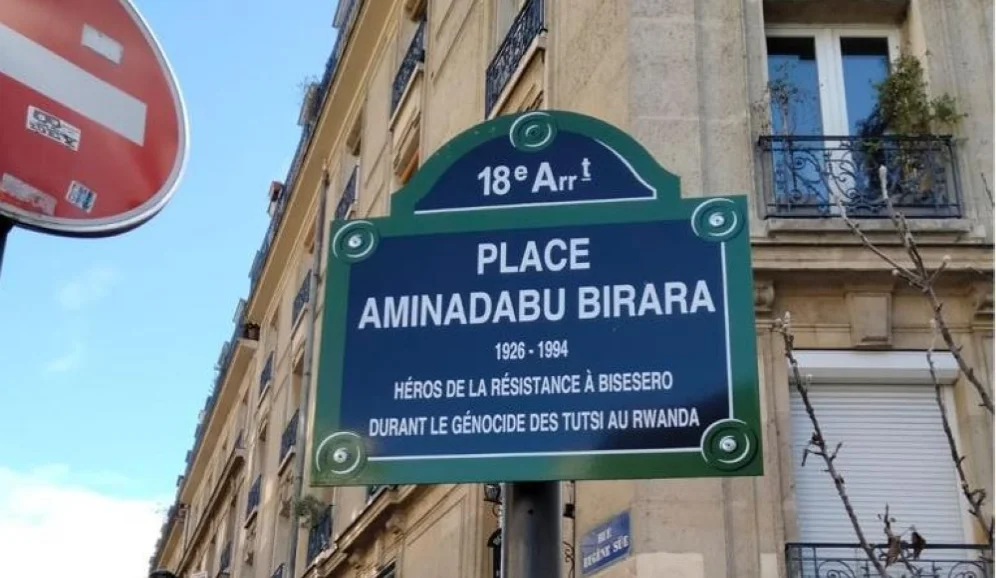
His bravery has been recognized both in Rwanda and abroad. On November 19, 2021, the City of Paris named a public square in the French capital’s 18th arrondissement after him. The site, known as Place Aminadabu Birara, honors his leadership and the resistance he helped organize during the genocide.
The tribute serves as a reminder of the courage displayed by Birara and countless others who fought to protect their families and communities during one of the darkest chapters in human history.
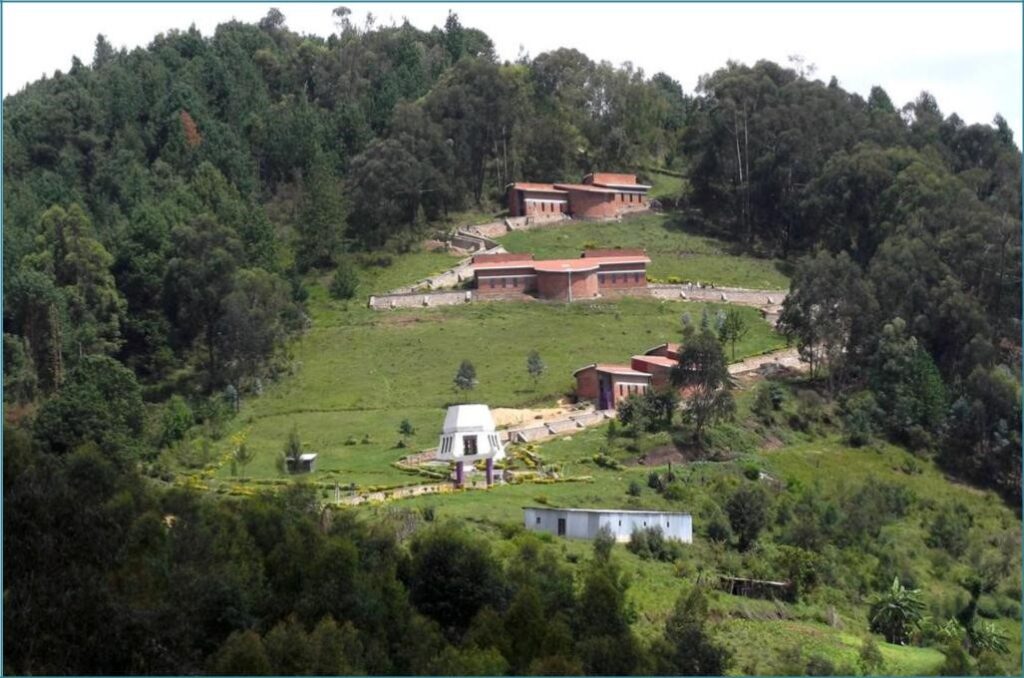
Bisesero remains one of the most significant sites of remembrance of the Genocide against the Tutsi. Historians estimate that about 50,000 Tutsi were killed there during the massacres. According to Ibuka France, fewer than 1,000 survived, making the story of the Bisesero resistance both a testament to extraordinary courage and a reminder of the devastating human cost of genocide.