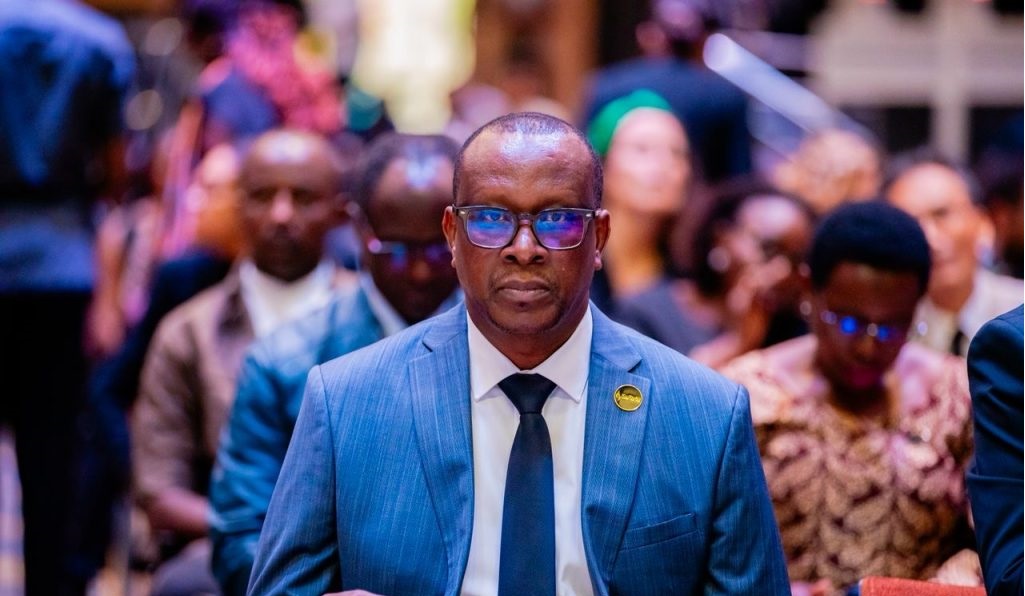
Minister of National Unity and Civic Engagement Dr Jean-Damascène Bizimana has said that 53,426 individuals convicted of genocide-related crimes were initially eligible for the death penalty before Rwanda abolished capital punishment, a decision he attributed to the country’s broader reconciliation and unity agenda.
He made the remarks during a consultative forum on the history of the 1994 Genocide against the Tutsi and the liberation struggle, organised by Unity Club Intwararumuri.
Bizimana noted that in the aftermath of the 1994 Genocide, Rwanda’s legal framework provided for the death penalty for those convicted of genocide-related offences. He said the abolition of capital punishment marked a deliberate shift toward national healing, reintegration, and rebuilding of social cohesion.
“Those 53,426 individuals were initially facing capital punishment. The President of the Republic reviewed the legal framework and chose to abolish the death penalty in order to promote unity and enable Rwandans to reintegrate,” he said.
He added that many of those who confessed to their crimes were granted reduced sentences, served their terms, and have since returned to their communities.
Bizimana also referenced broader estimates suggesting that nearly two million people were implicated in different categories of genocide-related crimes, including planners, perpetrators, and those involved in looting and destruction of property.
He said Rwanda’s post-genocide justice approach prioritized reconciliation and reintegration over mass imprisonment, arguing that it has played a key role in restoring stability and rebuilding trust within communities.
He further highlighted the reintegration of former FDLR members returning to civilian life as part of the government’s ongoing reconciliation efforts aimed at strengthening national unity.