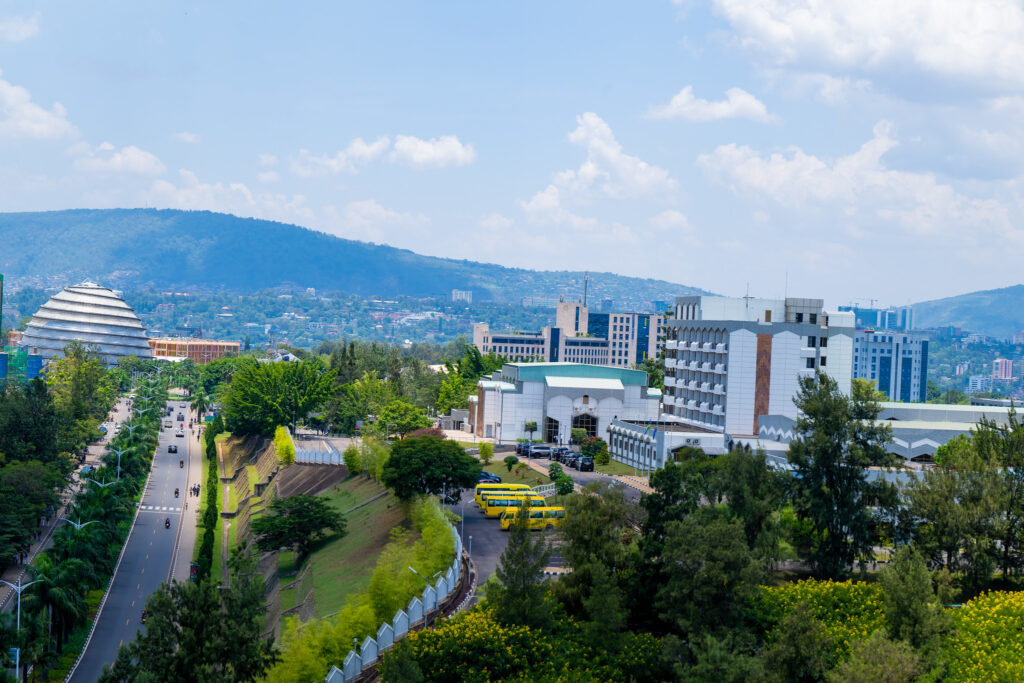
Rwanda’s Minister of Finance and Economic Planning, Yusuf Murangwa, has said the country’s economy has increased tenfold since the 1994 Genocide against the Tutsi, growing from about $1.4 billion in 1994/95 to approximately $14 billion today.
He made the remarks on Tuesday, June 30, 2026, during the “Waramutse Rwanda” television program, which examined Rwanda’s 32-year economic transformation ahead of the upcoming Liberation Day celebrations on July 4.
Murangwa said the country has recorded an average annual economic growth rate of about 8% over the past three decades, driven by post-genocide recovery efforts, policy reforms, and sustained investment inflows.
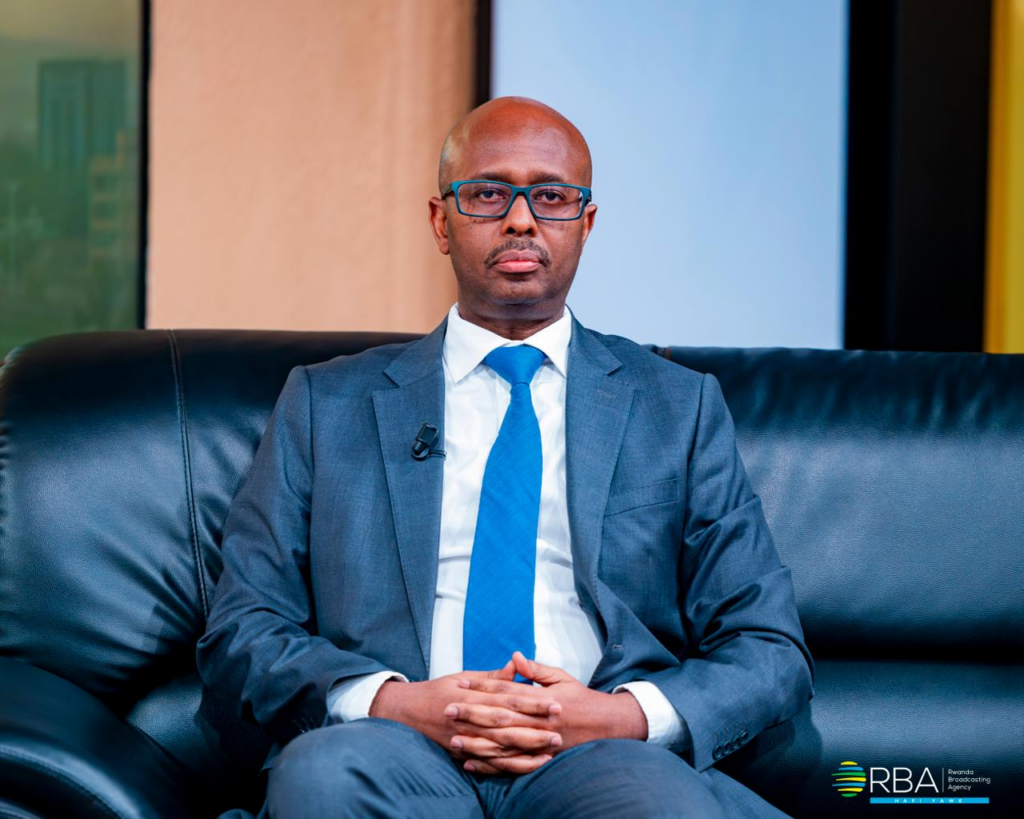
He noted that in 1994/95, Rwanda’s per capita income stood at around $200, but has now risen to approximately $1,150, reflecting significant improvements in individual economic output.
The minister attributed this growth to increasing investor confidence, macroeconomic stability, and continued expansion of infrastructure and productive sectors.
“Investor confidence in a country is very important for two reasons. First, it attracts investment because foreign investors are willing to commit capital when they trust the stability of the environment. Second, it enables the country to access financing for large-scale development projects,” he said.
Murangwa added that Rwanda’s improved economic credibility has strengthened its ability to mobilize both domestic and foreign investment, contributing to job creation, rising incomes, and improved living standards.
Private sector development was also highlighted as a key driver of growth. Business leader Denis Karera said Rwanda’s private sector had to be rebuilt almost from scratch after 1994, describing the situation at the time as one of complete collapse.
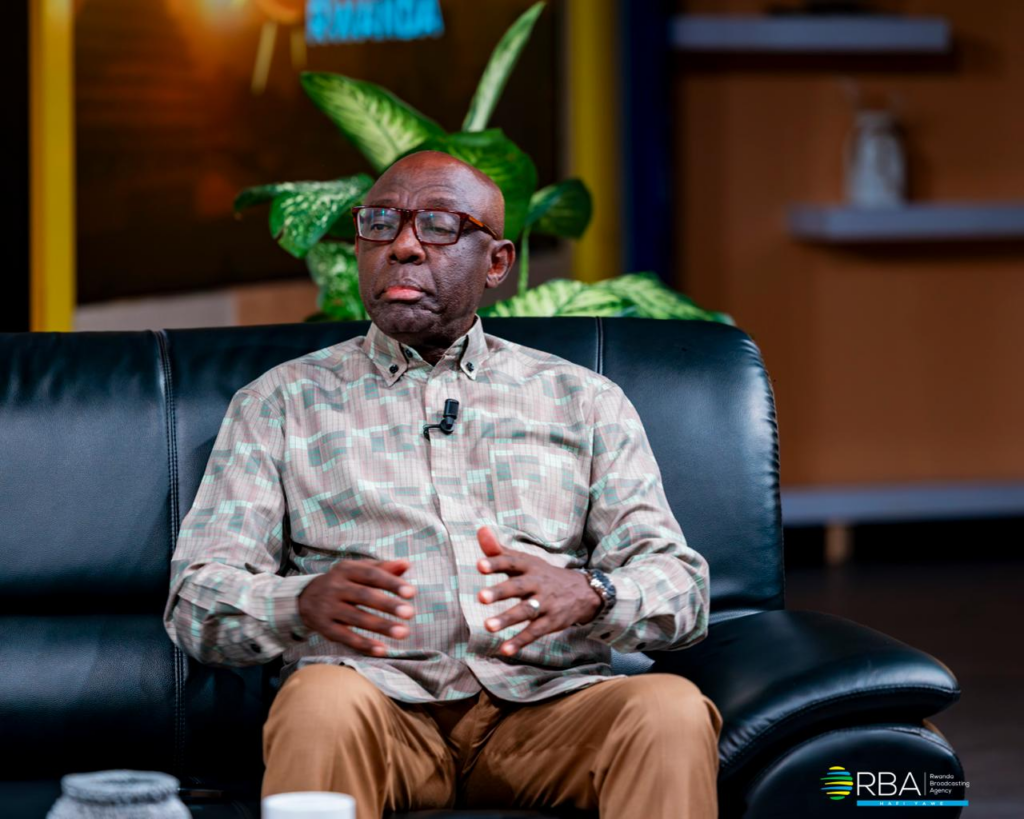
He noted that improvements in stability, currency performance, and business confidence enabled entrepreneurs to resume operations and expand into regional and international markets.
Karera also pointed to the growth of banking services and access to credit, which allowed businesses to scale up trade activities, including imports from regional hubs such as Dar es Salaam and Dubai.
He further highlighted visible transformation in Kigali’s urban development, particularly in housing, hospitality, and infrastructure, compared to the immediate post-genocide period.