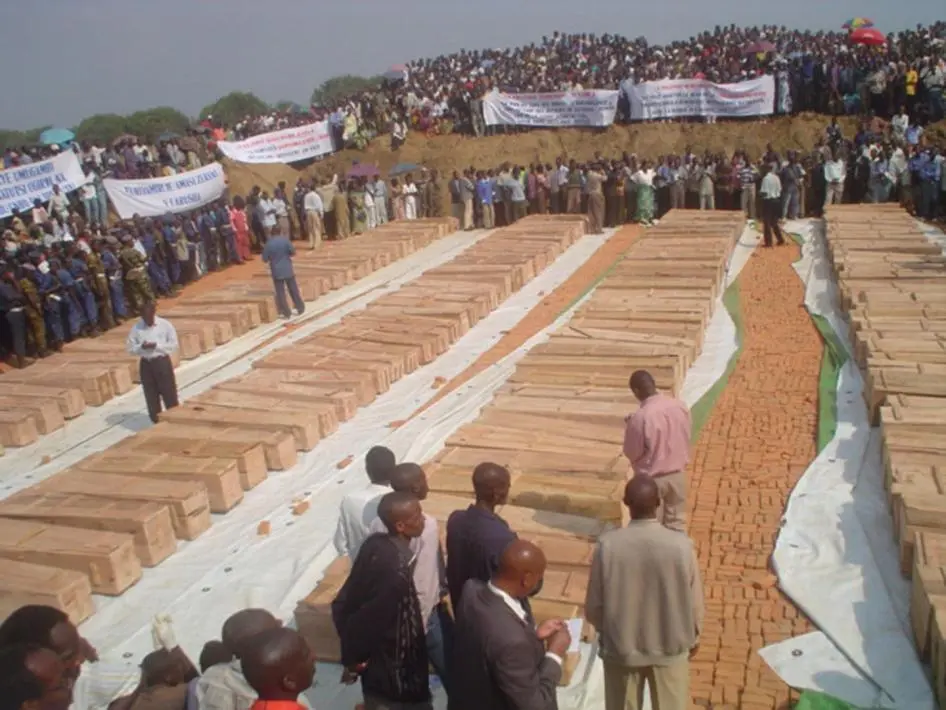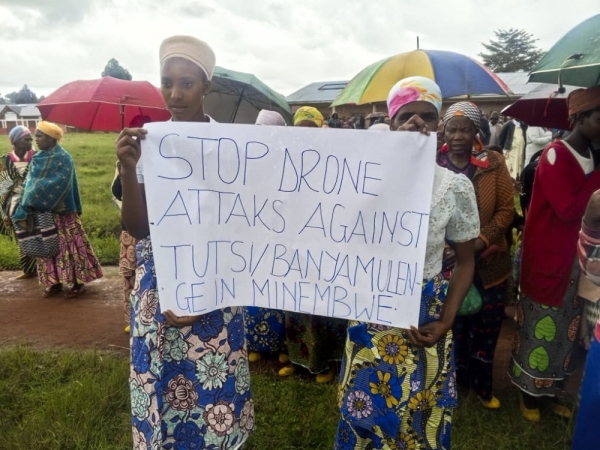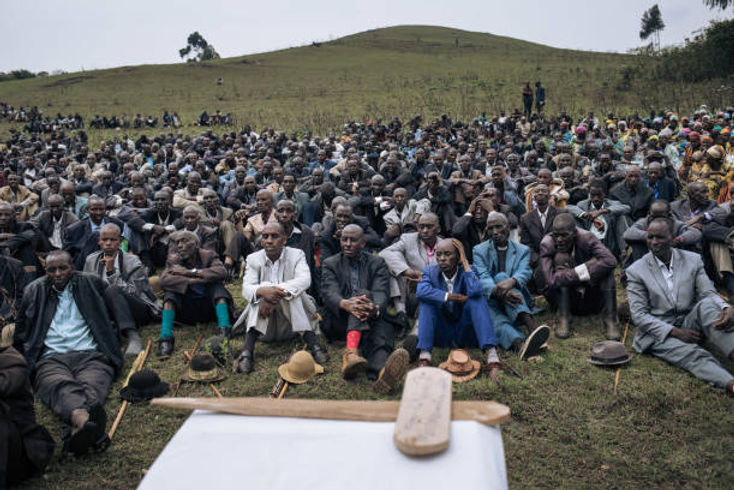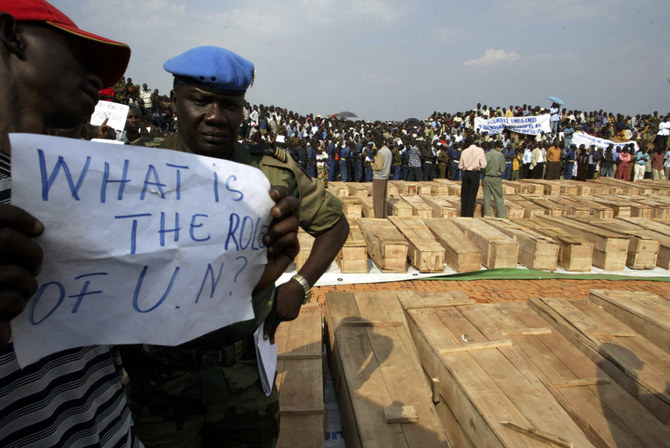
For decades, Kinyarwanda-speaking Congolese, particularly the Banyamulenge and other Tutsi communities in eastern Democratic Republic of the Congo, have decried what they describe as systematic persecution, targeted killings and collective punishment. Community leaders say their repeated appeals for protection have largely gone unanswered.
A long and contested history
The roots of the crisis trace back centuries, with Kinyarwanda-speaking pastoralists settling in eastern Congo as early as the 17th century. Colonial border demarcations during the 1884–1885 Berlin Conference further complicated identities, leaving many communities divided by newly imposed frontiers.
After Congo’s independence in 1960, tensions over land and citizenship intensified. Political actors periodically questioned the nationality of Kinyarwanda speakers, particularly during the 1964 parliamentary elections.
Although former president Mobutu Sese Seko attempted to suppress ethnic politics, subsequent legal and political shifts reignited disputes over citizenship and belonging.
The aftermath of the 1994 Genocide against the Tutsi in Rwanda marked a turning point. Armed elements that fled into Congo contributed to cycles of violence that further entrenched hostility toward Congolese Tutsi communities.
Violence resurges in 2026
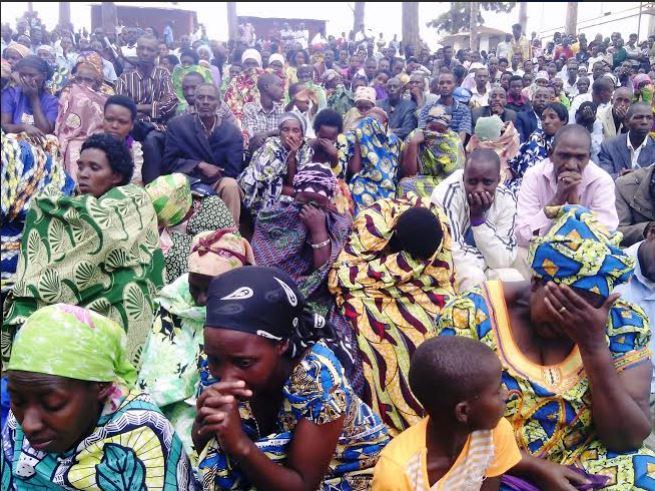
In recent months, attacks in South Kivu have intensified. Independent human rights investigations report that more than 100 Banyamulenge were killed and over 350 injured between January 16 and February 8, 2026, in Fizi, Uvira and Mwenga territories.
Armed actors allegedly involved include elements of the Congolese army (FARDC), local Mai-Mai/Wazalendo militias, the FDLR and foreign fighters. Entire villages have reportedly been looted or burned, while residents face restrictions on movement that limit access to markets, schools and healthcare.
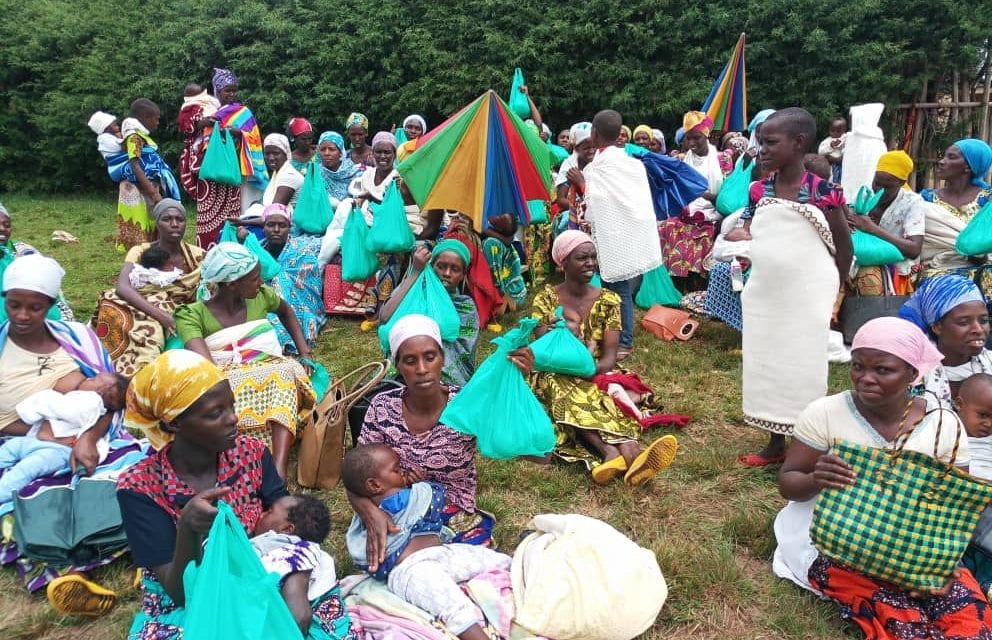
Minembwe and surrounding highlands remain flashpoints, with community representatives warning of a deepening humanitarian crisis.
International silence questioned
Banyamulenge organisations say they have repeatedly appealed to the United Nations, the African Union and key global powers, including the United States, to intervene. So far, they argue, diplomatic responses have not translated into meaningful protection on the ground.
Rwanda has accused the administration of President Félix Tshisekedi, as well as Burundi under President Évariste Ndayishimiye, of complicity in abuses, allegations Kinshasa denies.
Two Banyamulenge organisations in South Kivu have since filed a case before the East African Court of Justice, accusing Burundi of war crimes and crimes against humanity committed on Congolese soil.
As violence escalates and diplomatic efforts falter, the central question remains unresolved: who will act decisively to halt the bloodshed and restore security for one of eastern Congo’s most vulnerable communities?