April 11, 1994 remains one of the darkest and most defining days of the Genocide against the Tutsi, marked by the withdrawal of Belgian UN peacekeepers from ETO Kicukiro, where thousands of Tutsi had sought protection—an action that preceded one of the deadliest massacres in Kigali.
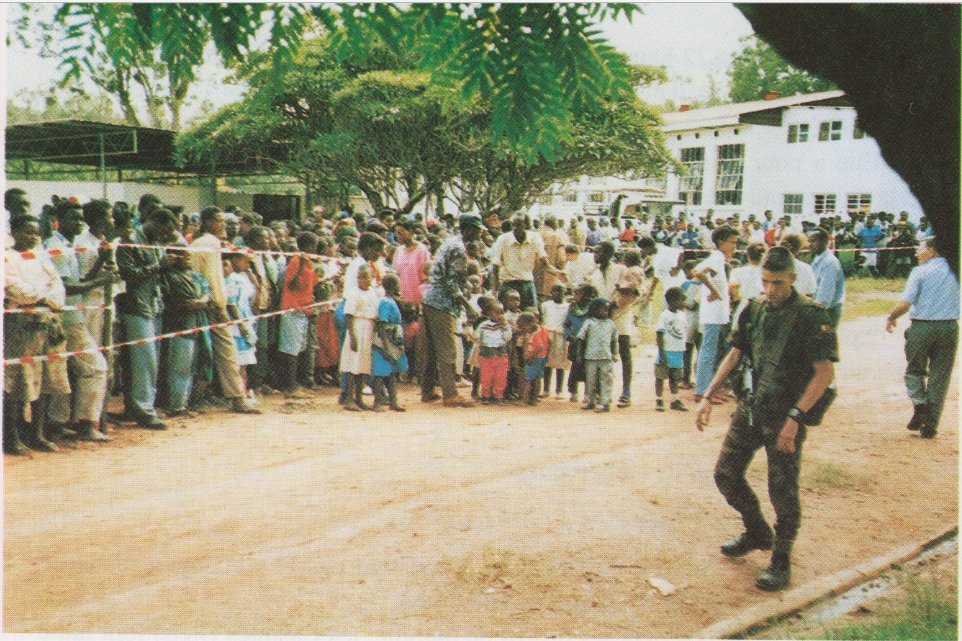
Following the downing of President Juvénal Habyarimana’s plane on April 7, killings rapidly spread across Kigali. In search of safety, thousands of Tutsi gathered at the Kigali Technical School (ETO Kicukiro), believing the presence of UN peacekeepers under MINUAR would guarantee their protection.
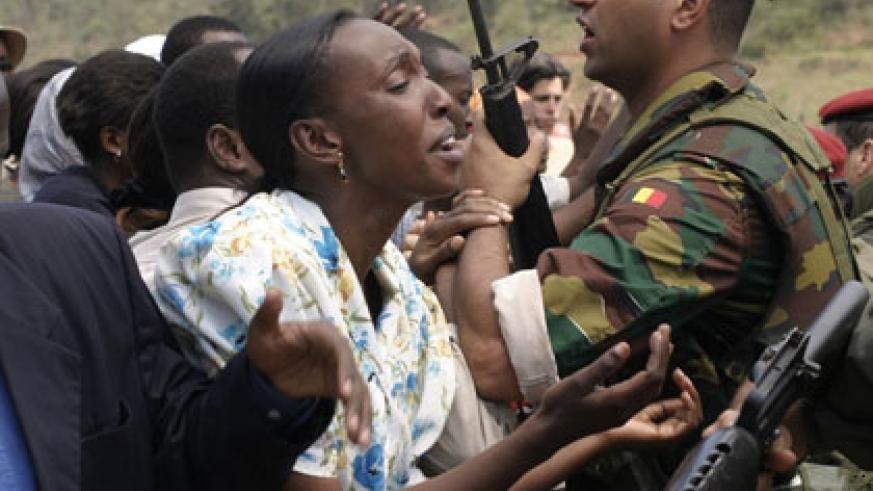
By April 11, more than 4,000 civilians were sheltering at the facility. That day, approximately 97 Belgian-led UN peacekeepers, commanded by Colonel Luc Marchal, withdrew from the site and departed for Kigali International Airport before returning to their base, leaving the civilians exposed.
The withdrawal followed Belgium’s decision to pull out its contingent after the killing of its ten peacekeepers who had been guarding Prime Minister Agathe Uwilingiyimana, who was also assassinated at the beginning of the genocide.
Before leaving, displaced civilians reportedly questioned the soldiers about their safety. The troops assured them that government forces would take responsibility for their protection.
Shortly after the UN departure, Interahamwe militia and armed groups moved in and took control of the site. The civilians were later forced out and transported to Sonatubes, where they were temporarily held.
Some intervention attempts were reportedly made by Col Léonidas Rusatira to protect civilians, including efforts linked to other refuge sites such as the CND (now Parliament) and Amahoro Stadium, where RPF forces were positioned.
However, the then Mayor of Kigali, Lt Col Tharcisse Renzaho, allegedly ordered that the group be taken to Nyanza ya Kicukiro for execution, citing concerns over visibility along the airport road.
The exhausted civilians—many weakened by days without food—were forcibly marched to Nyanza. Along the way, the elderly and vulnerable were killed, while the majority were later gathered at the execution site.
At Nyanza, the massacre was carried out with extreme brutality, including grenade attacks followed by killings using machetes by Interahamwe militia.
On April 15, survivors from areas including Nyamirambo, Cyivugiza, and Mumena, accompanied by RPF forces, returned to Nyanza to evacuate the wounded and transfer them to Rebero.
Out of more than 4,000 people who had sought refuge at ETO Kicukiro, only about 100 survived.
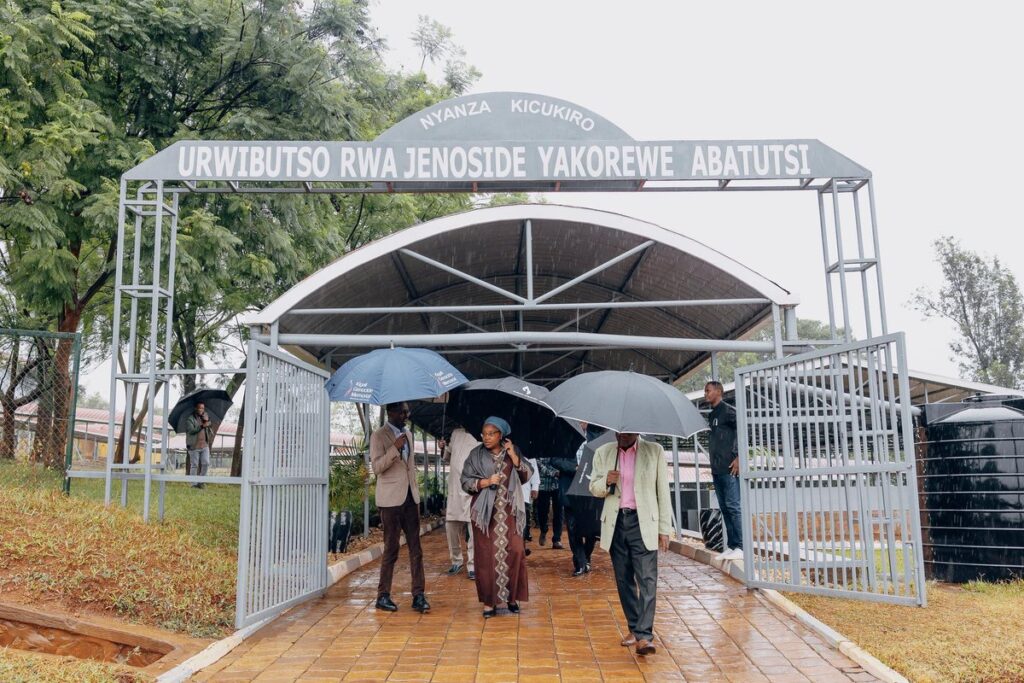
The victims are buried at the Nyanza ya Kicukiro Genocide Memorial, which also holds remains of thousands of other genocide victims.
According to the National Commission for the Fight against Genocide (CNLG), the killings at Nyanza occurred alongside coordinated massacres taking place across the country on the same day.
Other massacres on April 11, 1994
Across Rwanda, April 11 also saw large-scale killings in multiple locations:
At Kiziguro Catholic Parish, Tutsi who had been promised protection were attacked and killed between 10:00 am and 4:00 pm after days of deception.
At ADEPR Shagasha in Cyangugu (now Rusizi District), women and children who had taken refuge in the church were killed, with young boys singled out despite attempts to disguise them.
In former Gisuma commune, more than 50 Tutsi sheltering in the home of Mukandagara Odette were killed after being locked inside and attacked, while in Nyamuhunga sector more than 1,000 others were massacred following coordinated encirclement by Interahamwe and local officials.
At Hanika Catholic Parish in present-day Nyamasheke District, more than 15,000 Tutsi were killed in churches, health centers, and parish facilities after being trapped in what had been considered a place of refuge.
In Kayonza’s Mukarange sector, over 200 Tutsi sheltering at EAR Nyagatovu were also killed in an attack reportedly facilitated by local actors.