Rayon Sports and APR FC have both booked their places in the 2026 Peace Cup final, setting the stage for another high-stakes edition of Rwanda’s most followed football rivalry.
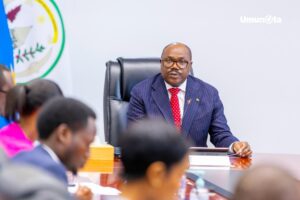
President Paul Kagame on May 13, 2026, received a high-level delegation led by Ahmed Elsewedy, President and Chief Executive Officer of Elsewedy Electric, accompanied by Hossam El Shaer, Chairman of Sunrise Resorts & Cruises.
Al Hilal SC of Sudan have been crowned champions of the Rwanda Premier League 2025/2026 season with three matches still to play, following a commanding campaign that saw them open a 14-point gap over APR FC.
Plans for the final farewell of Karasira Aimable Uzaramba, widely known as Prof. Nigga, have been announced by his family and close friends following his death earlier this month.
United Capital Financial Services Rwanda Ltd has been licensed by the Capital Market Authority (CMA) to operate as an investment bank, with the group selecting Rwanda as its East and Central Africa regional headquarters.
Police in Rwanda’s Southern Province have confirmed that they shot dead a 22-year-old man suspected of robbery and sexual assault in Gisagara District.
The Rwanda Revenue Authority (RRA) has rolled out a new digital system regulating the sale and transfer of vehicles, effectively ending privately drafted agreements in the transfer of cars and motorcycles.
Rwanda National Police has returned 500,000 Rwandan francs to Hatangimana Jean de Dieu after the money was successfully reclaimed following a public appeal.
Three medical staff members from Nyanza District have appeared before the Busasamana Primary Court over allegations of negligence that prosecutors say led to the death of a newborn baby, a case that has sparked debate on emergency maternal care in public health facilities.
Subscribe to our mailing list to receives daily updates to your inbox!