President Paul Kagame has visited two of Salalah’s notable sites as part of his official visit to Oman, touring the Frankincense Land Museum and Royal Razat to learn more about the country’s heritage and its approach to modern agriculture.
Former Rwandan State Minister for Infrastructure Jean de Dieu Uwihanganye has taken up a senior role at Raffles Family Office (RFO), a Hong Kong-based multi-family office focused on wealth management and investment advisory services.
The Rwanda Bar Association is calling on individuals, businesses and institutions to make greater use of mediation, arbitration and other alternative dispute resolution mechanisms before taking disputes to court.
People with promising business ideas but limited capital to turn them into viable ventures are set to get a new platform to showcase their projects, access funding and connect with potential investors.
The 2026-27 BK Pro League season got off to an eventful start, with Kiyovu Sports and Police FC suffering defeats while Gicumbi FC and Amagaju FC opened their campaigns with victories.
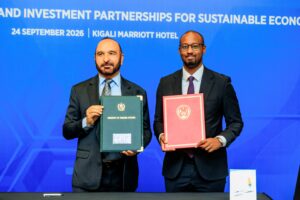
Rwanda and Oman have signed eight agreements aimed at expanding bilateral cooperation, with trade, investment and economic development at the centre of the new commitments.
The 2026-27 football season is underway, with domestic leagues already in action across Europe and Rwanda's football partners beginning their campaigns.
The Rwanda Bar Association has appointed Umuhoza Barbara as its new Secretary General, while William Niyongabo has been named Chief Operating Officer (COO).
Rwandan President Paul Kagame held talks with Oman’s Sultan Haitham bin Tariq Al Said on strengthening bilateral relations and expanding cooperation between the two countries.
Subscribe to our mailing list to receives daily updates to your inbox!