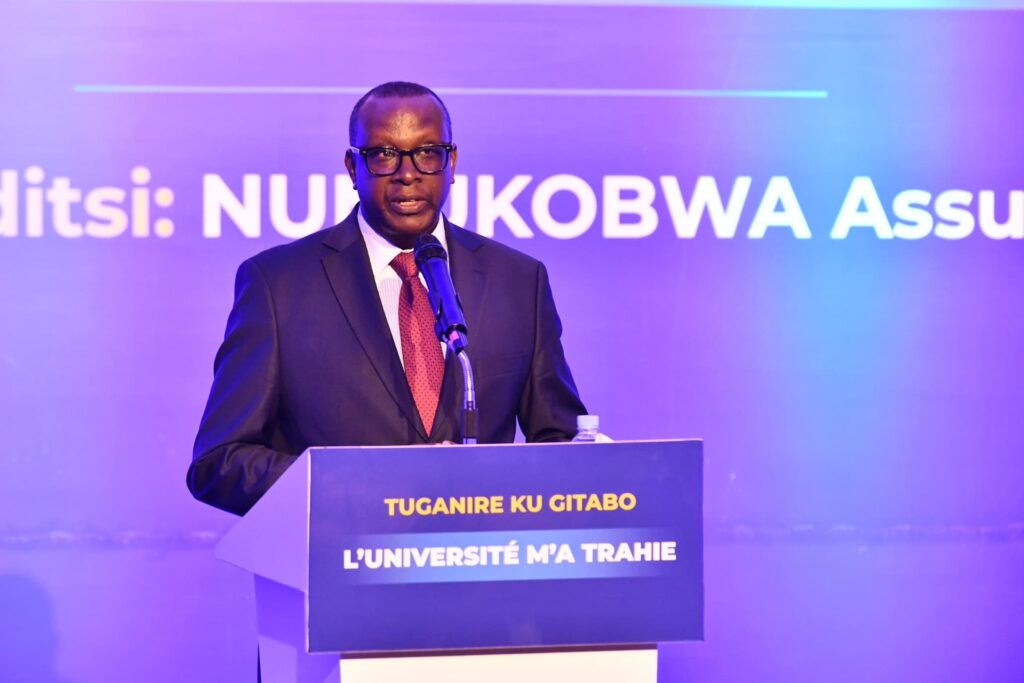
The Minister of National Unity and Civic Engagement, Damascène Bizimana, has called on young Rwandans to take the lead in documenting the country’s history, describing youth-led writing as a strategic front in confronting genocide denial and historical distortion.
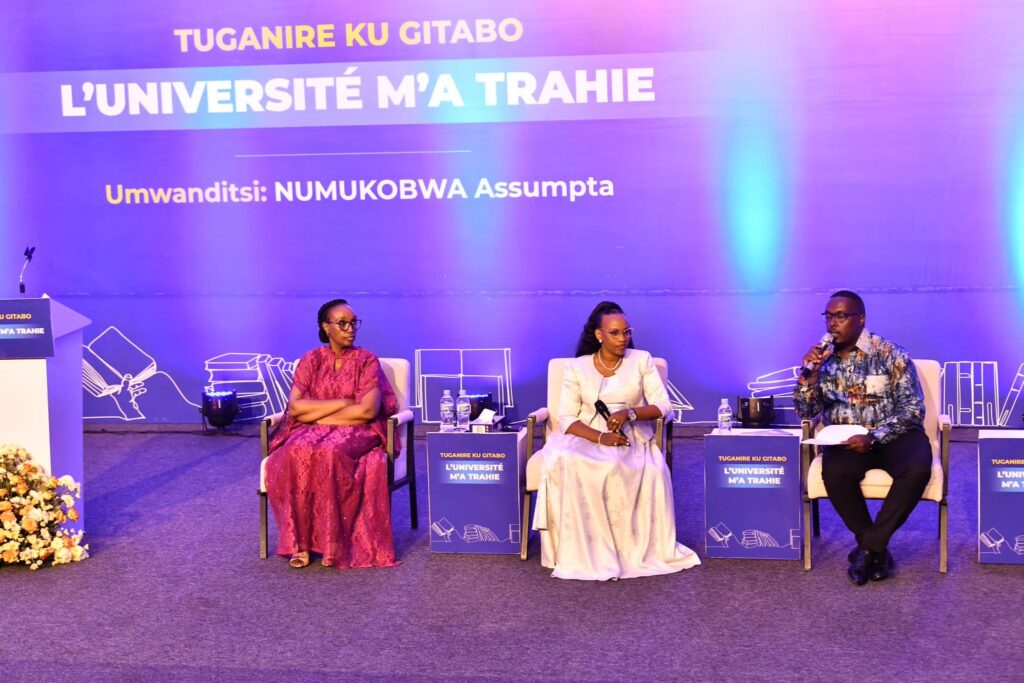
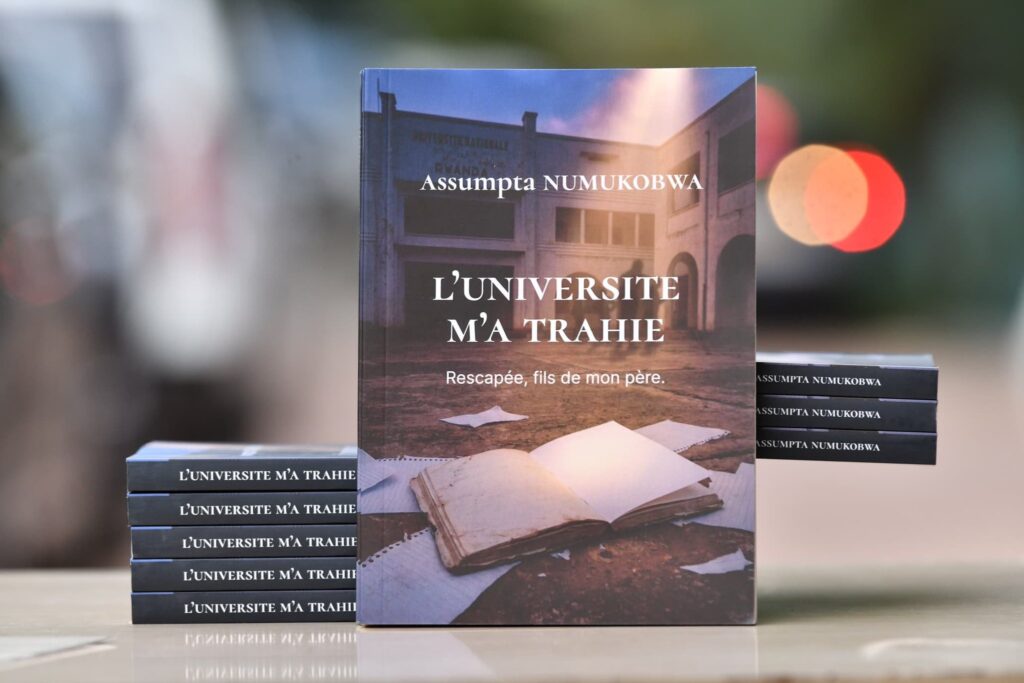
He made the call during the launch of L’Université m’a trahie (“The University Betrayed Me”), authored by Numukobwa Assumpta. The book chronicles the killings of students, lecturers and staff at the former National University of Rwanda during the 1994 Genocide against the Tutsi.
‘Genocide was planned, not accidental’
Dr Bizimana said the massacres at the university and elsewhere were neither accidental nor spontaneous, but the result of systematic planning and the long-term spread of genocidal ideology, including within academic institutions.
He pointed to policies under former President Grégoire Kayibanda, who in 1972 established “Comités de Salut” that expelled Tutsi students from secondary schools and universities. He also referenced a speech delivered on August 1, 1973, by former President Juvénal Habyarimana, which institutionalised ethnic and regional quotas in school and university admissions.
According to the minister, some perpetrators of the Genocide were highly educated but lacked ethical values — a warning, he said, that academic excellence alone is insufficient without a foundation of integrity and civic responsibility.
“Let us write our history based on truth,” Dr Bizimana urged. “Those who seek to distort it are organised and rely on falsehoods. We must confront them with facts.”
Youth urged to write evidence-based history
He commended Numukobwa for documenting testimony-backed accounts and encouraged other young writers to follow suit by producing evidence-based narratives grounded in verified facts.
Dr Bizimana also praised children of individuals who took part in the Genocide against the Tutsi but have since rejected inherited hatred and chosen reconciliation, describing them as examples for others.
A dream cut short
In her remarks, Numukobwa recounted joining the National University of Rwanda in October 1993 to pursue medical studies, filled with optimism about her future. Six months later, that dream was shattered as violence escalated toward the Genocide.
“We were living through the preparations for genocide until it reached its peak. Students were killed, and we too were taken away. My university life ended there,” she said.
Through her book, particularly a chapter titled “Our Youth Was Cut Short”, she calls on today’s young generation to uphold love, unity and strong values, warning against any ideology that could reignite division.
“They are growing up in a beautiful country,” she said. “They must play their part in safeguarding the progress achieved.”
The book launch served as both a remembrance of lives lost and a renewed appeal for youth engagement in preserving Rwanda’s historical truth.