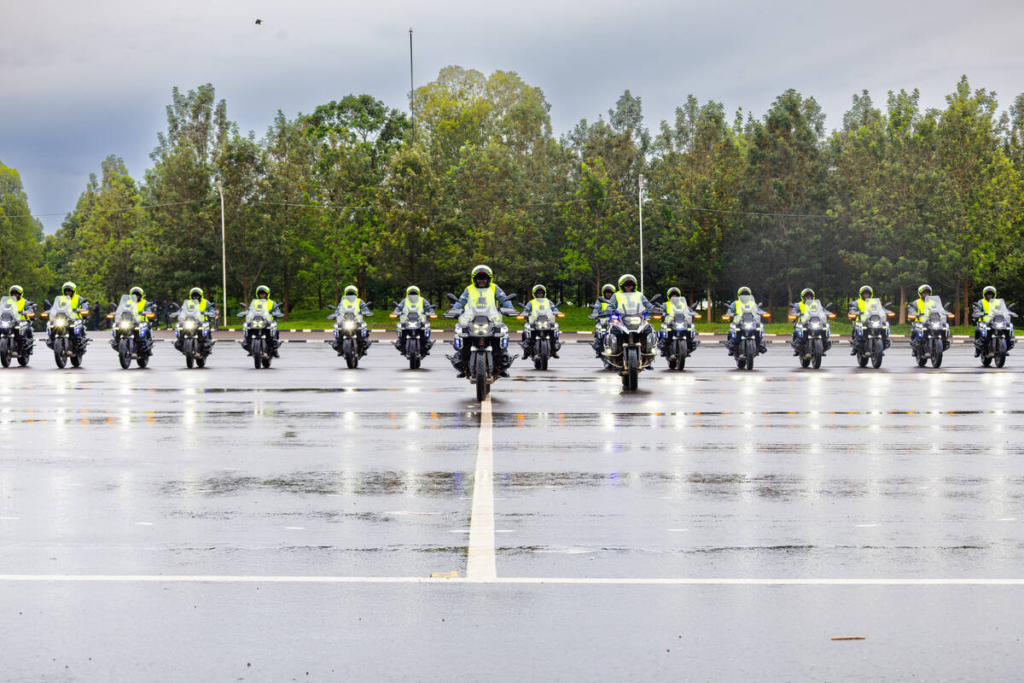
The Rwanda National Police has marked its 25th anniversary, highlighting a remarkable transformation from traditional, manual policing methods to a modern, technology-driven security institution increasingly powered by drones, artificial intelligence, and advanced surveillance systems.
The milestone reflects a major institutional journey that began in 2000, when Rwanda merged three separate pre- and post-genocide security structures into a single professional police force designed to enhance coordination, efficiency, and national security.
Over the past two and a half decades, the institution has expanded its operational capacity, training infrastructure, and technological capabilities, positioning itself as a key player not only in domestic security but also in international peacekeeping missions.
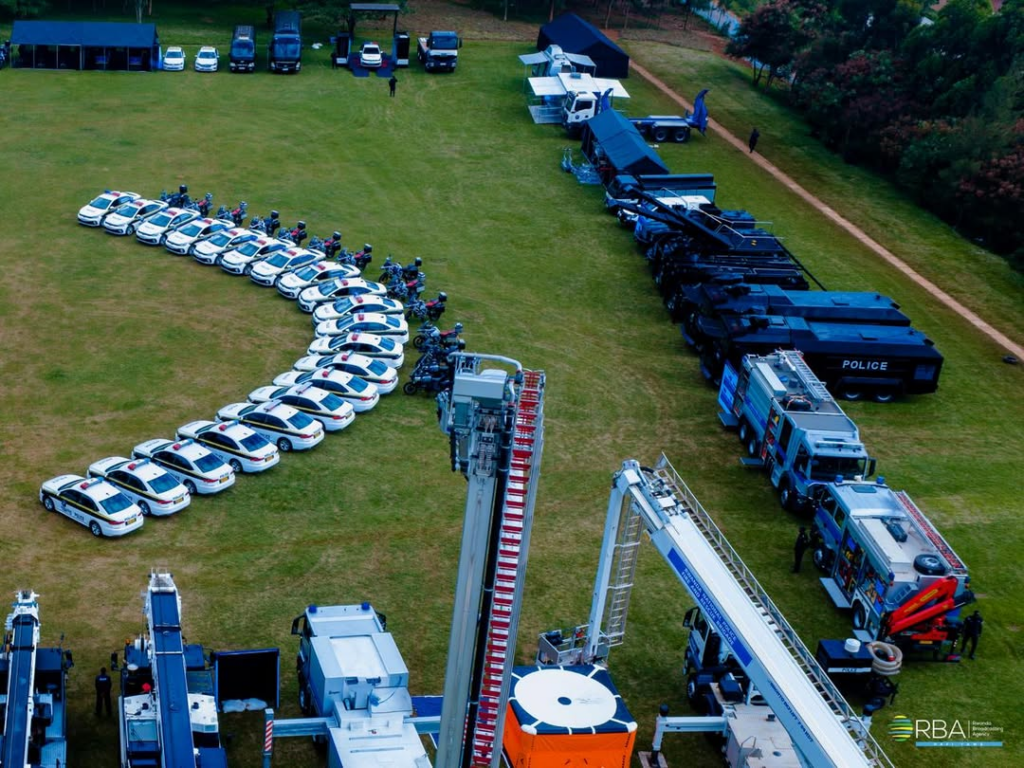
Today, the Rwanda National Police operates specialised units across the country, including traffic and road safety enforcement, fire and rescue services, maritime policing, public order management, cybersecurity, and intelligence-driven operations.
The force has also invested heavily in modern training institutions such as the Gishari Police Training School, the Counter-Terrorism Training Centre in Mayange, and the National Police College in Musanze, which continue to shape a professional and skilled workforce.
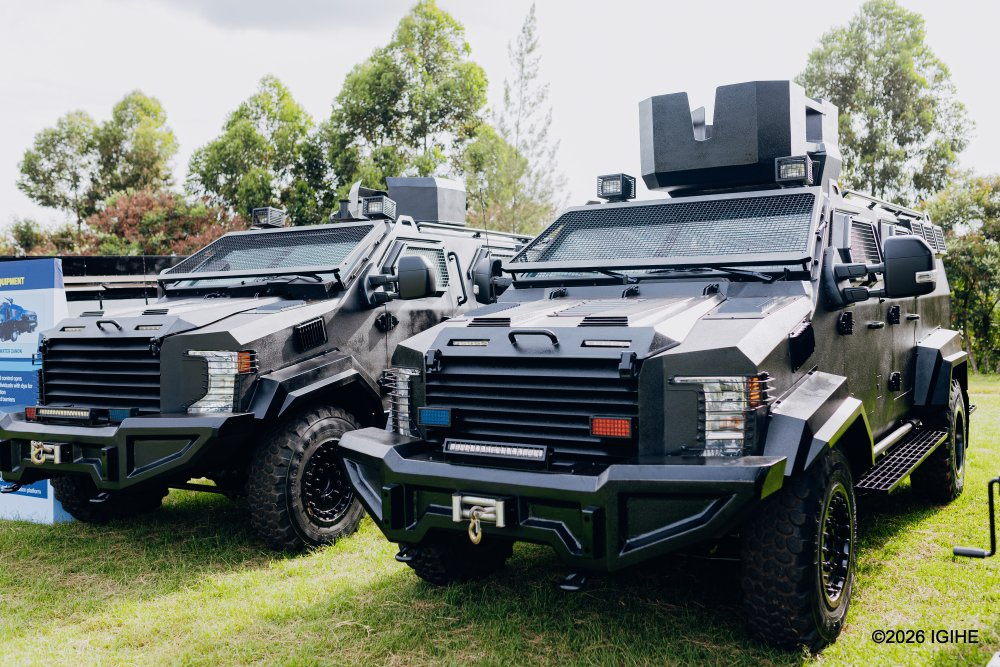
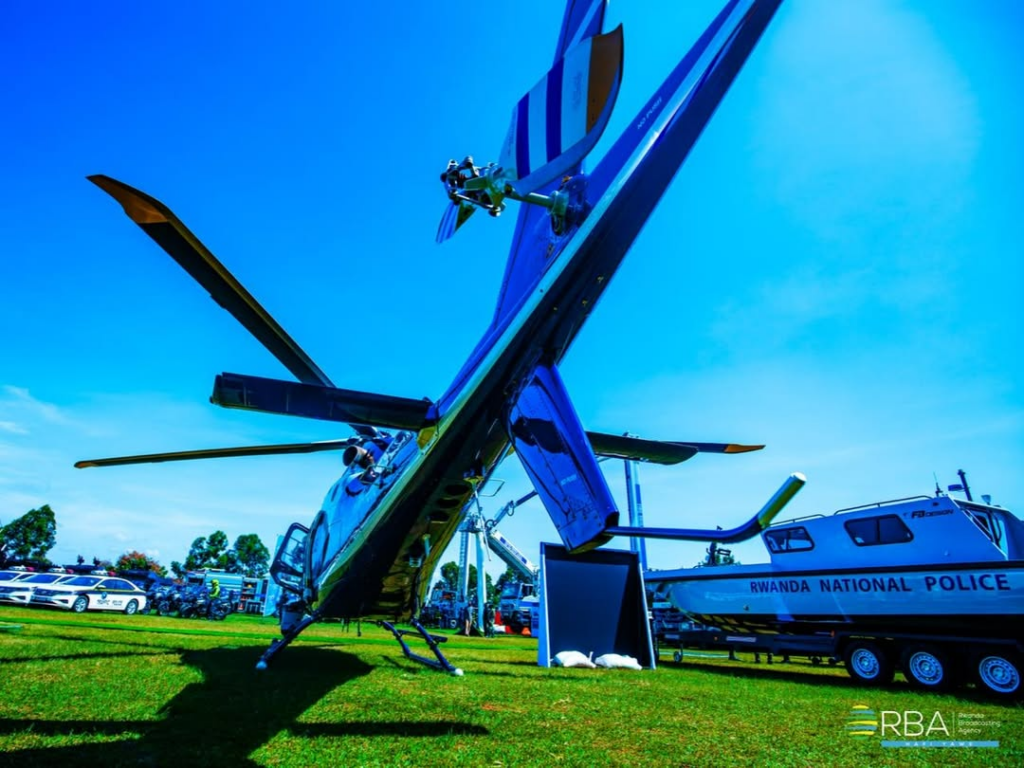
Technological advancement has become a defining feature of the institution’s operations. The police now deploy drones for surveillance and rapid response, helicopters for aerial monitoring, and advanced communication systems to coordinate security operations in real time.
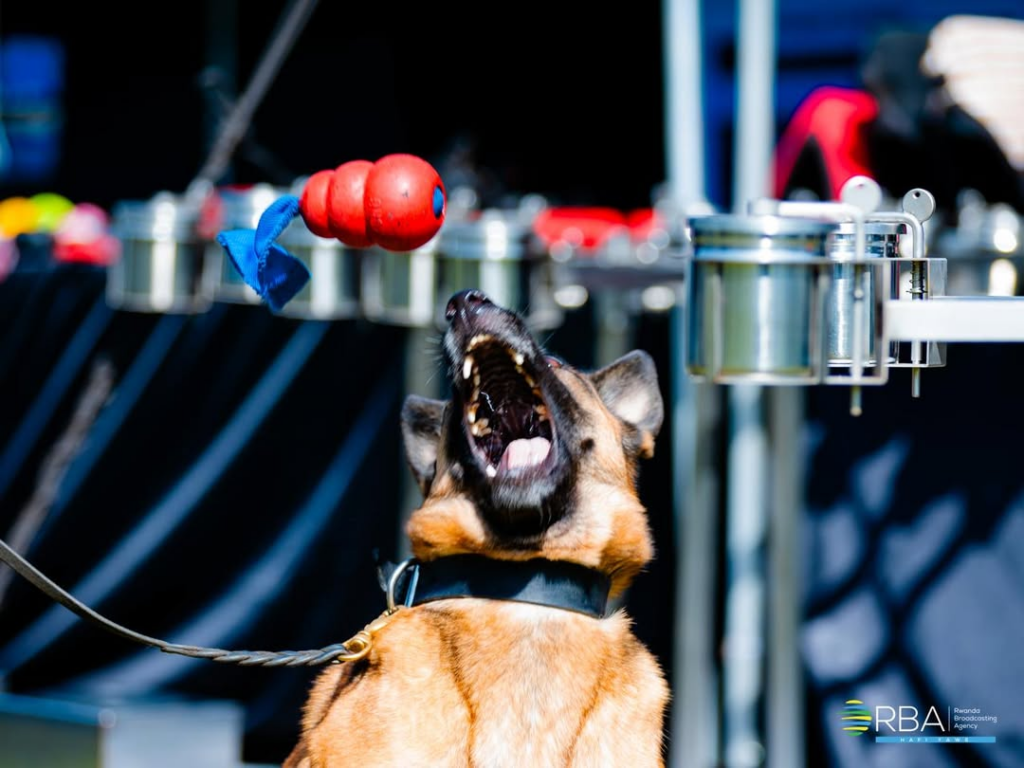
Specialised units have also been strengthened, including explosive ordnance disposal teams, canine units trained for detecting explosives and narcotics, and fire and rescue teams equipped to respond to emergencies in high-rise buildings.
Traffic policing remains one of the most visible units, supported by modern patrol vehicles, motorcycles, speed detection systems, and aerial monitoring tools aimed at improving road safety and reducing accidents.
Speaking during the anniversary celebrations, Inspector General of Police CG Felix Namuhoranye said modern policing must continuously evolve in response to increasingly sophisticated and technology-driven crimes.
He noted that criminal activity is no longer confined to physical spaces, warning that offenders now use digital systems and remote methods that require intelligence-led and tech-enabled policing strategies.
“Policing today must rely on advanced tools, including artificial intelligence and integrated digital systems, because the nature of crime has changed,” he said.
President Paul Kagame, who also addressed the event, commended the progress made over the past 25 years, describing it as a foundation for further strengthening professionalism, discipline, and service delivery.
He urged officers to uphold humility and integrity, stressing that public trust remains central to effective policing and national security.
As Rwanda National Police enters its next phase, leadership says the focus will remain on innovation, regional cooperation, and strengthening capabilities to respond to emerging security threats in an increasingly digital world.