Kigali has witnessed a remarkable transformation in urban transport over the past six years, moving from overcrowded minibuses to modern electric buses, as the city works to reduce congestion, improve mobility, and embrace cleaner technologies.
The shift began in 2019, when Rwakazina Marie Chantal, then Mayor of Kigali, was appointed Rwanda’s ambassador to Switzerland.
She left in charge Busabizwa Parfait, the city’s deputy mayor in charge of economic development, with a mandate to address the longstanding challenges in public transport.
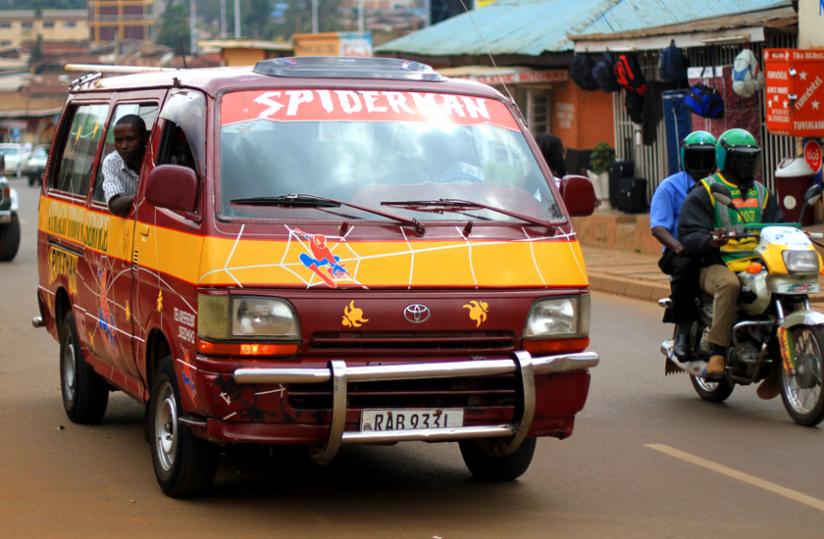
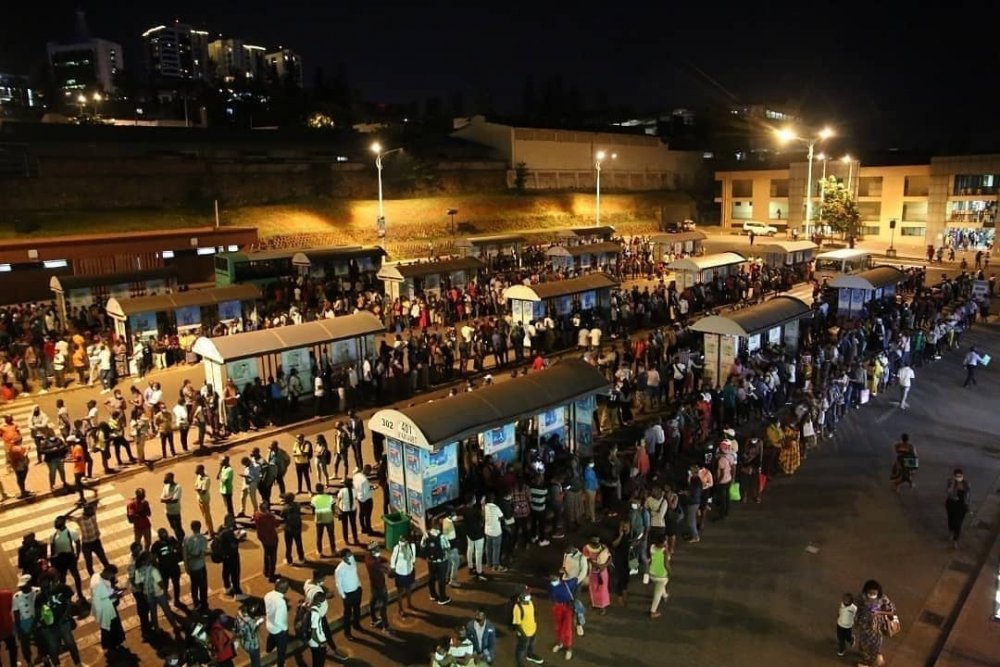
At the time, Kigali had recently begun phasing out the infamous “Twegerane” minibuses, which carried around 18 passengers each and were notorious for overcrowding.
Large buses were introduced to provide more comfortable rides, though commuters jokingly referred to them as “shira umuteto” because of the high passenger loads.
The transition aligned with the Kigali Transport Master Plan, launched by the government through RURA in 2013.
Cooperatives and three transport companies—Kigali Bus Services (KBS), Royal Express, and RFTC—were assigned zones across the city to operate larger buses, aiming to reduce congestion and streamline schedules.
Despite these efforts, public transport challenges persisted. Commuters often waited long periods for buses, and drivers sometimes delayed departures until buses were full, creating inefficiencies.
In February 2023, during the 18th National Dialogue, the government pledged to add more than 300 public transport vehicles to Kigali streets.
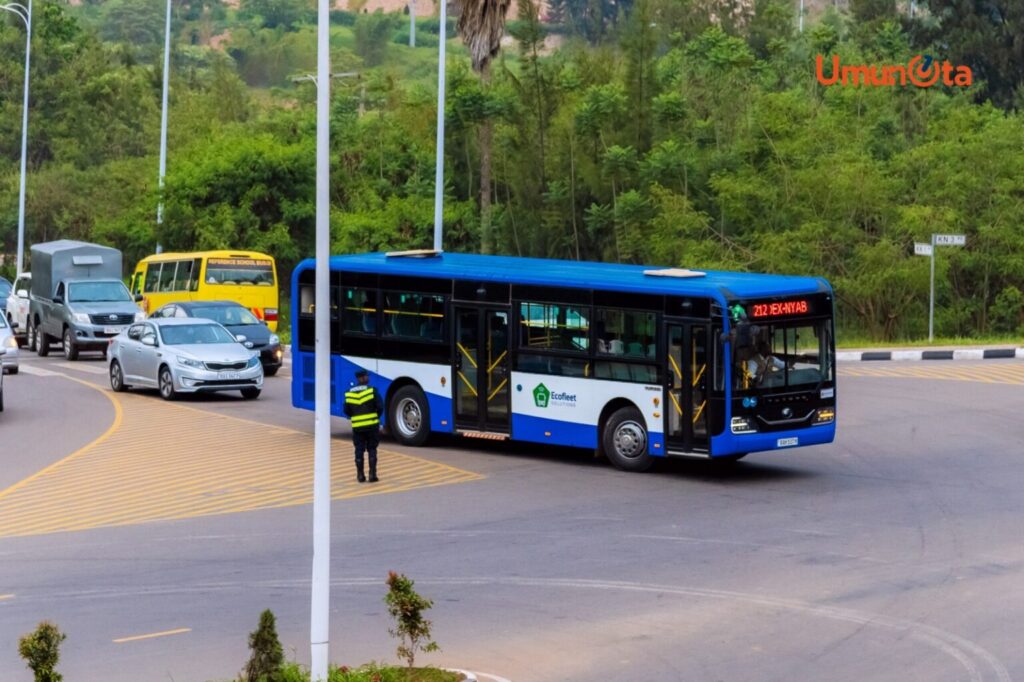
Transport companies acquired about 200 buses with government support, and many of these are now electric, reflecting Rwanda’s commitment to reducing emissions and promoting sustainable urban mobility.
Today, buses leave terminals every 10 minutes across multiple routes, significantly improving reliability and convenience for commuters.
Motorcycle taxis get a modern overhaul
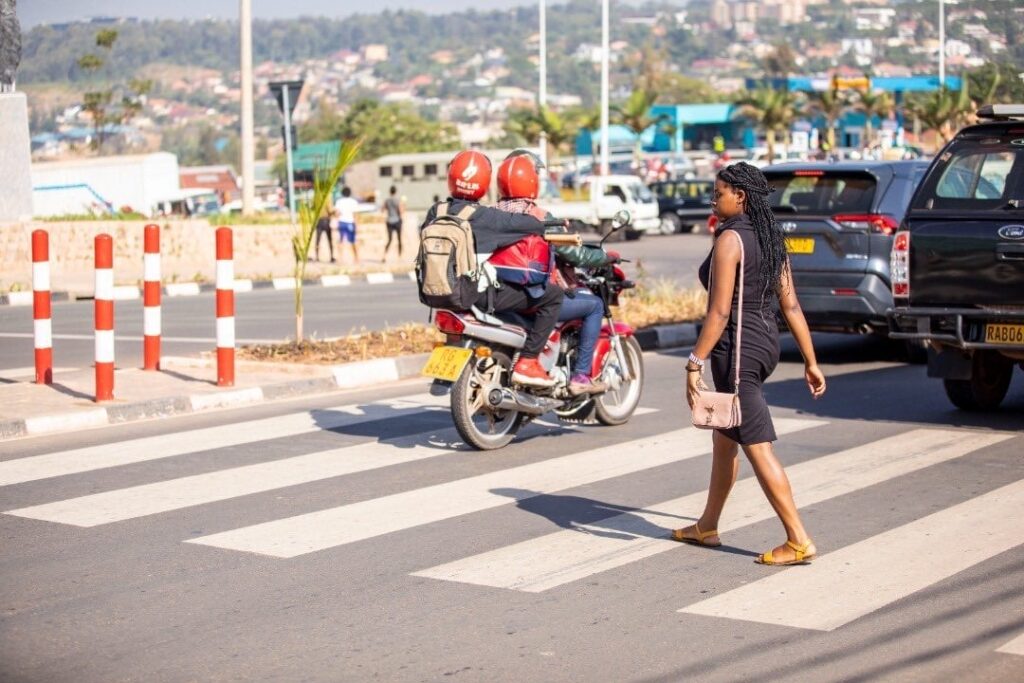
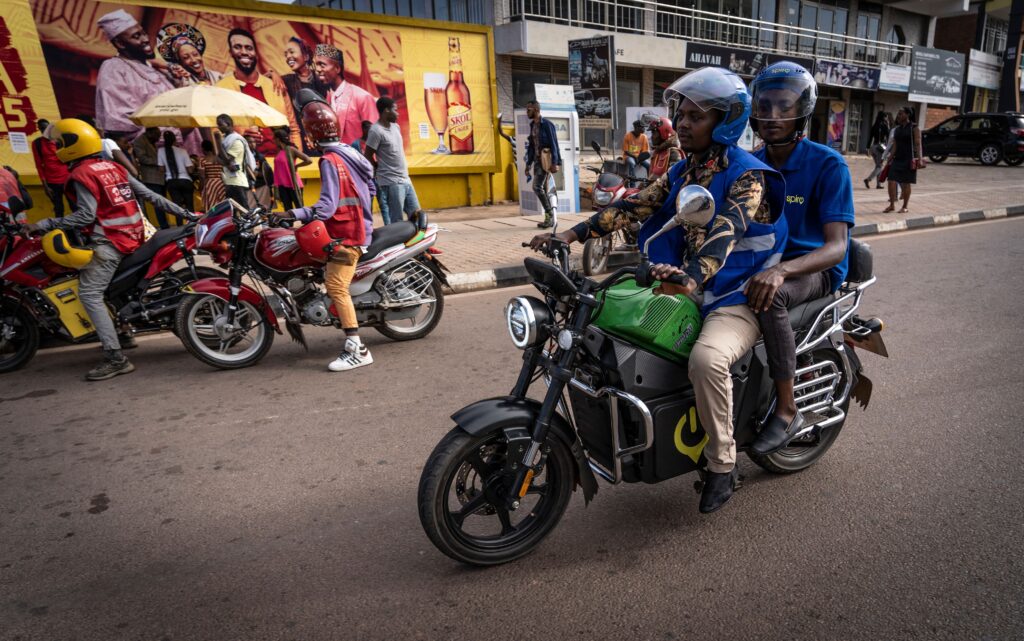
Motorcycle taxis, a key mode of transport in Kigali, were also restructured. In June 2023, city authorities, RURA, and the Rwanda National Police met with motorcycle taxi cooperatives to implement reforms. The number of cooperatives was reduced from 41 to five, and drivers received standardized uniforms.
Since then, the sector has seen significant improvements, and a transition toward electric motorcycles is underway. By late 2024, Rwanda announced that no new gasoline-powered motorcycles would be registered for passenger transport in Kigali, supporting the shift to cleaner energy.
Companies such as Spiro and Ampersand, which operate thousands of electric motorcycles across Africa, have established charging stations throughout the city. By March 2024, Rwanda had over 4,800 electric motorcycles in operation.
Electric taxis and smart transport solutions
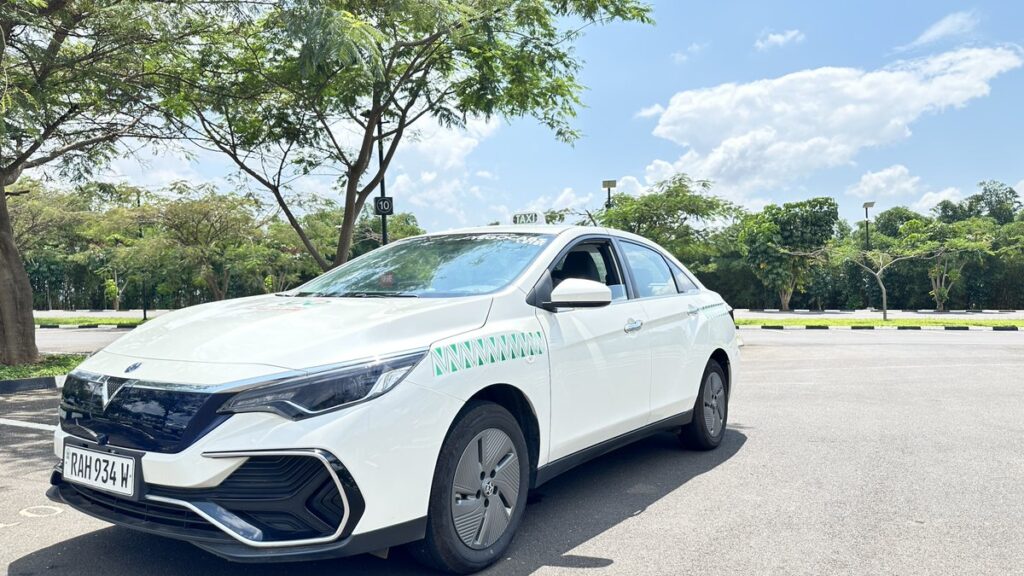
Since August 2020, taxi vehicles have adopted smart technology, using apps to calculate fares based on distance traveled. This innovation has increased transparency and prevented overcharging. More recently, taxi operators have begun introducing electric vehicles, in line with Rwanda’s goal of reducing pollution and modernizing urban transport.
Infrastructure upgrades reshape Kigali
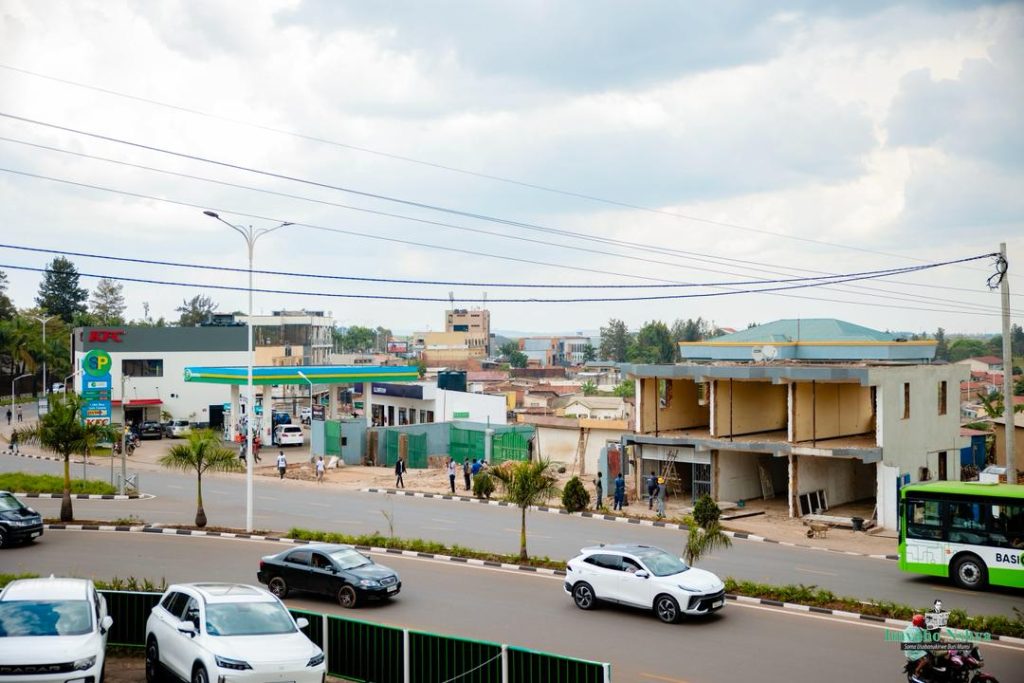
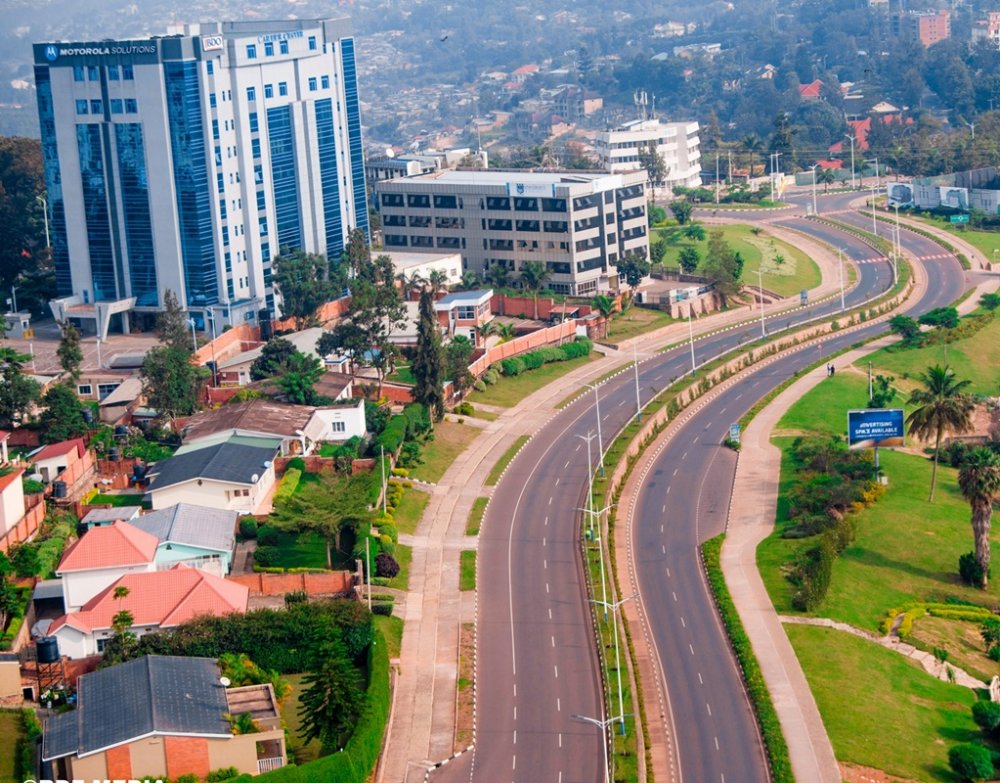
Kigali’s road network has also been transformed over the past six years, with more than 100 kilometers of new roads built annually. Major thoroughfares have been constructed and rehabilitated to reduce congestion and improve connectivity.
The Ministry of Infrastructure (MININFRA) has announced plans to build elevated pedestrian roads in high-traffic areas, including Nyabugogo and Nyanza in Kicukiro District.
The city is also undertaking a 140 billion Rwandan franc project to modernize three major road junctions—Gishushu, Chez Lando, and Sonatubes—and construction of the Prince House Masaka road is set to begin this month. Future projects include cable cars to further ease congestion and improve urban mobility.
Kigali’s transport transformation over the past six years highlights a strategic shift toward efficient, sustainable, and technologically advanced urban mobility, offering residents faster, safer, and cleaner ways to navigate the city.