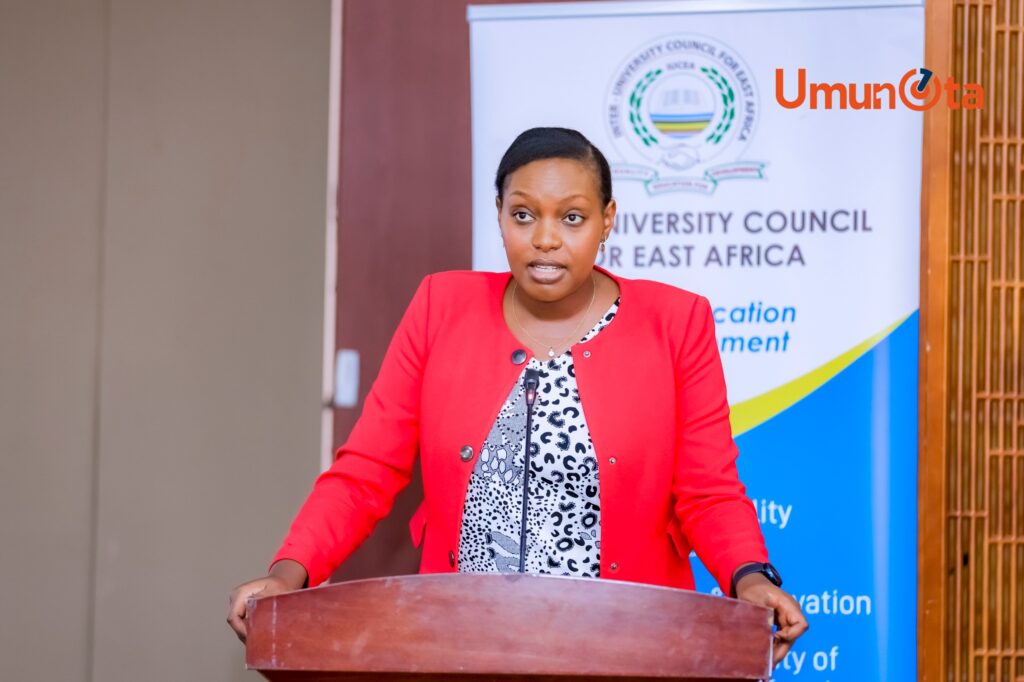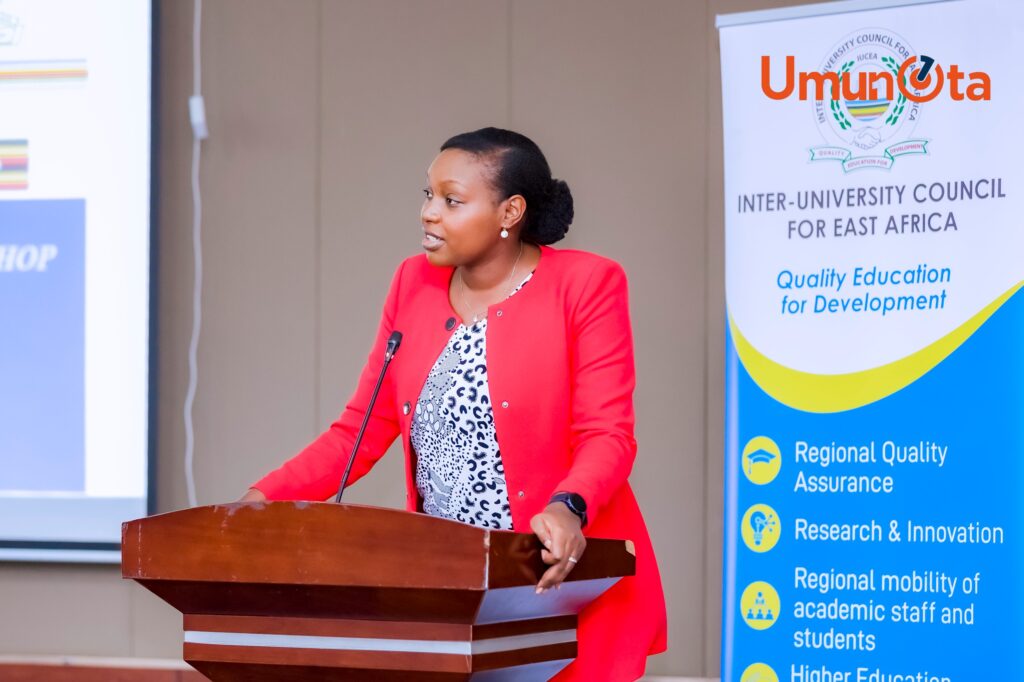
Dr. Irere Claudette, Minister of State for Education , has underscored the critical role of higher education in driving regional development and integration within the East African Community (EAC). She stressed that universities and colleges should serve as the foundation for skills development, economic growth, and regional unity.
Her remarks came on Monday, March 9, 2026, during the opening of a forum organized by the Inter-University Council for East Africa (IUCEA), aimed at strengthening collaboration among universities and aligning higher education programs across the region.
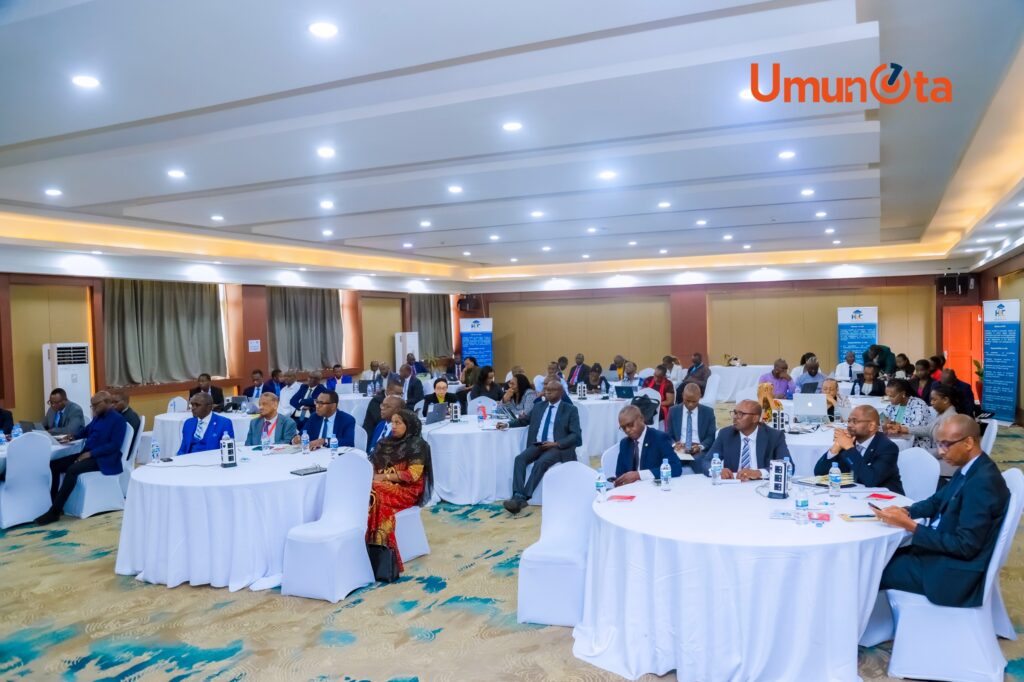
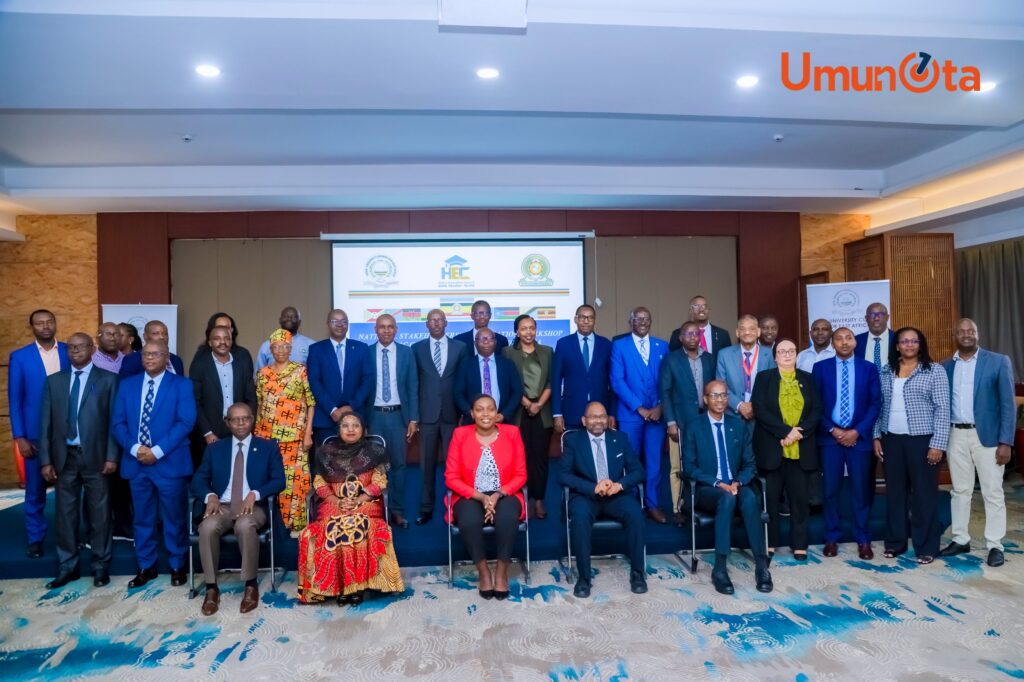
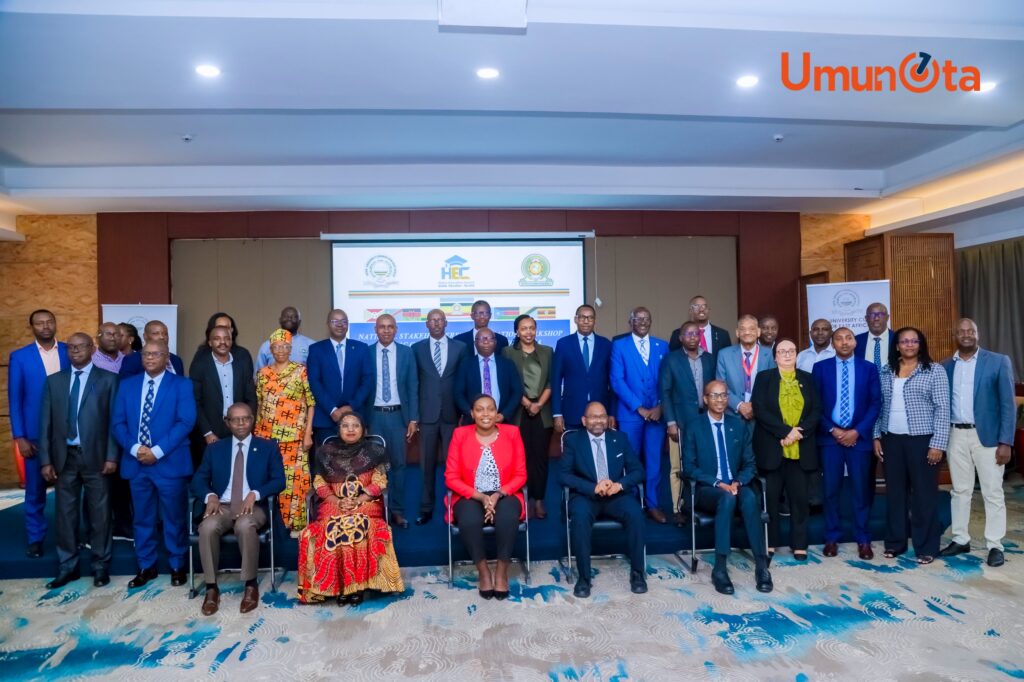
The forum brought together 65 participants, including ministry officials, university leaders, quality assurance authorities, and other education stakeholders from across East Africa.
Dr. Irere emphasized that higher education should not be limited to transferring knowledge but should cultivate a skilled workforce capable of driving social, economic, and technological progress.
“If we want the EAC to achieve true integration, higher education must play a central role. Universities are not just for teaching—they are key to producing professionals who will foster economic growth, social welfare, and technological advancement across our countries,” she said.
She highlighted Rwanda’s commitment to increasing the number of skilled professionals who will contribute to both national and regional development. Dr. Irere also noted reforms in regional higher education, including competency-based learning, flexible study systems, digital integration in learning, and aligning curricula with labor market needs.
A major challenge she identified is the higher tuition fees charged to students from other EAC countries, which could hinder regional access to education. “Education should unite us as citizens of one region, not create barriers,” she said.
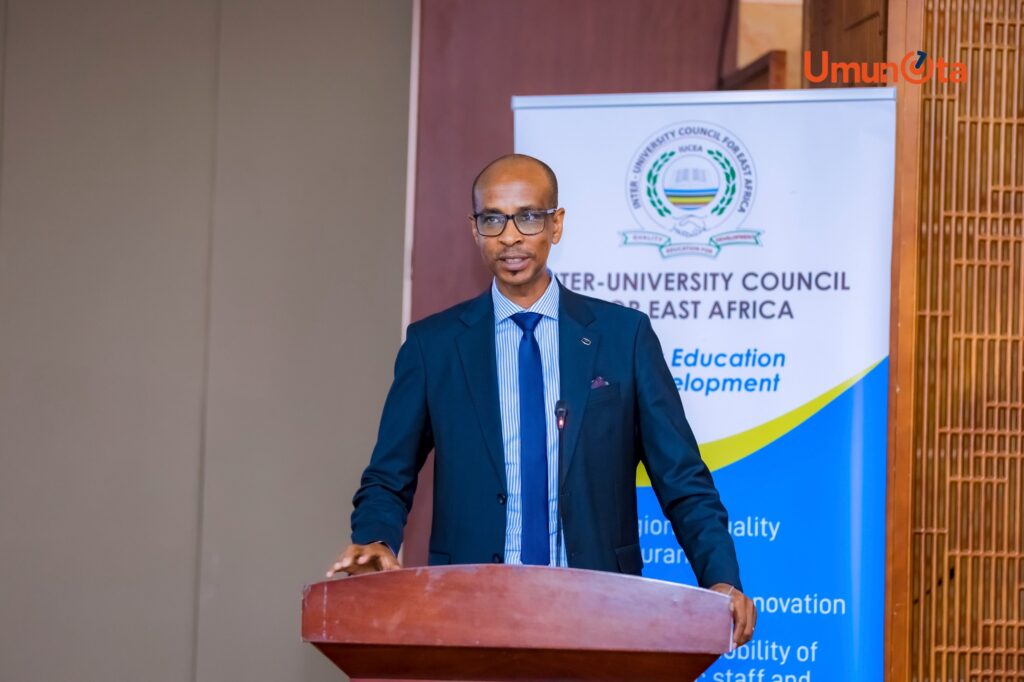
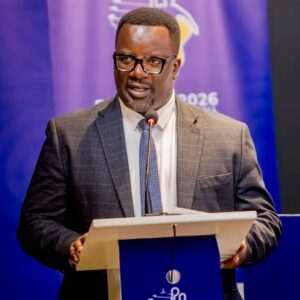
Prof. Idris A. Rai, Acting Executive Secretary of IUCEA, hailed the regional harmonization program as a key step toward strengthening higher education, enhancing university competitiveness, and improving student outcomes across East Africa. He also highlighted the role of emerging technologies, including artificial intelligence, as critical for preparing students and universities for the future.
Dr. Edward Kadozi, CEO of Rwanda’s Higher Education Council (HEC), emphasized IUCEA’s role in promoting university collaboration, enhancing quality assurance, and harmonizing programs across the region. He noted that the forum offered stakeholders a platform to discuss outcomes from the 2025 EAC Education Ministers’ meeting in Kampala and prepare for the next regional meeting in Rwanda in 2027.
Participants concluded that harmonized education programs will produce graduates with advanced skills, innovation capacity, and competitiveness, strengthening both regional and international workforce readiness.
This forum marks a renewed focus on using higher education as a strategic tool to drive development, foster integration, and equip East Africa’s youth for the challenges of the 21st century.