President Paul Kagame has emphasized Rwanda’s commitment to safeguarding its citizens and national borders, drawing lessons from the 1994 Genocide against the Tutsi.
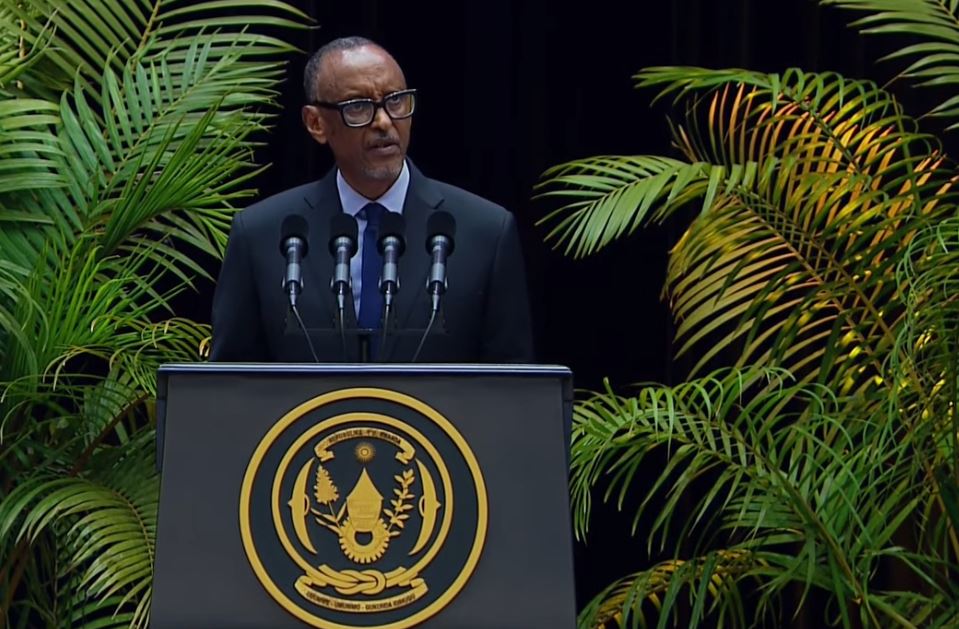
Speaking on Friday evening, March 6, 2026, Kagame met with newly accredited diplomats in Kigali. He stressed that Rwanda’s security policies are guided not by a desire for conflict but by the duty to protect its people and sovereignty.
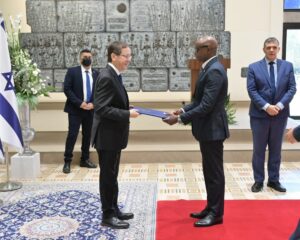
The ceremony welcomed ambassadors including Margaret Gaynor (Ireland), Paloma Serra Robles (Spain), Erika Ylonca Álvarez Rodríguez (Dominican Republic), Pedro León Cortés Ruiz (Colombia), Jeffrey Pullicino Orlando (Malta), Maroš Mitrík (Slovakia), Anouar Ben Youssef (Tunisia), and Katalin Nyirati (Hungary). Diplomats from Mali, Switzerland, the Republic of Congo, and Saudi Arabia were also present.
Kagame praised Rwanda’s post-1994 reconstruction and the role of international cooperation in the country’s progress.
“History teaches us that security is never automatic; it must be actively pursued and protected every day,” he said. “Over the past three decades, Rwanda has implemented firm security measures—not out of a desire for conflict, but out of responsibility to our citizens and borders.”
The president expressed concern about threats in eastern Democratic Republic of the Congo, especially from the Democratic Forces for the Liberation of Rwanda (FDLR), which continues to promote genocidal ideology. He also recalled past attacks on Rwandan territory linked to the 1994 genocide.
Kagame addressed peace efforts in eastern Congo, including agreements signed in Washington, warning that slow implementation undermines stability. He criticized recent United States sanctions on members of the Rwanda Defence Force, accusing them of being biased.
“The application of these measures does not bring peace. It only strengthens those who disrupt it,” he said, underlining Rwanda’s commitment to security and regional stability.