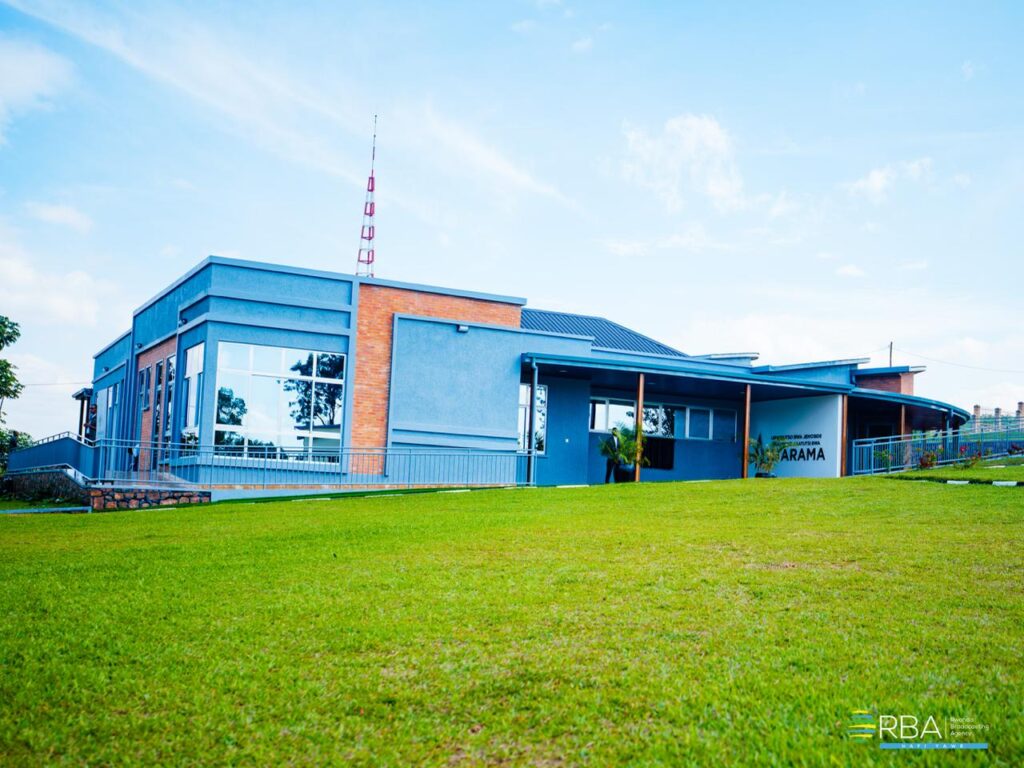
First Lady Mrs. Jeannette Kagame on Saturday inaugurated the Ntarama Genocide Memorial Gallery, a new historical exhibition space established at the Ntarama Genocide Memorial Site in Bugesera District, dedicated to preserving and documenting the history of the 1994 Genocide against the Tutsi.
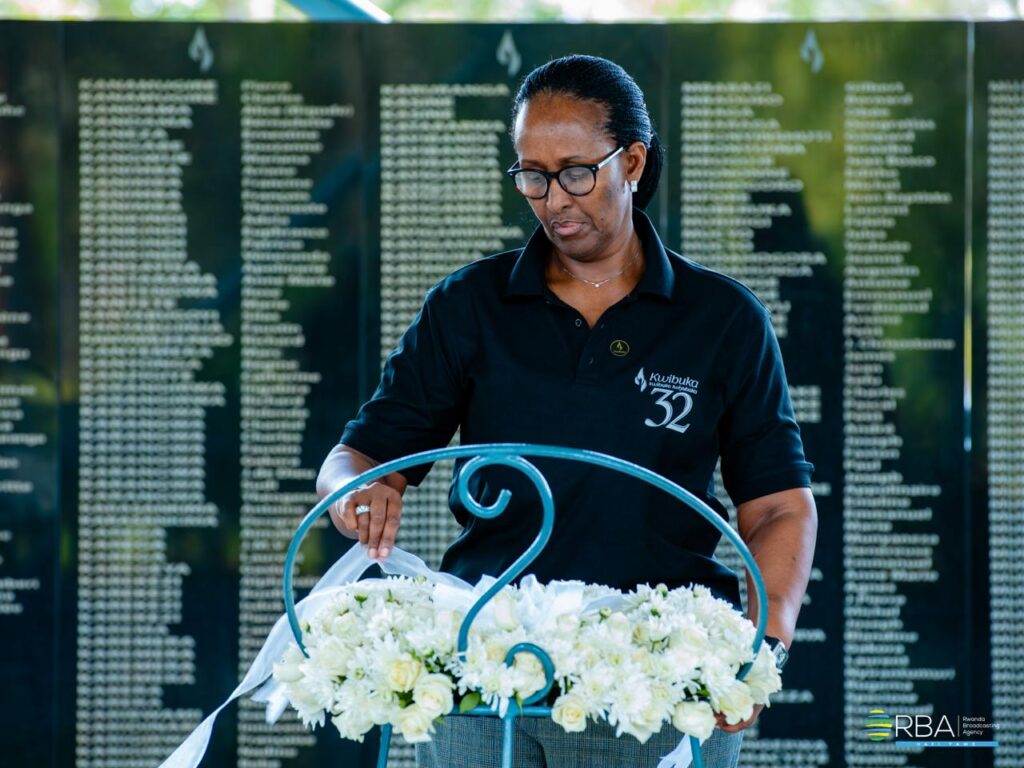
The ceremony, held on May 30, 2026, began with the laying of wreaths and a moment of tribute to more than 5,000 victims of the Genocide against the Tutsi buried at the memorial.
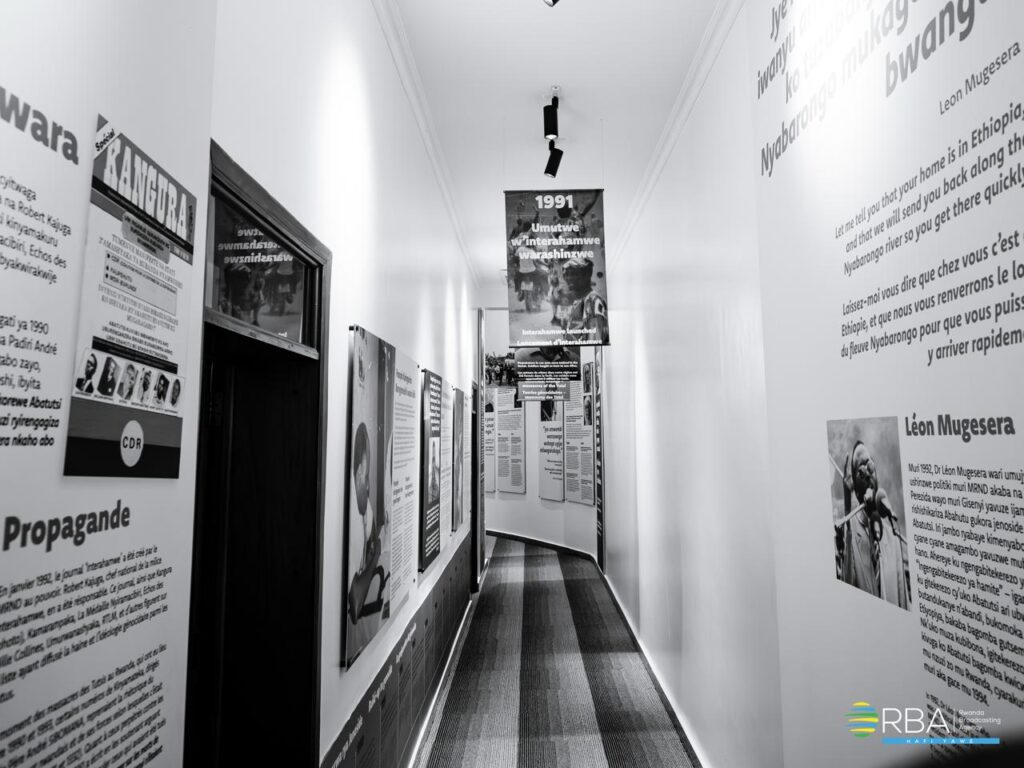
The newly unveiled gallery presents historical exhibits organized into three key sections, illustrating Rwanda’s trajectory before, during, and after the Genocide against the Tutsi.
The first section highlights pre-colonial Rwanda, emphasizing a society characterized by unity, solidarity, and social cohesion, where communities lived in harmony and supported one another.
The second section details the colonial period, showing how divisive policies introduced under Belgian rule contributed to social fragmentation through identity-based divisions that undermined national unity.
A third section documents the planning and execution of the Genocide against the Tutsi, tracing developments from 1959 to 1994, and showing how long-term preparations culminated in the 1994 atrocities.
The gallery also presents the history of the Genocide in Bugesera, one of the areas where early waves of persecution and killings of Tutsi were recorded, before highlighting the halt of the Genocide and Rwanda’s subsequent recovery and reconstruction journey.
The Ntarama Genocide Memorial Site becomes the third in the country to host a Genocide History Gallery, following similar installations at the Kigali Genocide Memorial in Gisozi and Murambi Genocide Memorial in Nyamagabe District.
The Ministry of National Unity and Civic Engagement (MINUBUMWE) says similar history galleries are being developed at eight national genocide memorial sites, starting with Nyange Genocide Memorial, as part of efforts to strengthen historical preservation and education.