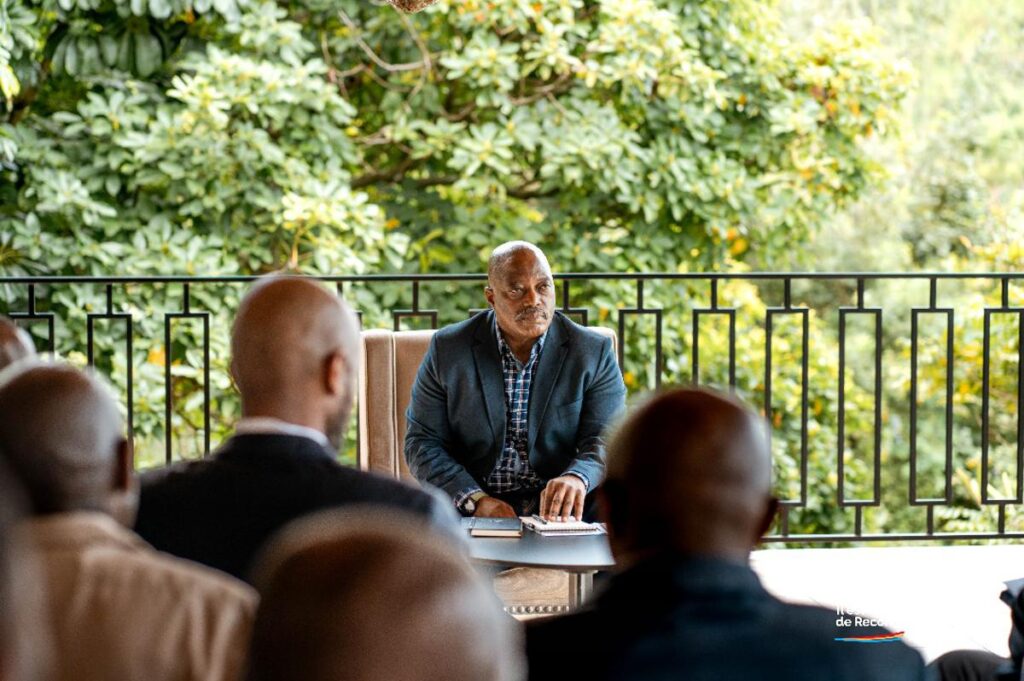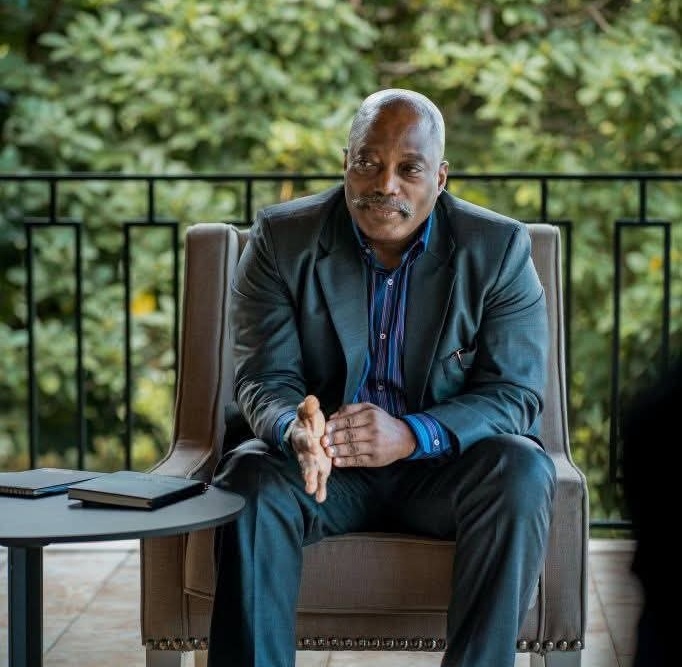
Former President of the Democratic Republic of Congo, Joseph Kabila, has voiced serious concerns about the country’s future, warning that ongoing political and security challenges could push the nation toward collapse.
In an interview with La Libre Belgique on March 20, 2026, from his home in Goma, Kabila reflected on the state of the DRC, a city recently struck by a drone attack that killed three people, including a French UNICEF worker. He indicated that investigations are ongoing but noted that both he and local communities continue to face security threats.
Kabila, who led the DRC from 2001 to 2019 and was succeeded by Félix Tshisekedi, criticized current leadership for failing to prioritize dialogue and constructive governance. He said that while the country once chose a path of negotiation and peace over conflict, today’s authorities have allowed tensions and mistrust to grow, undermining stability.
Rejecting calls for division or balkanization, Kabila warned that the DRC could experience a collapse reminiscent of Sudan’s breakup, a phenomenon he described as “Sudanisation.” He highlighted parallels between ongoing conflicts in eastern regions and the factors that led to Sudan’s fragmentation, emphasizing that without decisive action, the country risks reaching a similar point of instability.
Kabila also criticized poor governance and disregard for the constitution, linking these shortcomings to ongoing insecurity, political polarization, and societal divisions. He stressed that the country’s leaders must act responsibly to prevent crises beyond the state’s capacity to manage.
Reflecting on his own tenure, Kabila recalled the difficult decisions made in 2001 during a period of armed conflict, noting that prioritizing peace and dialogue allowed the country to achieve relative stability and lay the foundation for subsequent agreements.