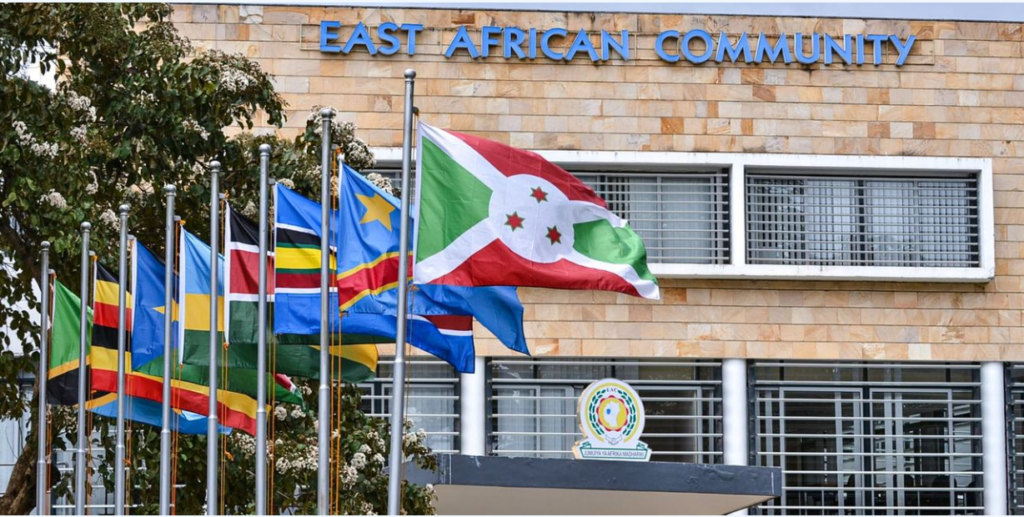
Analysts tracking the performance of the East African Community (EAC) warn that the bloc risks stagnation as some partner states fail to meet their obligations and continue to impose barriers to intra-regional trade.
For years, member states have held discussions aimed at deepening integration and easing cross-border commerce. However, despite incremental bilateral arrangements among certain countries, full trade facilitation across the bloc remains elusive.
Trade barriers persist despite commitments
Ambassador Fatuma Ndangiza, a Member of the East African Legislative Assembly, says while some countries are making efforts to streamline trade, others remain reluctant.
“In principle, all EAC partner states should trade freely with one another as long as goods meet agreed standards,” she said. “But in practice, there are unnecessary restrictions. For example, if Rwanda wants to export milk as a member state, it should access all EAC markets. Yet sometimes countries cite quality concerns even when standards have been met.”
Observers argue that such non-tariff barriers undermine the spirit of the customs union and common market protocols.
$89 million in unpaid contributions
Beyond trade disputes, the bloc’s financial sustainability is under strain. Member states collectively owe the EAC approximately $89 million in unpaid contributions.
Of the eight member states, four have reportedly gone three years without remitting their dues, while another four have yet to pay their contributions for the current financial year.
Denis Karera, Deputy Chairperson of the EAC Private Sector platform, criticised decision-makers for sidelining the private sector, which he described as the engine of regional economic growth.
“The financial motor of this community is the private sector,” Karera said. “But is it truly supported through strong and consistent policies? Many long-standing issues remain unresolved because the private sector is not adequately prioritised.”
He noted that delays in financial flows have even affected salary payments for some EAC officials, highlighting broader structural challenges.
Questions over broader continental integration
Despite a combined population exceeding 300 million people — 60 per cent of whom are youth — and a collective GDP surpassing $350 billion, intra-EAC trade accounts for only about 15 per cent of total trade volumes.
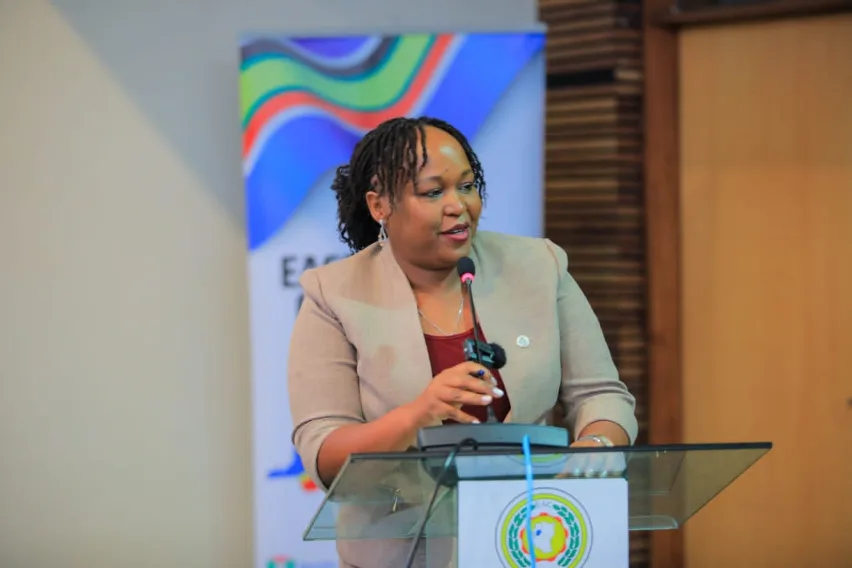
The EAC Secretary General, Veronica Mueni Nduva, questioned how Africa’s wider continental free trade ambitions can succeed when regional integration remains incomplete.
“Often, continental discussions focus on the African common market,” she said. “But if we cannot effectively trade among eight countries, how do we expect it to work among 54?”
She cited recent meetings in Addis Ababa that revisited proposals on easing movement for Africans, including visa-free travel, issues that have been debated repeatedly with limited implementation.
“As long as people cannot move freely across Africa, particularly within East Africa, trade will not grow to its full potential,” she said.
Heads of State summit set for March 7
A summit of EAC Heads of State is scheduled for March 7, 2026, where leaders are expected to review progress made and address persistent obstacles hindering the full implementation of regional decisions.
Stakeholders say the meeting will be a critical test of political will to revive momentum toward deeper economic integration.