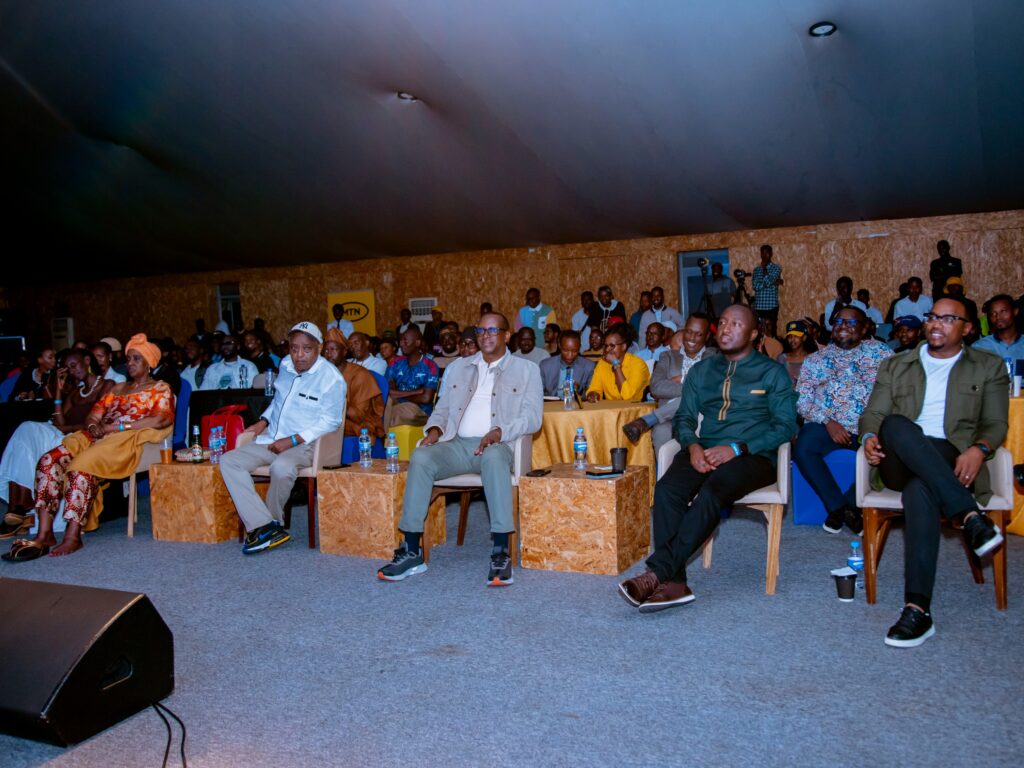
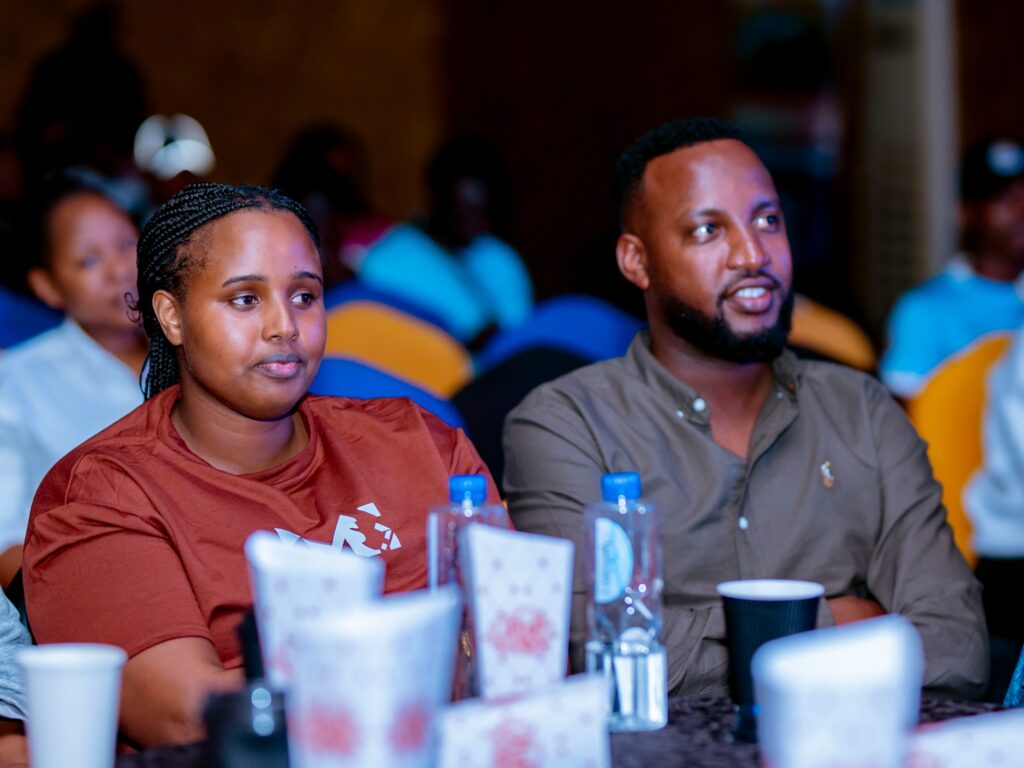
The Minister of National Unity and Civic Engagement, Dr Jean Damascène Bizimana, has cautioned sections of the youth who claim that commemorating the 1994 Genocide against the Tutsi does not concern them, reminding them that remembrance is a permanent responsibility.
He made the remarks on Thursday, March 26, 2026, while addressing young people attending the Gen-Z Comedy Show, where he delivered a message on the importance of remembrance.
Dr Bizimana was responding to a question from a participant who sought his advice on how to address attitudes among some youth who feel disconnected from the commemoration period, with some describing it as irrelevant or uncomfortable.
In his response, the Minister acknowledged that such sentiments exist among a section of the youth, including those expressed on social media, but stressed that the mindset is misguided. He emphasized that remembrance is not merely a ceremonial activity, but a duty.
He noted that some young people argue that discussions about the Genocide should be left to older generations, preferring instead to focus on present-day Rwanda. However, he warned that such views undermine the importance of history.
Citing a common Rwandan saying that “a family that does not remember its past risks losing its identity,” Dr Bizimana explained that remembering history allows societies to preserve positive values while learning from past mistakes in order to avoid repeating them.
He further highlighted that commemorating the Genocide against the Tutsi is a way of restoring dignity to the victims, including children, youth, and parents who were killed solely because of their identity.
According to the Minister, remembering the victims is a moral obligation that extends to all generations, including those born after the Genocide and those yet to be born.
As Rwanda and the international community prepare to mark the 32nd commemoration of the 1994 Genocide against the Tutsi, young people are being urged to actively participate in remembrance activities and to deepen their understanding of the country’s history that led to the tragedy.